








introduction
Many students believe that living a sustainable life is expensive. With less resources and rising of living cost, eco-friendly resources are reachable. Sustainable living does not require high wealth, they only require small cheap habits.
Affordable sustainable habits can be achieved through the following practices.
re-using plastic bags and bottles.
This is achieved by;
- Carrying re-usable water bottles
- Avoid expensive snack packaging materials.
- Using re-usable carrier bags.
small changes reduce daily cost and waste.
Saving energy in homes and hostels.
- Students should train themselves to switch off power when not in use so to reduce electric power and the cost.
- Students should encourage themselves to use natural light during the day. This reduces power wastage.
- Should stop unnecessary electric use.
Lowering power wastage reduces power cost leading to a affordable sustainable life to students.
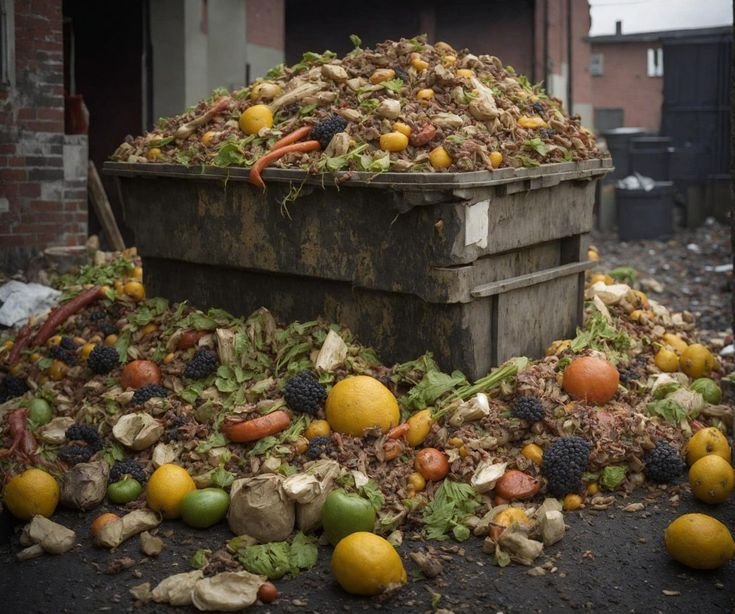
Reducing food wastage
- Students should exercise in buying what they can eat or drink.
- They should practice storing leftovers well.
- They should share excess food with roommates.
Pollution is caused by food wastage hence if the food remains are well disposed, they reduce environmental pollution.
Using affordable means of transport.
If the distance is too short, its best for them to just walk.
Students can also purchase bicycles to use as there means of transport hence to reduce the transport cost. Students should engage in using cheap public matatu’s.
Using digital accessories.
Instead of students purchasing books and exam papers, they can just access them through the internet thus reducing revision reference cost.
Conclusion.
Sustainable living is not all about spending money, it is about making smaller choices. Students have the power to protect the environment through simple daily habits. By embracing eco-friendly practices today, young people can shape the greener and more responsible future.