









In April 2026, a simple roadside moment in Tharaka Nithi County captured the hearts of Kenyans after a young boy named Musa Kihara went viral online with the phrase “Unajua kwa Mbae?” (Do you know Mbae’s place?). The clip — shared originally by a boda boda rider who stopped to help him — showed the […]

Eco-Friendly Homes: Building a Sustainable Living Space
Introduction Homes are an essential part of human life. They provide shelter, comfort, and security for individuals and families. However, homes also consume a significant amount of energy, water, and natural resources. From electricity used for lighting and appliances to water used for cleaning and gardening, everyday household activities contribute to environmental impact. As environmental […]
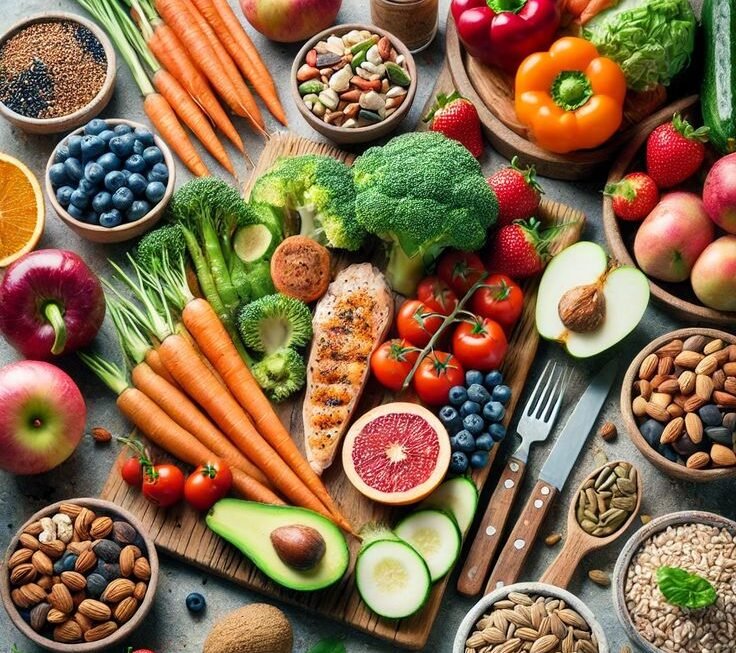
Sustainable Food Choices: Eating for a Healthier Planet
Introduction Food is a basic part of human life. Every day, people around the world make choices about what they eat, how they prepare their meals, and where their food comes from. While food is essential for survival and health, the way it is produced and consumed also has a significant impact on the environment. […]

Eco-Friendly Fashion: How Sustainable Clothing Is Changing the Industry
Introduction Fashion is an important part of everyday life. The clothes people wear often reflect their personality, culture, and lifestyle. However, behind the beauty and creativity of fashion lies a serious environmental challenge. The global fashion industry is one of the largest contributors to pollution, waste, and resource consumption. Fast fashion has made clothing cheaper […]

How Sports Can Promote Environmental Awareness
Introduction Sports have always been a powerful part of human society. From local community games to international competitions, sports bring people together, inspire teamwork, and encourage healthy lifestyles. However, in recent years, sports have also begun to play another important role: promoting environmental awareness. As environmental challenges such as climate change, pollution, and resource depletion […]
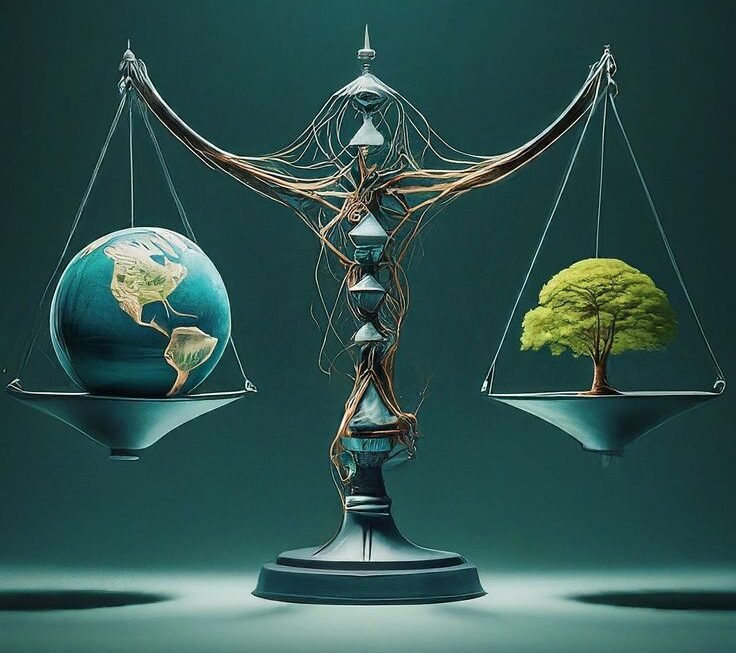
Environmental Policies: How Governments Shape a Sustainable Future
Introduction Environmental protection is no longer only the responsibility of individuals and communities. Governments around the world play a major role in shaping how societies manage natural resources, reduce pollution, and respond to climate change. Through laws, regulations, and public policies, political leaders influence how industries operate, how energy is produced, and how environmental resources […]

Zero-Waste Lifestyle: Minimizing Waste for a Healthier Planet
Introduction Every day, households, businesses, and communities generate tons of waste. From food scraps to packaging, single-use plastics, and discarded clothing, the amount of trash produced continues to grow. Much of this waste ends up in landfills or oceans, creating pollution, harming wildlife, and contributing to climate change. In response, many people are embracing a […]

The Benefits of Solar Energy for Sustainable Living
Introduction As the world faces increasing environmental challenges, including climate change and rising energy demands, the search for sustainable energy solutions has become critical. One of the most promising alternatives is solar energy, which harnesses the power of the sun to generate electricity and heat. Unlike fossil fuels, solar energy is clean, renewable, and widely […]

Protecting Urban Green Spaces: Why Parks and Trees Matter in Cities
Introduction Cities are often known for their busy streets, tall buildings, and fast-paced lifestyles. As urban populations continue to grow, more land is developed for housing, businesses, roads, and other infrastructure. While this development supports economic growth and modernization, it can also reduce the amount of natural green space available in cities. Urban green spaces—such […]
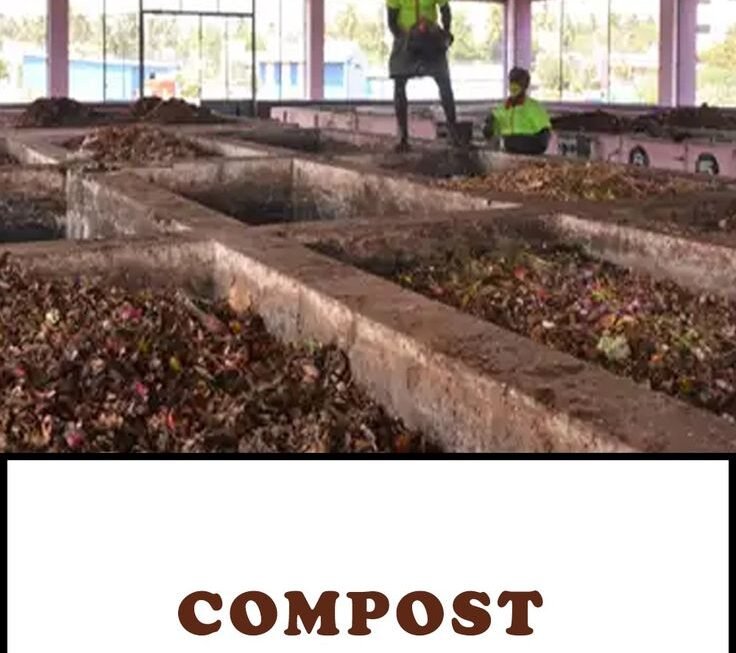
Composting at Home: Turning Kitchen Waste into Natural Fertilizer
Introduction Every day, households produce a significant amount of waste from cooking and food preparation. Fruit peels, vegetable scraps, eggshells, coffee grounds, and leftover food are often thrown away and sent to landfills. While this may seem harmless, organic waste contributes greatly to environmental problems when it accumulates in landfills. When food waste decomposes in […]