









4
🇺🇸 Introduction — How UFC Became a U.S. Sporting Phenomenon
The Ultimate Fighting Championship (UFC) isn’t just another combat sports brand — it’s a cultural powerhouse in the United States and a major catalyst for the global popularity of mixed martial arts. From its humble and controversial beginnings in 1993 to today’s multi-billion-dollar global media empire, the UFC has reshaped American sports entertainment and redefined what a combat sport can be.
🏁 From Early Controversy to Mainstream Success
The UFC was originally conceived as an event to determine which martial arts discipline was most effective in real-world fighting situations. The first event, UFC 1, took place on November 12, 1993, in Denver, Colorado, featuring fighters from various styles — from wrestling to boxing and jiu-jitsu — competing with very few rules.
Because of this “anything goes” format, early UFC events were heavily criticized in the U.S. Some politicians and commentators even called them “human cockfighting.” But the sport’s raw appeal and the excitement of unpredictable matchups quickly drew attention, especially among younger fans.
📈 Turning Point — Regulation and Growth
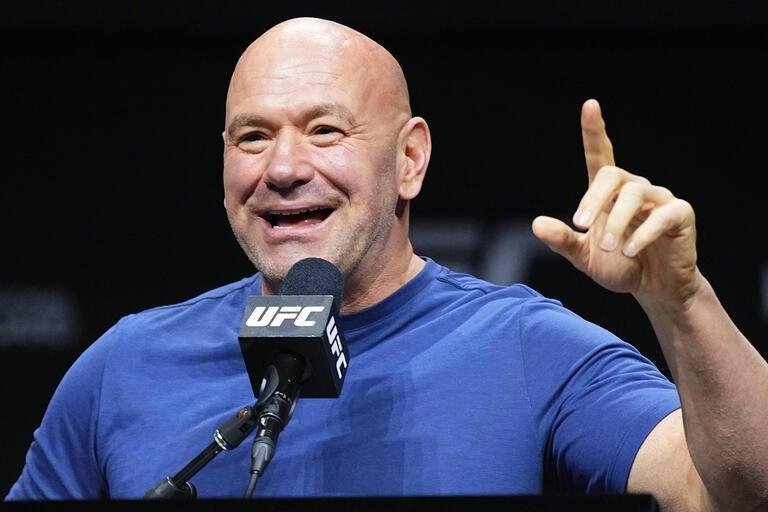
In the late 1990s and early 2000s, the UFC underwent a major transformation. Under new owners Lorenzo and Frank Fertitta and with Dana White as president, the organization worked with athletic commissions in the United States to introduce standardized rules, weight classes, and safety protocols. This legitimized the sport and helped UFC events begin broadcasting on cable TV and pay-per-view platforms, expanding its reach dramatically.
This period marked the transition from niche spectacle to regulated sport — a change that brought in sponsors, mainstream media coverage, and increased acceptance in the USA.
🥇 Rise of Modern Stars and Pay-Per-View Boom
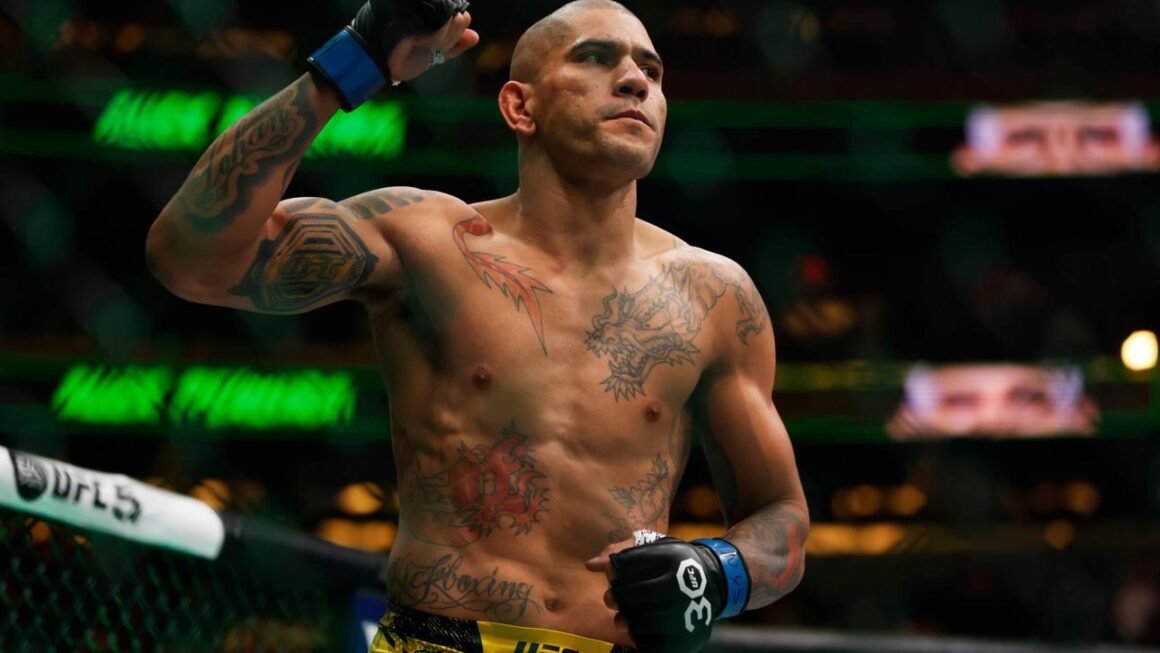
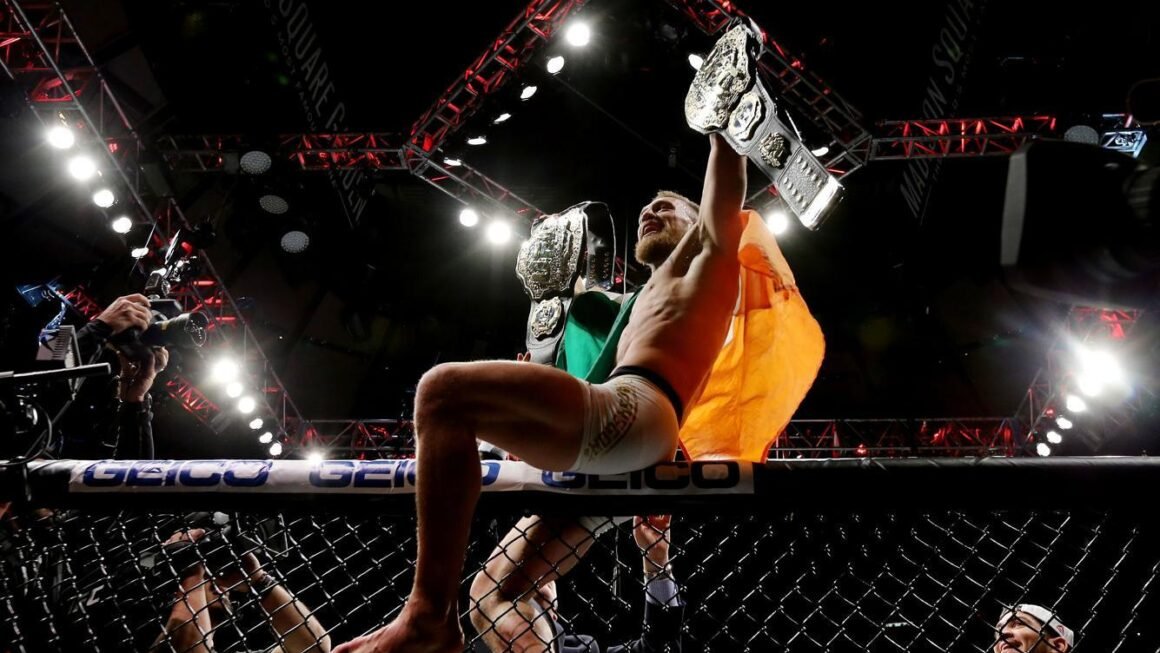
From the mid-2000s onward, UFC began producing international stars. Fighters like Randy Couture, Chuck Liddell, Anderson Silva, Georges St-Pierre, Jon Jones, Ronda Rousey, and later Conor McGregor became household names across the United States. Each brought distinct styles and personalities that fueled pay-per-view growth and global interest.
The McGregor vs Khabib Nurmagomedov fight at UFC 229 remains one of the most successful pay-per-view events in combat sports history with millions of buys in the U.S. alone — a testament to how far the UFC has reached in just three decades.
📺 UFC in the Streaming Era
In 2026 the UFC made a pivotal media shift in the United States with a major long-term deal with Paramount+. This new agreement changed how fans consume fight nights and numbered events, moving away from traditional pay-per-view to streaming access — a first in the promotion’s history that opens doors to an even broader U.S. audience.
This strategic shift reflects the evolving nature of media consumption in America, making UFC content more accessible and interactive for casual and hardcore fans alike.
🔥 Fan Engagement and Culture
One key reason for the UFC’s rise in the United States is its ability to cultivate personalities. Fighters don’t just fight — they build stories and rivalries that captivate fans on social media, podcasts, and talk shows. Whether it’s heated face-offs during press tours or viral moments during weigh-ins, UFC fighters have become celebrities in their own right.
UFC events routinely sell out arenas in Las Vegas, New York, and other U.S. venues, creating electric atmospheres reminiscent of major league sporting events.
🧠 What’s Next for the UFC in the USA?
As the organization continues to evolve, several trends suggest even greater growth:
- Expansion of weight classes and divisions.
- Greater participation of U.S. fighters in title pictures.
- Innovative event formats and international expansion that feed American enthusiasm.
- Increasing role of technology, analytics, and live fan engagement.
All these elements show that the UFC’s impact on the American sports landscape is not just strong — it’s here to stay.