








Introduction.
The kitchen is often called the heart of the home. It is where meals are prepared, conversations happen, and families gather at the end of long days. But beyond warmth and comfort, the kitchen is also one of the most resource-intensive spaces in any household.Water flows constantly from taps. Refrigerators run day and night. Food packaging fills trash bins. Electricity powers appliances large and small. Without realizing it, the everyday routines in our kitchens have a direct impact on the environment.The good news is this: small changes in the kitchen can lead to powerful environmental benefits. Sustainable living does not always begin with big lifestyle shifts. Sometimes, it begins with how we store leftovers or wash dishes.
Understanding the Kitchen’s Environmental Footprint.
Think about a typical day in the kitchen.This are the things that happen in the kitchen;
- Vegetables and fruits are washed.
- food are prepared.
- The fridge door opens several times.
- Plastic wrappers are removed and thrown away.
- Dishes are cleaned using running water.
- Leftovers may sit forgotten until they spoil.
Each of these actions seems harmless on its own. But repeated daily, across millions of homes, they contribute to energy use, water consumption, and waste production.
Food waste alone is a major environmental issue. When food is thrown away, the resources used to grow, transport, and package it are also wasted. In landfills, decomposing food releases greenhouse gases that contribute to climate change.
Recognizing this footprint is the first step toward improvement.
Reducing Food Waste Creatively.
One of the simplest ways to build an Eco-Friendly kitchen is by reducing food waste. This is achieved by the following;
- Planning meals before shopping prevents overbuying.
- When you know exactly what you need, fewer ingredients go unused.
- Storing food properly also extends its lifespan.
- Airtight containers keep leftovers fresh longer and reduce the need for disposable wraps.
- Creative cooking makes a difference too. Vegetable peels can be used for broth. Overripe fruits can become smoothies or baked goods. Leftover rice can transform into fried rice the next day.
There are creative opportunities that comes from leftovers instead of just disposing them.
Choosing Sustainable Storage.
- Plastic wrap and disposable containers are common in many kitchens. However, they quickly add up in trash bins.Switching them to reusable glass containers, stainless steel lunch boxes, or silicone food covers significantly reduces waste. These options last for years and keep food fresh without harming the environment.
- Cloth kitchen towels can replace paper towels for most cleaning tasks. Over time, this simple swap prevents hundreds of paper sheets from being discarded.
Small changes in storage habits can drastically reduce single-use waste.
Saving Water in the Kitchen.
Water is one of the resources that is usually wasted in our kitchens. Water is used in cleaning and cooking foods in the kitchen hence people tend to use too much water as unexpected. However simple adjustments can reduce water wastage.
- Washing vegetables in a bowl of water instead of under a running tap conserves several liters at a time. The same water can later be reused for watering plants.
- Running the dishwasher only when it is full, or washing dishes in a filled sink rather than under continuous flow, saves significant amounts of water.
- Avoid using too much water will cleaning the kitchen room. Some tend to use too much water during cleaning the room hence leading to too much water wastage.
- Being mindful of how long the tap runs while rinsing can make a difference.
Energy Efficiency in Everyday Cooking.
Appliances that consume energy daily in the kitchen include. \
- Refrigerators which operates continuously.
- ovens and stoves. They use high levels of power.
- Microwaves
Simple habits that can improve efficiency in our kitchen.
- Keeping refrigerator doors closed as much as possible prevents energy loss.
- Allowing hot food to cool before placing it inside reduces strain on cooling systems.
- Using lids while cooking helps food cook faster, saving both time and energy.
- Avoid too much use of Pressure cookers and energy-efficient stoves also reduce overall power usage.
- Use Natural light during daytime cooking. This reduces the need for artificial lighting hence less electricity cost.
Small awareness shifts lead to noticeable energy savings over time.
Supporting Sustainable Food Choices.
An Eco-Friendly kitchen is not only about appliances and waste — it is also about what we choose to eat.
Locally sourced produce reduces transportation emissions. Seasonal foods require fewer artificial growing conditions. Plant-based meals, even a few times per week, lower environmental impact compared to heavily processed or resource-intensive options.Choosing products with minimal packaging further reduces waste before it even enters the home.Every purchase made in the grocery store shapes the environmental impact of the kitchen.
Creating a Sustainable Kitchen Culture.
Sustainability becomes powerful when it becomes routine. Involving all household members ensures long-term success.
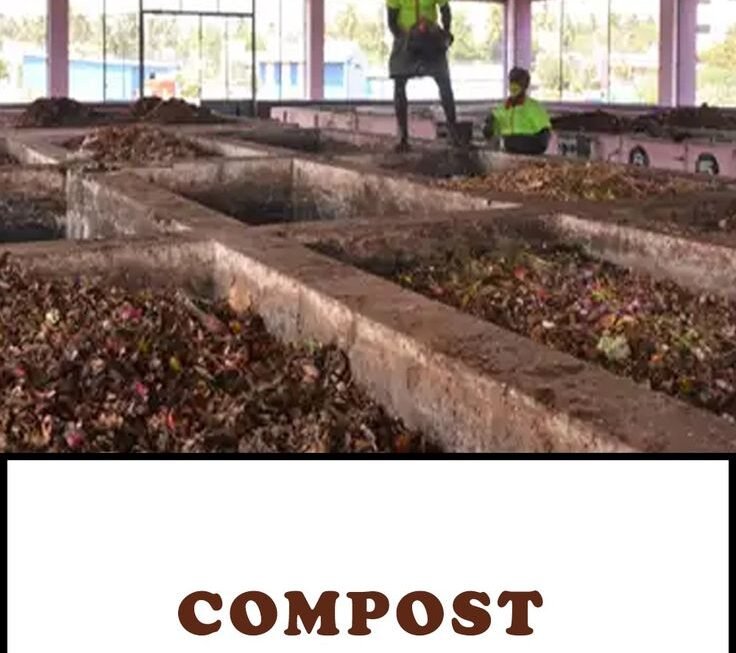
Children can learn to scrape leftovers into compost bins. Family members can help plan meals and avoid overbuying.
An Eco-Friendly kitchen does not need to be perfect. It simply needs to be intentional.
Conclusion.
The kitchen holds more power than we often realize. It is where daily habits intersect with environmental impact. From reducing food waste to conserving water and energy, small kitchen decisions create ripple effects beyond the home.Building an Eco-Friendly kitchen does not require expensive renovations or dramatic lifestyle changes. It begins with awareness — noticing how food is stored, how water is used, and how waste is handled.When sustainability starts in the heart of the home, it naturally spreads outward. A mindful kitchen leads to mindful living. And through simple, creative adjustments, the place where meals are prepared can also become the place where meaningful environmental change begins.