








Introduction.
Clothing has become more than a necessity. It is now a form of self-expression, identity, and trend-following. New styles appear almost every week, and stores constantly update their collections to match what is popular online. Shirts, dresses, and shoes are sold at low prices, making it easy to buy more than we truly need.
This system is known as fast fashion. It focuses on producing clothing quickly and cheaply to keep up with rapidly changing trends. While this may seem convenient and affordable, there is a hidden cost behind these low prices. The environmental impact of fast fashion is far greater than many people realize.
Behind every inexpensive t-shirt or pair of jeans lies a story of resource consumption, pollution, and waste. Understanding this hidden cost is the first step toward making more sustainable choices.
What Is Fast Fashion?
Fast fashion refers to clothing that is designed, produced, and sold quickly to follow current trends. Instead of creating durable pieces meant to last for years, companies focus on speed and low cost.
New collections are released frequently, encouraging customers to keep buying. Clothes are often worn only a few times before being replaced by the next trend.
The problem is not fashion itself. Fashion can be creative and meaningful. The issue lies in overproduction and over consumption — buying more than necessary and discarding items too quickly.
The Environmental Impact of Production.
Producing clothing requires significant natural resources. Cotton farming, for example, uses large amounts of water. Growing enough cotton for a single pair of jeans can require thousands of liters of water. In regions where water is already scarce, this creates serious pressure on local communities and ecosystems.
In addition to water use, textile production consumes energy. Factories rely on electricity and fuel to manufacture, dye, and transport clothing. This energy often comes from fossil fuels, contributing to greenhouse gas emissions.
Dyeing fabrics also creates pollution. Chemicals used to color clothing can contaminate rivers and soil if not properly managed. In some manufacturing regions, untreated wastewater flows directly into natural water sources, harming aquatic life and affecting nearby communities.
All these processes occur before a garment even reaches the store. The environmental footprint begins long before the consumer makes a purchase.
The Growing Problem of Textile Waste.
One of the biggest issues with fast fashion is waste. Because clothes are cheap and trends change quickly, many items are discarded after limited use.
Globally, millions of tons of textile waste end up in landfills each year. Synthetic fabrics such as polyester do not break down easily. Instead, they can take decades to decompose. During this time, they release microplastics into the environment.
Even donated clothing does not always solve the problem. While some items are resold, large volumes of second-hand clothes are exported to other countries, where many still end up as waste.
The culture of “buy and replace” accelerates this cycle. Cheaply made items wear out quickly, encouraging frequent repurchasing. This continuous demand places pressure on natural resources and contributes to pollution. The more we consume, the more factories produce. The more factories produce, the more resources are extracted. It becomes a repeating cycle that strains the planet.
Social and Ethical Concerns.
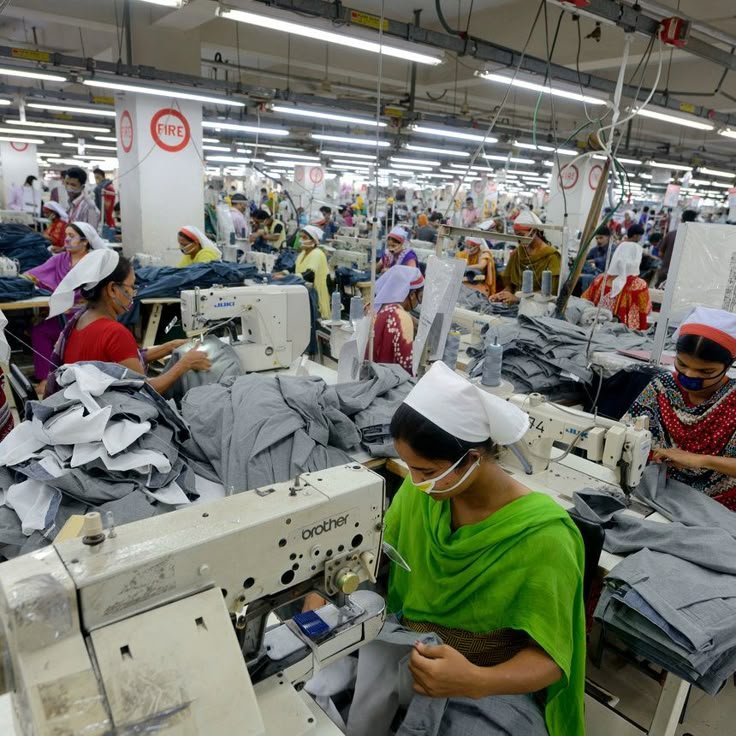
The environmental cost of fast fashion is closely connected to social issues. To keep prices low, production often takes place in countries where labor is inexpensive. Workers may face long hours and low wages.
Although improvements have been made in some areas, concerns about fair working conditions remain part of the conversation around sustainable fashion. Supporting more ethical brands can help encourage better practices within the industry.
Eco-living is not only about protecting the environment; it also involves considering the well-being of people involved in production.
Why Consumers Play a Key Role.
Consumers have more influence than they may think. Every purchase sends a message about what is valued. When demand for cheap, short-lived clothing remains high, companies continue producing it.
However, when consumers choose quality over quantity, businesses begin to adapt. Many brands are now introducing sustainable collections, recycled fabrics, and transparent supply chains in response to changing consumer awareness.
Choosing fewer but better-made items reduces waste and resource consumption. It shifts the focus from constant buying to thoughtful purchasing.
Simple Ways to Choose Sustainable Fashion.
- Buy Less, Choose Well – Focus on timeless pieces that can be worn in multiple ways rather than chasing every trend.
- Check Fabric Types – Natural or recycled materials often have a lower environmental impact than synthetic fabrics.
- Support Ethical Brands – Research companies that prioritize fair labor and environmentally friendly practices.
- Care for Clothes Properly – Washing in cold water and air drying can extend garment life.
- Repair and Reuse – Instead of discarding damaged items, consider repairing them. Donating responsibly or swapping clothes with friends also reduces waste.
Conclusion.
Fast fashion offers convenience and affordability, but its environmental cost is significant. From excessive water use and pollution during production to the growing problem of textile waste, the impact reaches far beyond the store shelves.Understanding these hidden consequences encourages more mindful choices. Sustainable fashion does not demand perfection or complete lifestyle change. It begins with awareness and intentional decisions.By choosing quality over quantity, caring for clothing properly, and supporting responsible brands, consumers can reduce environmental harm. Fashion can still be expressive and enjoyable — but it can also be thoughtful and sustainable.In the end, every purchase is a choice. Choosing wisely helps protect natural resources, reduce waste, and move toward a more sustainable future.