







Introduction.
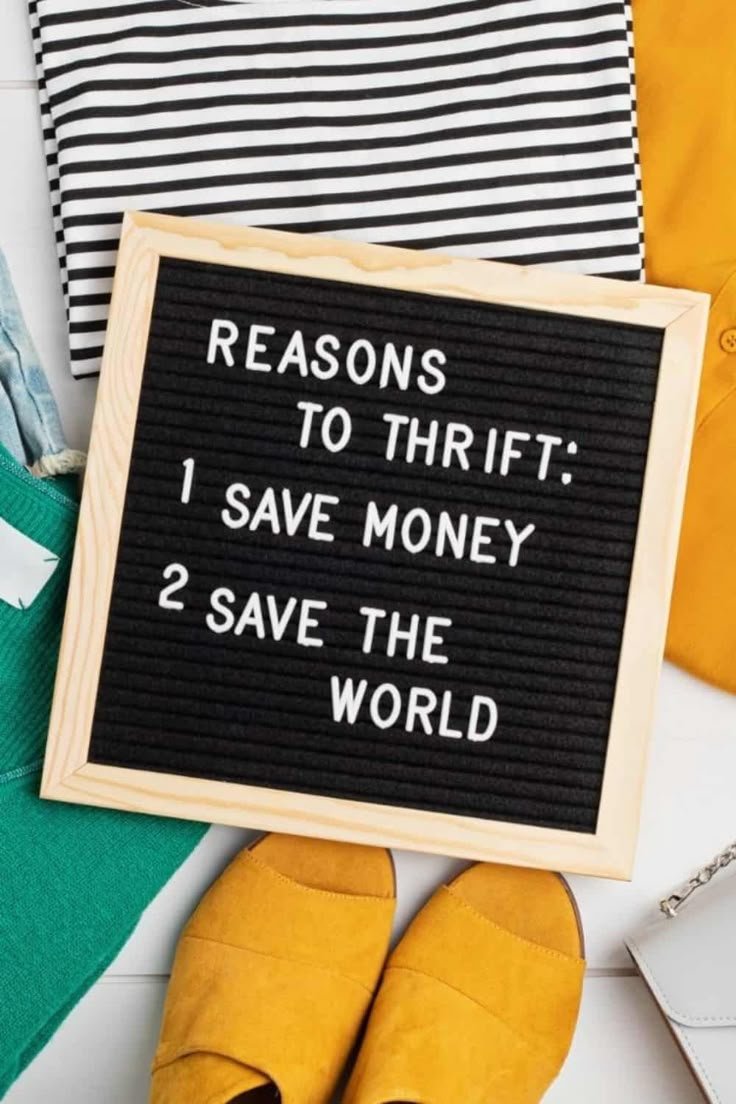
In today’s world people buying a second item is seen not better at all, they prefer buying new which they think is actually better. Secondhand living is slowly changing the way people think about consumption and the culture of reuse is growing. What was once seen as outdated or unnecessary is now being recognized as practical, responsible, and even stylish. Choosing secondhand is not about settling for less. It is about extending the life of items and reducing the pressure placed on our planet’s limited resources.
The Environmental Cost of “New”.
Every new product requires some things for it to be produced. This production process tends to be expensive. This things include;
- Raw materials.Furniture manufacturing consumes timber and fuel.
- Energy. Every production requires energy.
- Water. Clothing production uses water and chemicals.
- Transportation. The products have to be transported from the manufacture to market.
When we buy new items frequently, industries respond by producing more. This increases pollution, carbon emissions, and waste.
Secondhand purchasing interrupts this cycle. Instead of creating demand for new production, it gives existing products a longer life. One reused item means one less item that needs to be manufactured.
Extending the lifespan of products reduces landfill waste and conserves resources. It is a simple yet powerful way to lower environmental impact.
Reducing Waste Through Reuse.
Many household items are discarded long before they are truly unusable. like;
- Clothes may be thrown away because they are out of fashion.
- Furniture might be replaced due to minor scratches.
- Electronics are upgraded even when they still function properly.
This pattern contributes to overflowing landfills and pollution. Some materials, especially plastics and synthetic fabrics, take decades to decompose.
When items are reused, repaired, or resold, they stay in circulation longer. This reduces the volume of waste entering landfills and slows down the production cycle.
Financial Benefits of Buying Secondhand.
Purchase of secondhand items have many financial benefits including;
- Lower Purchase Prices
Secondhand items are usually sold at a much lower price than brand-new products. This allows buyers to get what they need while spending significantly less money. - Better Value for Money
You can often afford higher-quality brands or durable products at secondhand prices that would be too expensive if bought new. - Opportunity to Save or Invest the Difference
The money saved from buying used items can be redirected toward savings, investments, or other essential expenses. - Reduced Replacement Costs
If a secondhand item gets damaged, replacing it is usually less costly than replacing a brand-new expensive product.
The Hidden Value of Quality.
Older items are often built to last. Vintage furniture, for example, may be made from solid wood rather than cheaper manufactured materials. Older clothing pieces may have stronger stitching and thicker fabrics.
By choosing secondhand, buyers sometimes access higher-quality products at lower prices. This challenges the assumption that new automatically means better.
Additionally, secondhand items often carry uniqueness. Thrifted clothing or antique décor pieces allow individuals to express personal style in ways that mass-produced items cannot.
Reuse adds character to living spaces and wardrobes.
Repair Culture(Fix Instead of Replace).
Secondhand living also encourages repair culture. Instead of discarding items when minor damage occurs, people begin looking for ways to restore them.
- A torn shirt can be stitched.
- A scratched table can be refinished.
- A phone battery can be replaced.
These small actions extend product lifespan and reduce waste.
Repairing items builds practical skills and fosters appreciation for what we own. It shifts consumption habits from careless replacement to mindful maintenance.
In many communities, repair workshops and reusing culture are growing as part of the sustainable movement.
Overcoming the Stigma of Secondhand.
Despite its benefits, some people hesitate to buy used items due to social perception. There may be concerns about quality, hygiene, or status.
However, attitudes are changing. Sustainable fashion and conscious consumerism are becoming more widely accepted. Many people now proudly share thrift finds and vintage collections.
Cleaning and proper inspection can address hygiene concerns. Quality checks ensure functionality. With careful selection, secondhand purchases can meet high standards.
The idea that value is tied only to “newness” is gradually fading. Sustainability is becoming a new measure of responsibility and awareness.
Building a Culture of Conscious Consumption.
Choosing secondhand is not just an individual act; it contributes to broader cultural change. When communities support thrift stores, local resale markets, and donation centers, they strengthen circular economies.
A circular economy keeps products in use for as long as possible. Instead of a straight line from production to disposal, items move through cycles of reuse, repair, and resale.
This system reduces pressure on natural resources and encourages sustainable innovation.
By participating in secondhand culture, individuals support environmental responsibility without drastic lifestyle changes.
Conclusion.
The power of secondhand living lies in its simplicity. It does not require complex technology or large investments. It begins with a choice — choosing to reuse instead of replace.
Every reused item represents conserved resources, reduced waste, and lower emissions. It also reflects a shift in mindset — from constant consumption to conscious decision-making.
Sustainable living does not demand perfection. It encourages progress. By embracing secondhand options, repairing what we own, and valuing durability over novelty, we contribute to a more balanced relationship with the planet.
The future of Eco-Living may not be found in what is newest — but in what is already here, waiting for a second life.