





Just after the AFCON 2025 in Morocco, East Africa is already projecting towards 2027. Kenya, Tanzania and Uganda, gathered under the label Pamoja (“together” in Swahili), will have to transform a strong regional ambition into operational reality. Infrastructure, political coordination, sports credibility and economic legacy. The challenges are numerous to succeed in an unprecedented three-way organization.
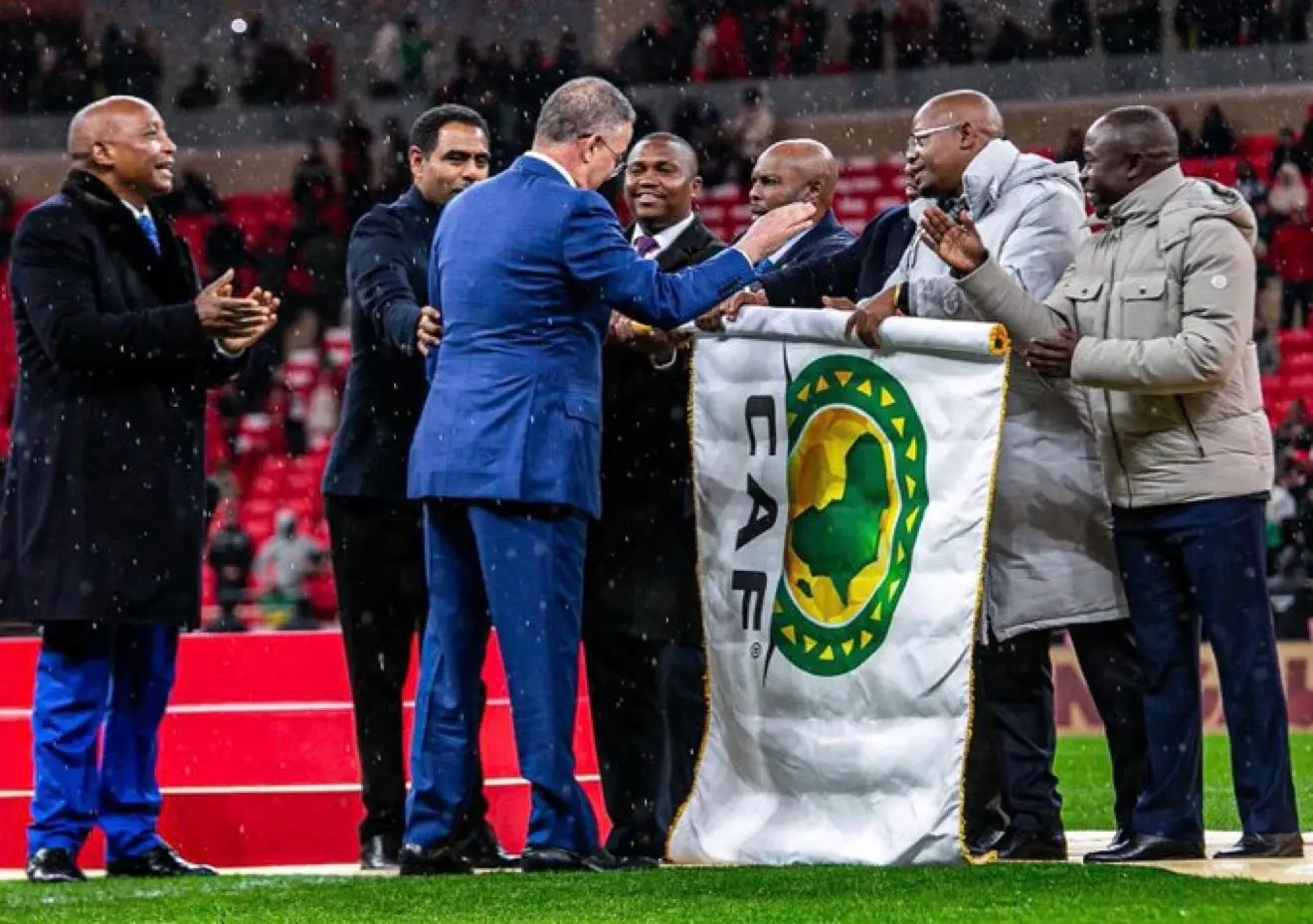
If Morocco offered a high-level showcase at the AFCON 2025, this edition also served as an indirect rehearsal for the future hosts of 2027. Tanzania and Uganda, opposed in the same group, were able to gauge their sporting level, but also closely observe the organizational requirements imposed by the Confederation of African Football. Management of supporter flows, pitch quality, security, hospitality, media etc. These are all indicators that will weigh in the evaluation of the East African preparations as we approach 2027.
Tanzania now appears as the financial pillar of the Pamoja project. For the 2025-2026 fiscal year, nearly $195 million have been mobilized for sports infrastructure development, including approximately $67 million specifically dedicated to stadium construction and renovation.

Several structuring projects are already underway:
Arusha Sports Stadium, a 30,000-seat venue, estimated at $98 million, to host major matches of the tournament;
Samia Suluhu Hassan Stadium, also in Arusha, with an equivalent capacity, at a cost of approximately $38 million;
Dodoma Stadium, under construction in the political capital, valued at $46 million.
Through these investments, Dar es Salaam seeks to position the country as a regional sports hub, capable of attracting tourism, continental events and sustainable economic benefits beyond the AFCON .
Uganda: between modernization and new construction
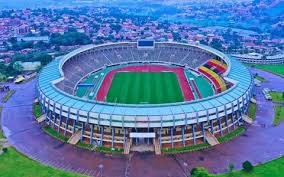
In Uganda, the strategy is based on a combination of renovation of existing infrastructure and ambitious new projects. Mandela National Stadium (Namboole) in Kampala is being upgraded to meet international standards. In parallel, the country is betting on the Hoima City Stadium, a multipurpose venue with 20,000 seats whose cost is estimated at 116 million dollars, with a delivery announced before the end of 2025.
At the institutional level, the Ugandan Parliament recommended an overall envelope of approximately $100 million for the preparations for the AFCON 2027. This budget covers the renovation of stadiums, the effective establishment of the National Anti-Doping Agency, the modernization of ancillary sports facilities and the construction of training grounds to international standards. The stated objective is clear: to make the AFCON a structural lever for Ugandan sport.
Kenya: A central role, but under observation
If Kenya remains a key political and logistical player in the Pamoja project, it also raises certain concerns. Investments seem to be mainly focused on Nairobi, at the expense of a more balanced distribution at the national level.
This approach is attracting criticism from local observers, who believe that the AFCON 2027 could have served as a catalyst for more homogeneous sports development. Two years before the deadline, Nairobi is expected to accelerate and expand its projects in order not to appear as the weak link of the trio.
Pamoja, a high-risk regional cooperation
The AFCON 2027 is based on a new model of regional co-organization. Pooling of financial resources, coordination of construction schedules, harmonization of CAF standards and cross-border logistics management. The Pamoja project is both an innovation and a major challenge.
The experience of the African Championship of Nations, already co-organized by the three countries, has allowed to identify real progress, but also persistent weaknesses, notably in inter-institutional communication and regional travel fluidity.
An issue that goes far beyond football
Beyond the competition, AFCON 2027 represents an opportunity for socio-economic transformation for East Africa. Infrastructure projects mobilize thousands of direct and indirect jobs, boost the hotel, transport and service sectors, and enhance the attractiveness of cities like Arusha, Hoima or Kampala.
Supported by international partnerships and continental media exposure, the region hopes to be part of the African football calendar. After the Moroccan example in 2025, the Kenya – Tanzania – Uganda trio is now expected on an essential point: transforming budgetary promises into a credible, fluid, and sustainable organization in 2027.