








Introduction.
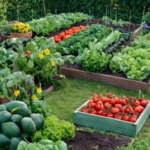
Planting seeds it may looks small and ordinary in your hand. Dry. Silent. Almost lifeless. But when placed in soil, watered, and given sunlight, it slowly transforms into something alive. Leaves unfold. Roots stretch downward. Growth begins quietly.Sustainable gardening is not only about growing food or flowers. It is about rebuilding our relationship with the earth. In a world that moves fast and consumes quickly, gardening teaches us to slow down. It reminds us that growth takes time. Even a small garden — a few pots on a balcony or a patch of soil behind a house can become a powerful step toward to Eco-Living.
Reasons why gardens matters allot in today’s lives.
Many of the people are kept distant from the sources of our food due to this modern life. Vegetables arrive neatly packaged. Fruits are available out of season. We rarely see the soil they grew in.
Gardening makes people understand that;
- When you grow your own herbs, tomatoes, or spinach, you begin to understand how much effort goes into producing food. You become more mindful about waste. You appreciate freshness differently.
- Gardening reduces dependence on heavily packaged supermarket produce. It cuts down transportation emissions and plastic waste.
Even growing a small portion of your food makes a difference.
What makes a sustainable gardening different.
Sustainable gardening focuses on working with nature rather than against it, which mean;
- Avoiding harmful chemical pesticides
- Using natural compost instead of synthetic fertilizers
- Conserving water
- Choosing plants suited to the local climate
Sustainable gardening respects the natural balance of soil, insects, and seasons. Instead of forcing rapid growth, it supports healthy, long-term development.
How compositing turns waste into life.
Compositing is one of the part of a sustainable gardening.
- Fruit peels, vegetable scraps, eggshells, and coffee grounds — things that would normally be thrown away — can become nutrient-rich soil.
- Instead of filling garbage bins, these organic materials return to the earth. Compost improves soil health, reduces landfill waste, and creates a natural cycle of renewal.
This shows people that leftovers are not useless, they are future nourishment for plants.
Watering With Care.
Water is essential for plants, but over watering can waste resources and damage roots. Sustainable gardeners learn to water intentionally.
Early morning watering reduces evaporation.
Collecting rainwater lowers dependence on treated tap water.
Mulching — covering soil with organic material — helps retain moisture.
This small practices protects the environment and the plants.
Emotional Benefits of Gardening.
Touching soil has a calming effect.
Watching something grow under your care builds patience.
Harvesting vegetables you planted yourself creates a sense of accomplishment that is difficult to describe.
Gardening reduces stress and provides a break from screens and noise.
It reconnects people to natural rhythms — sunlight, rainfall, and seasonal change.
How it supports Biodiversity at Home.
- A sustainable garden attracts more than just plants. Bees, butterflies, and birds are drawn to healthy ecosystems.
- By planting a variety of flowers and native plants, gardeners support pollinators. These insects are essential for food production and environmental balance.
Even small gardens can become mini ecosystems that support life beyond the household.
Gradual growth by starting small.
A sustainable garden attracts more than just plants. Bees, butterflies, and birds are drawn to healthy ecosystems.
By planting a variety of flowers and native plants, gardeners support pollinators. These insects are essential for food production and environmental balance.
Even small gardens can become mini ecosystems that support life beyond the household.
Conclusion.
Sustainable gardening is more than an Eco-Friendly hobby. It is a quiet revolution happening in backyards, balconies, and small community spaces.When you plant something, you take responsibility for nurturing life. You reduce waste through composting. You conserve resources. You reconnect with nature in a world that often feels disconnected.A garden does not need to be large to make an impact. Even a few pots of herbs can shift your mindset toward sustainability.
In the end, sustainable gardening grows more than plants. It grows awareness, patience, gratitude, and respect for the earth.And sometimes, that is exactly what the world needs.