









Introduction.
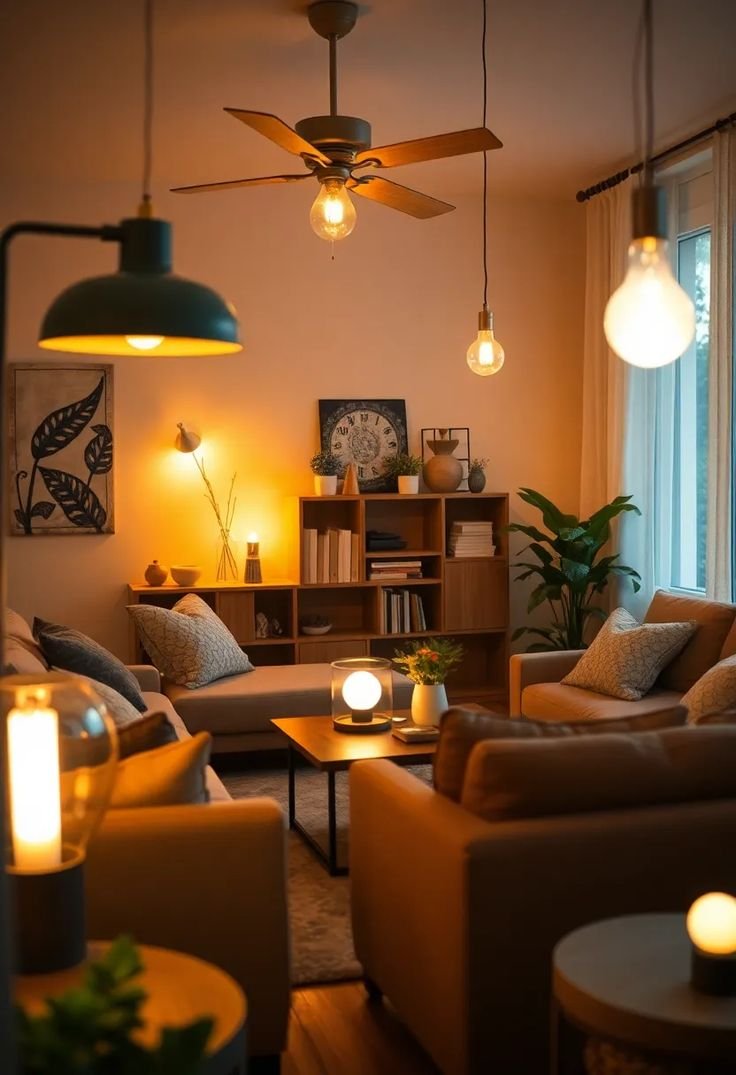
A home is more than just a place to live. It is where people rest, cook, spend time with family, and carry out most of their daily activities. Because so much of everyday life happens at home, the way households use energy, water, and materials can have a significant impact on the environment. Modern homes often rely heavily on electricity, packaged goods, and disposable products. Lights remain on longer than necessary, appliances consume large amounts of energy, and household waste continues to increase. While these habits may seem normal, they contribute to higher energy consumption, increased pollution, and unnecessary waste. Eco-friendly homes offer a different approach. Instead of focusing only on comfort and convenience, sustainable homes aim to reduce environmental impact while still maintaining a healthy and comfortable living space. Eco-living at home involves using resources wisely, reducing waste, and making conscious choices about how everyday activities affect the planet.
The encouraging news is that creating an eco-friendly home does not require expensive renovations or advanced technology. Small and practical adjustments in daily habits can gradually transform a household into a more sustainable environment. When these actions are practiced consistently, they contribute to both environmental protection and long-term financial savings.
Reducing Energy Consumption at Home.
Energy use is one of the biggest environmental impacts in many households. Electricity powers lighting, appliances, heating systems, and electronic devices. When energy is used inefficiently, it increases carbon emissions and raises electricity costs.
Households can reduce energy consumption through several simple practices:
- Switching to energy-efficient lighting
LED bulbs use significantly less electricity than traditional bulbs and also last much longer. Replacing older lighting with LED bulbs can reduce energy consumption without affecting brightness. - Turning off unused appliances
Many electronic devices continue to consume electricity even when not actively being used. Turning off lights, televisions, and computers when leaving a room prevents unnecessary energy waste. - Using natural lighting and ventilation
Opening curtains during the day allows natural sunlight to brighten indoor spaces, reducing the need for artificial lighting. Natural airflow from open windows can also reduce reliance on fans or air conditioning. - Choosing energy-efficient appliances
When purchasing new appliances, selecting models designed to use less electricity can significantly reduce household energy consumption over time.
These practices not only help protect the environment but also lower electricity bills for households.
Managing Household Waste Responsibly.
Waste generation is another major challenge in modern homes. Packaging materials, food waste, plastic containers, and disposable products can quickly accumulate in households.
Reducing waste begins with awareness and responsible consumption. Instead of throwing items away immediately, households can explore ways to reduce, reuse, and recycle materials.
Some practical waste management habits include:
- Separating recyclable materials
Paper, glass, metal, and certain plastics can often be recycled instead of being sent to landfills. - Composting organic waste
Food scraps such as fruit peels, vegetable remains, and eggshells can be composted to create natural fertilizer for gardens. - Using reusable household items
Replacing disposable products like paper towels, plastic bags, and single-use containers with reusable alternatives helps reduce waste. - Buying products with minimal packaging
Choosing items with less packaging reduces the amount of waste generated at home.
Through these habits, households can significantly decrease the volume of waste they produce.
Conserving Water in Daily Activities.
Water is an essential natural resource, yet it is often used carelessly in everyday activities. Simple actions such as leaving taps running while washing dishes or taking excessively long showers can lead to unnecessary water waste. Water conservation can be achieved through small but effective changes:
- Fixing leaking taps promptly
A small leak may seem harmless, but over time it can waste large amounts of water. - Turning off taps when not in use
Closing the tap while brushing teeth or scrubbing dishes prevents unnecessary water flow. - Collecting rainwater for plants
Rainwater can be stored and used for watering gardens or cleaning outdoor spaces. - Using water-efficient fixtures
Low-flow shower heads and efficient toilets reduce water consumption without affecting comfort.
By managing water carefully, households contribute to protecting a resource that is vital for life.
Choosing Sustainable Household Materials.
The materials used inside homes also influence environmental sustainability. Furniture, cleaning products, and household decorations can either support eco-living or contribute to pollution.
Choosing sustainable materials involves selecting products that are durable, reusable, and environmentally friendly. For example, wooden furniture made from responsibly sourced materials often lasts longer than cheaply manufactured alternatives.
Natural cleaning products, reusable storage containers, and eco-friendly textiles can also help reduce environmental impact within the home.
Supporting local artisans and small businesses that produce sustainable household goods can further promote environmentally responsible production.
Building Long-Term Eco-Friendly Habits.
Creating a sustainable home is not about achieving perfection overnight. Instead, it involves gradually adopting habits that encourage responsible use of resources.
- Families can begin by introducing simple routines such as turning off lights, recycling household materials, and reducing unnecessary purchases. Over time, these habits become part of everyday life.
- Educating children about environmental responsibility is also important. When young people grow up understanding the value of natural resources, they are more likely to practice eco-friendly habits in the future.
A home that prioritizes sustainability becomes not only environmentally responsible but also a place where awareness and responsibility are shared among all family members.
Conclusion.
Eco-friendly homes demonstrate that sustainable living begins with everyday choices. The way households use energy, manage waste, conserve water, and select household materials can significantly influence the environment. While global environmental challenges may seem overwhelming, meaningful change often starts at the household level. Small actions taken consistently by families around the world can collectively reduce pollution, conserve natural resources, and promote healthier living environments. Creating a sustainable home does not require drastic lifestyle changes or expensive technologies. It simply requires awareness, responsibility, and a willingness to make thoughtful decisions about how daily activities affect the planet. By transforming homes into spaces that support eco-living, individuals contribute to building communities that respect nature and prioritize long-term sustainability. In the end, the path toward a healthier planet often begins with the choices we make inside our own homes.