




Introduction.
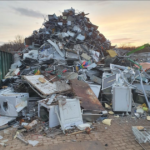
Modern life moves quickly because new products are launched constantly. The pressure to keep up can feel overwhelming. When we live quickly, we consume quickly. Fast fashion, fast food, fast upgrades, fast replacements — all encourage buying more and thinking less. This pattern increases waste, drains natural resources, and places pressure on the environment. Living with purpose offers a different path. It does not mean abandoning ambition or productivity. Instead, it means slowing down enough to make intentional choices. A slower lifestyle supports sustainability because it reduces unnecessary consumption and encourages mindful habits. Choosing slow is not about doing less. It is about doing what truly matters — for ourselves and for the planet.
The Problem With Constant Speed.
This constant speed comes with many problems including;
- We choose single-use items instead of reusable ones.
- We buy new products instead of repairing old ones.
- We order more than we need because it is easy.
- We replace items quickly without considering long-term impact.
This constant cycle of buying and replacing increases environmental damage. Production requires raw materials, energy, and transportation. Disposal creates waste and pollution. Speed reduces reflection. When we do not pause to think, we rarely consider the environmental cost of our decisions.
Meaning of living with purpose.
This means being intentional about how we spend time, money, and energy. It involves aligning daily habits with personal values. Slowing down creates space for thoughtful decisions. Instead of reacting automatically, we respond consciously. This mindset shift reduces over consumption and promotes environmental responsibility.
How Slowing Down Reduces Waste.
- Fewer Impulse Purchases. Impulse buying often happens when we are distracted or emotionally rushed. Slowing down gives us time to evaluate whether an item is truly necessary..
- More Appreciation for What We Own. A slower lifestyle encourages care and maintenance. Instead of replacing items quickly.
- Mindful Eating Habits. Fast living encourages takeout meals and excessive packaging. Slowing down allows time for home cooking, meal planning, and reducing food waste.
Slower lifestyle benefits to the environment.
Living with purpose supports sustainability in several key ways:
- Reduced Resource Consumption: Buying less lowers demand for raw materials and energy.
- Lower Carbon Emissions: Fewer purchases mean fewer products manufactured and transported.
- Decreased Waste Production: Repairing and reusing reduce landfill contributions.
- Improved Energy Efficiency: Mindful habits such as turning off unused devices and conserving water become more intentional.
When multiplied across many households, these actions create measurable environmental impact.
Financial Benefits of Living Slowly.
A slower lifestyle also improves financial stability. Some key benefits include:
- Spending less on unnecessary items
- Reducing subscription and impulse purchase costs
- Avoiding frequent product replacements
- Saving money through meal planning
- Lowering utility bills through mindful energy use
By aligning spending with purpose, individuals often discover that simplicity supports financial security.y
Mental and Emotional Advantages.
Sustainability is not only about the planet. It also involves personal well-being.Fast living can lead to stress, comparison, and constant dissatisfaction. Slowing down encourages gratitude and awareness.Benefits of purposeful living include:
- Reduced stress from over scheduling
- Greater satisfaction with fewer possessions
- Stronger connection with family and community
- Increased focus and clarity
When consumption decreases, comparison often decreases too. Fulfillment shifts from owning more to experiencing more.
Practical Ways to Start Living With Purpose.
Transitioning to a slower lifestyle does not require drastic change. Small adjustments can create meaningful impact.
- Set spending limits and avoid unnecessary shopping trips.
- Schedule device-free time to reduce digital distraction.
- Prioritize quality over quantity when purchasing.
- Practice gratitude for what you already own.
- Choose activities that create value rather than clutter.
Overcoming Common Challenges.
Living slowly may feel unfamiliar at first. Society often rewards speed and productivity. Social pressure can encourage constant upgrading and trend-following. However, purposeful living does not mean rejecting modern life. It means selecting what truly adds value.Patience is essential. Building new habits takes time. Gradual adjustments are more sustainable than sudden drastic changes.The goal is balance — not extreme minimalism or isolation — but thoughtful engagement with the world.
Conclusion.
Living with purpose challenges the idea that faster is always better. In reality, speed often leads to waste, stress, and environmental harm. Slowing down allows space for mindful choices that protect both personal well-being and the planet. A slower lifestyle reduces unnecessary consumption, lowers carbon emissions, and strengthens financial stability. It transforms sustainability from a complex concept into a daily practice.Protecting the environment does not always require grand actions. Sometimes it begins with a pause — a moment to think before buying, replacing, or discarding.In a world that constantly rushes forward, choosing to slow down may be one of the most powerful environmental decisions we can make.