








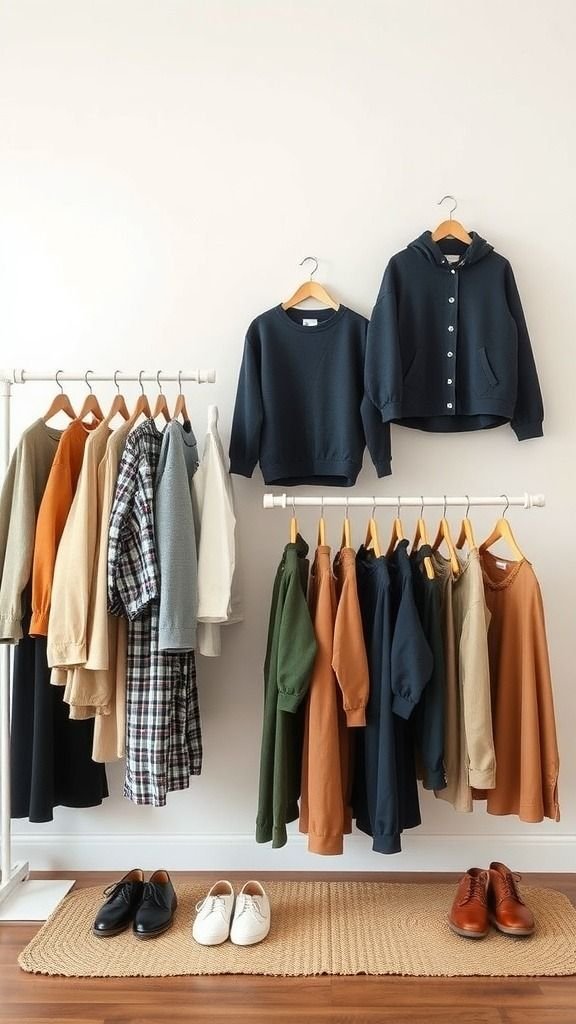
Introduction.
Fashion is an important part of everyday life. The clothes people wear reflect their personal style, culture, and identity. However, the global fashion industry has a significant impact on the environment. From textile production to clothing disposal, the industry contributes to pollution, excessive waste, and high energy consumption. Sustainable fashion is an eco-living approach that encourages people to make clothing choices that are environmentally responsible. It focuses on reducing waste, conserving resources, and supporting ethical production practices.
The Environmental Impact of the Fashion Industry.
The modern fashion industry produces millions of tons of clothing every year. Many of these clothes are worn only a few times before being thrown away. This culture of “fast fashion” leads to a massive amount of textile waste. Some environmental challenges caused by the fashion industry include:
- Water pollution from textile dyeing and chemical processing
- Large amounts of textile waste ending up in landfills
- High energy consumption during clothing production
- Use of synthetic materials that take many years to decompose
Because of these challenges, many environmental experts are encouraging people to adopt more sustainable clothing habits.
Choosing Sustainable Clothing Materials.
One way to support eco-friendly fashion is by choosing clothing made from environmentally responsible materials. Some fabrics require fewer chemicals and less water during production. Examples of sustainable materials include:
- Organic cotton, which is grown without harmful pesticides
- Bamboo fabric, which grows quickly and requires less water
- Hemp, a durable and environmentally friendly textile
- Recycled fabrics, made from reused materials such as plastic bottles or old garments
By choosing clothing made from these materials, consumers help reduce the environmental footprint of the fashion industry.
The Importance of Buying Less but Better.
One of the most effective ways to practice sustainable fashion is simply to buy fewer clothes. Instead of frequently purchasing cheap clothing that wears out quickly, consumers can invest in high-quality garments that last longer. Benefits of buying fewer but better clothes include:
- Reducing textile waste
- Saving money over time
- Encouraging responsible production practices
- Reducing demand for fast fashion products
Quality clothing may cost more initially, but it often lasts much longer than cheaper alternatives.
Supporting Ethical and Sustainable Brands.
Many fashion companies are now adopting environmentally friendly practices. Some brands focus on reducing waste, using renewable energy, and ensuring fair wages for workers. Consumers can support these efforts by choosing brands that:
- Use sustainable and recycled materials
- Follow ethical labor practices
- Reduce packaging waste
- Promote transparent production processes
Supporting responsible brands encourages the fashion industry to adopt more sustainable practices.
Recycling and Reusing Clothing.
Another important aspect of sustainable fashion is extending the life of clothing. Instead of throwing away old clothes, people can find creative ways to reuse them. Some practical options include:
- Donating clothes to charities or community organizations
- Selling used clothing through second-hand markets
- Upcycling clothes into new fashion items or accessories
- Repairing damaged clothing instead of discarding it
These practices reduce textile waste and promote a more circular fashion economy.
The Rise of Second-Hand Fashion.
Second-hand clothing has become increasingly popular in recent years. Thrift stores, vintage shops, and online resale platforms allow consumers to purchase pre-owned clothing at affordable prices. Benefits of second-hand fashion include:
- Lowering environmental impact
- Reducing demand for new clothing production
- Saving money for consumers
- Giving clothes a longer life cycle
Buying second-hand clothing also allows individuals to find unique styles that are not commonly available in mainstream fashion stores.
Sustainable Fashion and Consumer Awareness.
Sustainable fashion ultimately depends on consumer awareness. When people understand how their clothing choices affect the environment, they are more likely to adopt responsible habits. Consumers can make a difference by:
- Learning about sustainable materials and brands
- Avoiding unnecessary clothing purchases
- Supporting businesses that prioritize environmental responsibility
- Encouraging friends and family to adopt sustainable fashion habits
Education and awareness are powerful tools in transforming the fashion industry into a more environmentally responsible sector.
Conclusion.
The fashion industry plays a major role in modern society, but it also presents serious environmental challenges. Sustainable fashion offers a practical solution by encouraging responsible clothing production and consumption. By choosing eco-friendly materials, buying fewer but higher-quality garments, supporting ethical brands, and reusing clothing, individuals can reduce their environmental impact. Sustainable fashion reminds us that style and environmental responsibility can go hand in hand. When consumers make thoughtful clothing choices, they help create a fashion industry that respects bothpeople and the planet.