









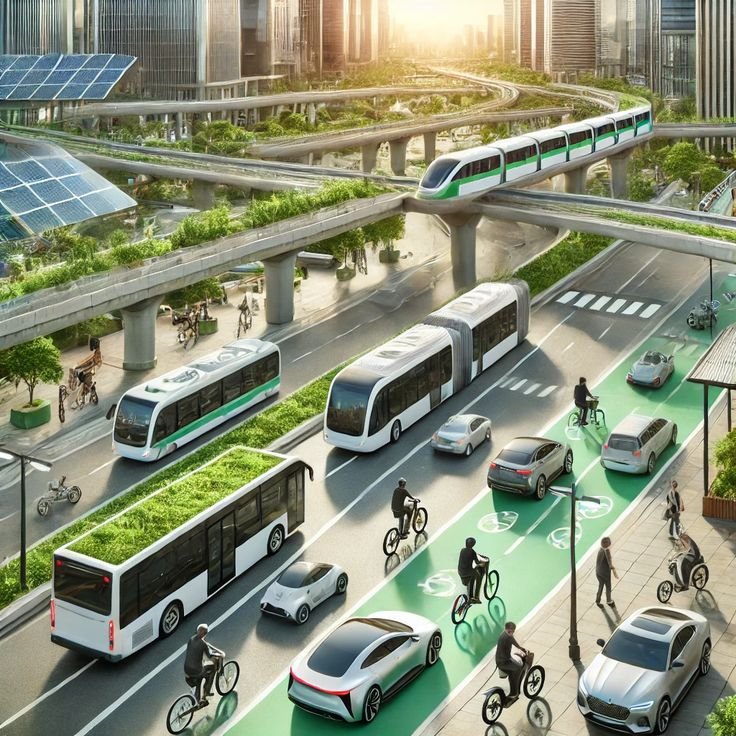
Introduction.
Every day, millions of people travel to work, school, markets, or social events. Transportation is a normal part of modern life, and many people rely on cars, motorcycles, and buses to move from one place to another. While these methods of transport provide convenience and speed, they also contribute significantly to environmental pollution. Vehicles that run on petrol or diesel release gases such as carbon dioxide and nitrogen oxides into the atmosphere. These emissions contribute to climate change and also affect air quality in cities and towns. In many urban areas, heavy traffic leads to increased pollution, noise, and congestion. Eco-friendly commuting offers a practical solution to this challenge. It focuses on choosing transportation methods that reduce environmental impact while still meeting daily travel needs. Small changes in the way people commute can make a meaningful difference over time. By adopting greener travel habits, individuals not only help protect the environment but also improve their own health and save money. Sustainable commuting is therefore not just an environmental decision — it is also a lifestyle improvement.
The Environmental Cost of Conventional Transport
Traditional transportation systems depend heavily on fossil fuels. Cars and motorcycles burn petrol or diesel to generate energy for movement. During this process, greenhouse gases are released into the atmosphere.
These gases trap heat within the Earth’s atmosphere, contributing to global warming and climate change. As temperatures rise, weather patterns become more unpredictable, affecting agriculture, water availability, and natural ecosystems.
In addition to climate change, vehicle emissions also affect human health. Polluted air can increase the risk of respiratory diseases such as asthma and bronchitis. In cities with heavy traffic, people often breathe air that contains harmful particles produced by vehicle exhaust.
Another environmental concern is traffic congestion. When many vehicles gather in one area, engines often remain running while vehicles move slowly or wait in traffic. This wastes fuel and increases emissions unnecessarily.
Eco-Friendly Transportation Options
Sustainable commuting focuses on transportation choices that reduce fuel consumption and environmental impact. Some of the most effective eco-friendly options include:
- Walking – Walking is one of the most environmentally friendly forms of transport. It produces zero emissions and also improves physical health. For short distances such as going to nearby shops or local markets, walking can be both practical and beneficial.
- Cycling – Bicycles provide an efficient and affordable means of transportation. Cycling produces no air pollution and requires minimal resources compared to motor vehicles. Many cities are encouraging cycling by creating bicycle lanes and parking areas.
- Public transportation – Buses and trains carry many passengers at once, reducing the number of individual vehicles on the road. When more people use public transport, fuel consumption per person decreases significantly.
- Carpooling – Sharing a ride with coworkers, friends, or neighbors reduces the number of cars needed for a single journey. Carpooling helps lower fuel costs while also reducing traffic congestion.
Each of these options contributes to lowering the environmental footprint of daily travel.
Personal Benefits of Green Commuting.
Choosing eco-friendly transportation does not only benefit the environment. Individuals can also experience several personal advantages.
For example, walking and cycling improve physical health. Regular physical activity strengthens the heart, improves circulation, and reduces stress levels. People who incorporate active transportation into their daily routines often feel more energetic and productive.
Financial savings are another benefit. Fuel costs can take up a large portion of household expenses. By walking, cycling, or using public transport, individuals can significantly reduce spending on fuel and vehicle maintenance.
In addition, greener commuting can reduce daily stress. Traffic congestion can be frustrating and time-consuming. Using alternative transport options or sharing rides may make travel more predictable and less stressful.
Small Habits That Encourage Sustainable Travel.
Adopting eco-friendly commuting does not require drastic changes. Small habits can gradually create more sustainable transportation patterns.
Some helpful practices include:
- Planning trips efficiently – Combining several errands into one trip reduces the number of journeys needed during the day.
- Choosing nearby services – Whenever possible, selecting shops, markets, or workplaces that are closer to home can reduce travel distance.
- Maintaining vehicles properly – Proper tire pressure and regular engine maintenance improve fuel efficiency and reduce emissions.
- Using digital communication when possible – Virtual meetings and online services can sometimes replace unnecessary travel.
These small adjustments may seem simple, but when practiced consistently they contribute to significant environmental improvements.
Community and Environmental Impact
This helps to Reduced traffic congestion leads to quieter streets and improved air quality because of the following;
- Cleaner air contributes to better public health, especially for children and elderly people who may be more sensitive to pollution. Parks, sidewalks, and cycling lanes also become safer and more enjoyable when fewer vehicles dominate the roads.
- Local governments in many regions are beginning to encourage sustainable transportation through improved public transit systems, bicycle infrastructure, and pedestrian-friendly urban planning. These initiatives make it easier for citizens to choose eco-friendly commuting options.
Over time, such efforts contribute to creating cities that are healthier, cleaner, and more livable.
Conclusion.
Transportation is an essential part of daily life, but the choices people make about how they travel can significantly affect the environment. Heavy reliance on fossil-fuel-powered vehicles contributes to pollution, climate change, and traffic congestion. Eco-friendly commuting offers a practical alternative. By walking, cycling, using public transport, or sharing rides, individuals can reduce emissions while improving personal health and saving money. The transition toward sustainable transportation does not require dramatic lifestyle changes. Small adjustments in daily travel habits can gradually lead to meaningful environmental benefits. Ultimately, greener commuting is about recognizing that every journey has an impact. When individuals choose transportation methods that respect the environment, they contribute to cleaner air, healthier communities, and a more sustainable future for everyone.