






Introduction.
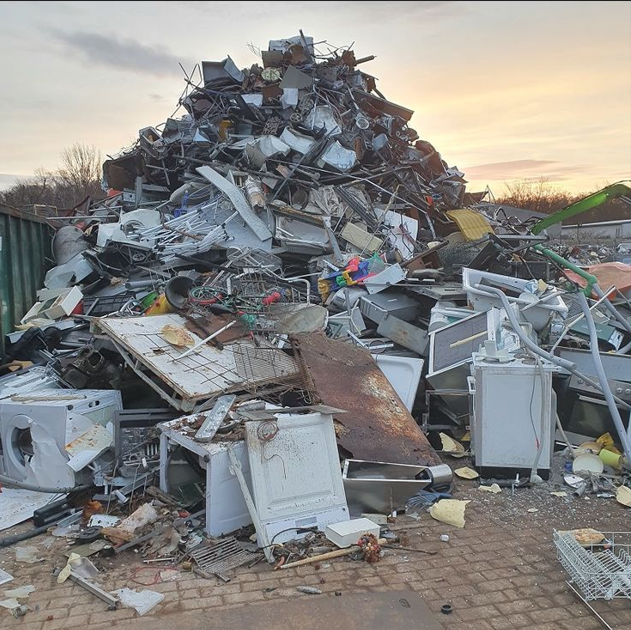
In today’s digital age, electronics are everywhere. Smartphones, laptops, tablets, and even household gadgets have become essential parts of daily life. Yet, as quickly as we adopt new technology, old devices are discarded. Many of these devices end up as electronic waste (e-waste), creating one of the fastest-growing environmental problems worldwide. E-waste is not just a clutter issue; it is a serious environmental hazard. Old electronics contain toxic substances such as lead, mercury, and cadmium. When disposed of improperly, these chemicals can leach into soil and water, harming humans, animals, and plants. Burning e-waste releases harmful gases that pollute the air, contributing to climate and health problems. Recycling electronics offers a sustainable solution. By responsibly managing e-waste, individuals and communities can protect the environment, recover valuable materials, and even save money. The good news is that small, intentional actions can make a big difference.
The Environmental Impact of E-Waste.
Electronic waste has serious consequences when ignored:
- Soil and Water Pollution – Heavy metals and toxic chemicals from e-waste can seep into the ground and water sources, affecting crops, animals, and drinking water.
- Air Pollution – Burning old electronics to extract materials releases toxic fumes, including dioxins and furans, which are dangerous to human health.
- Resource Depletion – Electronics contain valuable materials like gold, copper, and rare earth metals. Discarding devices wastes these resources instead of allowing them to be reused.
- Impact on Wildlife – Toxic chemicals from e-waste can accumulate in rivers and landfills, harming birds, fish, and other animals.
- Greenhouse Gas Emissions – Manufacturing new electronics requires energy, and discarding old ones increases the need for production, contributing to carbon emissions.
Understanding these consequences highlights why recycling electronics is not just a choice — it is a responsibility.
Why Recycling Electronics Matters.
Recycling electronics creates both environmental and societal benefits.
- Conserves Natural Resources. Recycled devices allow us to recover valuable metals such as gold, silver, copper, and platinum. These metals are finite and energy-intensive to extract from the earth. By recycling, we reduce mining activities, which preserves ecosystems and saves energy.
- Reduces Pollution. Proper recycling ensures toxic components are handled safely. Batteries, circuit boards, and screens can be processed without contaminating soil, water, or air. Responsible recycling prevents the dangerous chemicals in electronics from harming humans and wildlife.
- Supports the Circular Economy. Recycling transforms discarded electronics into raw materials for new devices. Instead of following a linear “make-use-dispose” model, we adopt a circular approach where products are reused, refurbished, or repurposed. This reduces waste and promotes sustainability.
- Creates Jobs and Economic Opportunities. E-waste recycling opens doors to local businesses and employment. Repairing old devices, collecting discarded electronics, and safely processing materials can generate income while supporting communities.
- Encourages Responsible Consumer Behavior. When people recycle, they develop awareness about consumption. They think twice before replacing devices unnecessarily and are more likely to buy products designed for longevity. This shift reduces overall environmental impact.
How Individuals Can Recycle Electronics.
You do not need to be a large company to make a difference. Small actions add up:
- Donate Working Electronics – Old devices that still work can be donated to schools, community centers, or charities.
- Use Certified E-Waste Recyclers – Many cities, including Nairobi and Mombasa, have certified e-waste collection points.
- Trade-In Programs – Some electronics companies offer trade-in options for old devices, which ensures safe disposal and provides discounts on new purchases.
- Repair Instead of Replace – Small repairs extend the life of gadgets and reduce waste.
- Avoid Improper Disposal – Never throw electronics in the trash or burn them; this releases toxins into the environment.
Financial and Personal Benefits.
Recycling electronics isn’t just good for the environment — it also benefits your wallet and lifestyle:
- Earn Money from Old Devices – Some recycling programs buy old phones and laptops.
- Save Money by Repairing – Fixing broken devices can be cheaper than buying new ones.
- Lower Household Waste Costs – Reducing e-waste lowers the amount of garbage you pay to dispose of.
- Promotes Minimalism – Responsible recycling encourages thoughtful consumption and reduces clutter.
Conclusion.
Electronic waste is more than just old gadgets — it is a growing threat to the environment and human health. But it also presents an opportunity. Recycling electronics conserves resources, reduces pollution, supports the economy, and encourages responsible consumption. Every old phone, laptop, or tablet has value beyond its immediate use. By recycling responsibly, we turn e-waste into opportunity. Sustainable living begins with small steps. Collecting, donating, repairing, and recycling electronics may seem simple, but when practiced by many, it protects ecosystems, saves resources, and builds a greener, healthier future for everyone.