





Introduction
Cities are often known for their busy streets, tall buildings, and fast-paced lifestyles. As urban populations continue to grow, more land is developed for housing, businesses, roads, and other infrastructure. While this development supports economic growth and modernization, it can also reduce the amount of natural green space available in cities.
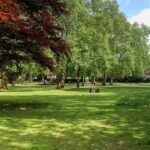
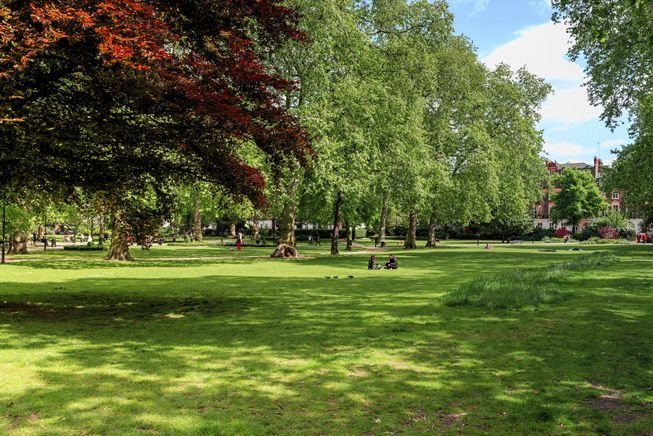
Urban green spaces—such as parks, gardens, and tree-lined streets—play an important role in creating healthier and more livable cities. These spaces provide residents with opportunities to relax, exercise, and connect with nature. More importantly, they help improve the environment by reducing pollution, cooling urban areas, and supporting biodiversity.
Unfortunately, many cities face increasing pressure to convert green spaces into buildings or commercial developments. As a result, protecting existing parks and planting more trees has become an important priority for urban planners and environmental organizations.
Urban green spaces are not just areas for recreation; they are essential components of sustainable city development. By preserving and expanding these natural spaces, cities can improve the quality of life for residents while protecting the environment.
What Are Urban Green Spaces?
Urban green spaces are areas within cities that contain vegetation such as trees, grass, plants, and flowers. These spaces provide a natural environment within otherwise heavily built urban landscapes.
Common types of urban green spaces include:
- Public parks and recreational areas
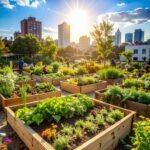
- Community gardens
- Tree-lined streets and boulevards
- Botanical gardens
- Green roofs and rooftop gardens
These areas create a balance between urban development and natural ecosystems.
Environmental Benefits of Urban Green Spaces
Urban green spaces provide numerous environmental benefits that help make cities more sustainable.
Some key environmental advantages include:
Improved Air Quality
Trees and plants absorb carbon dioxide and release oxygen. They also capture dust and pollutants from the air, helping improve overall air quality.
Urban Temperature Regulation
Cities often experience the urban heat island effect, where buildings and roads trap heat and make urban areas warmer than surrounding rural areas. Green spaces help cool the environment by providing shade and releasing moisture into the air.
Stormwater Management
Plants and soil help absorb rainwater, reducing the risk of flooding in urban areas. This natural drainage system prevents water from overwhelming city drainage infrastructure.
Support for Biodiversity
Urban parks and gardens provide habitats for birds, insects, and other small animals. These ecosystems support biodiversity even within highly developed cities.
Health Benefits for City Residents
Urban green spaces are not only beneficial for the environment but also for human health and well-being.
Some important health benefits include:
- Encouraging physical activity such as walking, jogging, and cycling
- Reducing stress and improving mental health through contact with nature
- Providing clean and peaceful environments away from busy traffic
- Supporting social interaction in shared public spaces
Spending time in green environments has been shown to improve mood, reduce anxiety, and promote overall well-being.
Economic Value of Green Spaces
Urban parks and green areas also contribute to economic development in cities.
Some economic advantages include:
- Increased property values for homes located near parks
- Tourism opportunities, especially for large or historic parks
- Reduced healthcare costs due to improved public health
- Job creation in landscaping, park management, and urban planning
These benefits show that protecting green spaces can also support economic growth.
Community and Social Benefits
Green spaces bring people together and strengthen community relationships. Parks and gardens often serve as gathering places where people from different backgrounds can interact and build connections.
Community benefits include:
- Spaces for cultural events and festivals
- Areas for children to play and families to gather
- Opportunities for environmental education
- Community gardening initiatives that promote cooperation
These activities help create stronger and more connected communities.
Challenges Facing Urban Green Spaces
Despite their many benefits, urban green spaces face several threats in rapidly growing cities.
Some major challenges include:
- Expansion of housing and commercial development
- Limited funding for park maintenance
- Pollution and environmental degradation
- Lack of awareness about the importance of green spaces
Addressing these challenges requires cooperation between governments, communities, and environmental organizations.
Strategies for Protecting Urban Green Spaces
Cities can adopt several strategies to preserve and expand green spaces.
Effective strategies include:
- Planting more trees in urban neighborhoods
- Protecting existing parks through environmental regulations
- Encouraging community gardens and green initiatives
- Incorporating green spaces into urban planning
These actions ensure that cities continue to benefit from natural environments.
Conclusion
Urban green spaces play a vital role in creating healthier, more sustainable cities. They improve air quality, regulate temperature, support wildlife, and provide valuable recreational spaces for residents. Beyond their environmental benefits, parks and green areas contribute to public health, community well-being, and economic development.
As cities continue to grow and expand, protecting and expanding green spaces becomes increasingly important. Urban development should not come at the cost of natural environments that support human health and ecological balance.
By prioritizing green spaces in urban planning and encouraging community involvement in environmental conservation, cities can create environments where both people and nature thrive. Protecting urban green spaces today will ensure that future generations continue to enjoy the many benefits of nature within the heart of modern cities.