




Introduction.
For many people, farming feels like something that belongs in rural areas — wide fields, large tractors, and endless land. But today, something interesting is happening. Gardens are appearing in the most unexpected places: balconies, rooftops, window ledges, and tiny backyards. You don’t need acres of land to grow food. Sometimes, all you need is a few containers, good soil, and consistency. Home gardening is quietly rising in cities. What once seemed impossible — growing your own vegetables in a small apartment — is now becoming normal. And the results are surprisingly powerful. Small space. Big harvest.
Why More People Are Gardening at Home.
Several factors are driving this change.
- First, food prices continue to rise. Growing even a few vegetables at home reduces grocery expenses. Second, people want fresher, chemical-free produce.
- Third, there is growing awareness about environmental sustainability.
- But beyond money and health, there is something deeper. People are rediscovering the joy of growing something with their own hands. Watching a seed turn into a plant brings a sense of accomplishment that buying from a store cannot provide.
You Don’t Need a Farm to Grow Food.
Many believe gardening requires large land. That belief is outdated. Today, people grow food in:
- Buckets and containers
- Recycled plastic bottles
- Wooden boxes
- Hanging pots
- Vertical wall systems
- Balcony rails
- Rooftops
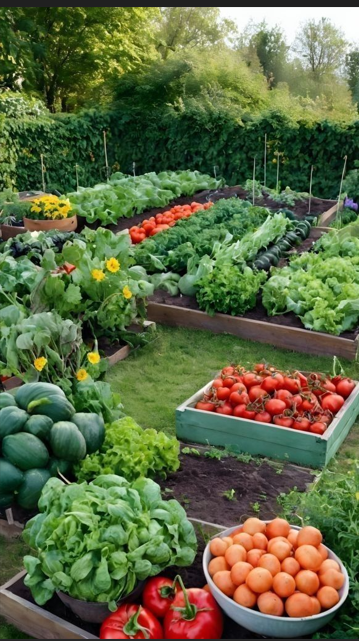
Tomatoes, spinach, sukuma wiki, onions, herbs, peppers, and even strawberries can thrive in small spaces.
What matters is not the size of the land — it is how creatively you use it.
Simple Ways to Start a Small-Space Garden.
- Begin with Easy Crops. Choose plants that grow quickly and require little maintenance: Spinach, Coriander, Lettuce, Green onions, Cherry tomatoes. These build confidence and show quick results.
- Use What You Already Have. You don’t need expensive pots. Old buckets, cooking containers, and even plastic bottles can be repurposed. Just ensure proper drainage holes at the bottom. Gardening does not have to be expensive.
- Understand Sunlight. Most vegetables need at least 4–6 hours of sunlight daily. Observe where sunlight hits your balcony or yard before planting. Light determines growth.
- Water Consistently. Overwatering and underwatering are common mistakes. Small containers dry out faster, so regular but moderate watering is key. Consistency is more important than perfection.
Environmental Benefits of Home Gardening.
Small gardens create real environmental impact.
- Reduced Food Transportation. When you grow food at home, you reduce the need for transportation. This lowers fuel use and carbon emissions.
- Less Packaging Waste. Homegrown vegetables come without plastic wrapping.
- Improved Air Quality. Plants absorb carbon dioxide and release oxygen. Even small gardens contribute to cleaner air.
- Organic Waste Recycling. Kitchen scraps can become compost instead of garbage. This reduces landfill waste. Small gardens may look simple, but their impact extends beyond the home.
Financial Benefits of Growing Your Own Food.
While a small garden will not replace your entire grocery list, it reduces certain expenses. You can save money by:
- Reducing frequent vegetable purchases. You just buy fewer veggies from the market because you harvested your own.
- Avoiding price fluctuations. Your not affected by market price spikes since you produce your own.
- Growing herbs that are often expensive in stores. Makes you save money by cultivating pricey herbs at home.
- Minimizing food waste (harvest only what you need). You harvest only what you need, reducing spoilage and waste.
Over months, these small savings add up.
Mental and Emotional Benefit’s.
Gardening does something powerful to the mind. In a fast-paced digital world, planting seeds slows life down. Benefits include:
- Reduced stress
- Improved focus
- A sense of responsibility
- Physical activity
- Satisfaction from harvesting
Touching soil reconnects people to nature. It reminds us that growth takes time. In many ways, gardening teaches patience.
The Rise of Urban Green Culture.
Across cities, more people are sharing gardening tips online. Communities exchange seeds. Neighbors compare harvests. Balconies are turning green. Urban gardening is not just about food. It is about reclaiming control — over what we eat, how we live, and how we interact with the environment. It proves that sustainability does not require grand gestures. It starts at home.
Small Effort, Real Impact.
Imagine if every apartment had just three vegetable pots. Now imagine thousands of homes doing the same. The combined effect would be:
- Less strain on food supply systems
- Lower environmental impact
- Increased household resilience
Big change does not always start with big land. It starts with small action.
Conclusion.
You do not need to move to the countryside to grow your own food. You do not need expensive equipment. You do not need perfection. All you need is a small space and the decision to begin. Home gardening proves that even limited space can produce meaningful results. It saves money, improves health, supports the environment, and brings personal satisfaction. Small space. Big harvest. Sometimes, the most powerful growth begins in the smallest corners.