





Introduction.
Every morning, the sun rises without sending a bill. It shines on rooftops, balconies, and open land — freely and consistently. Yet many homes continue to rely entirely on electricity generated from expensive and sometimes unreliable sources. As electricity prices rise and power outages become more common, households are searching for smarter alternatives. One solution is already available above us: solar energy. Solar power is no longer a luxury reserved for large companies or wealthy homeowners. Today, it is becoming a practical and affordable solution for ordinary families. Using the sun to power your home is not just environmentally responsible — it is financially wise.
Why More Homes Are Turning to Solar.
Electricity demand continues to increase. More devices, appliances, and digital tools mean higher monthly bills. At the same time:
- Power interruptions disrupt work and daily routines
- Fuel prices fluctuate
- Energy production contributes to pollution
Solar energy offers stability. Once installed, it provides a reliable and predictable source of power. Instead of depending entirely on external supply, households gain partial or full energy independence.
How Solar Power Works.
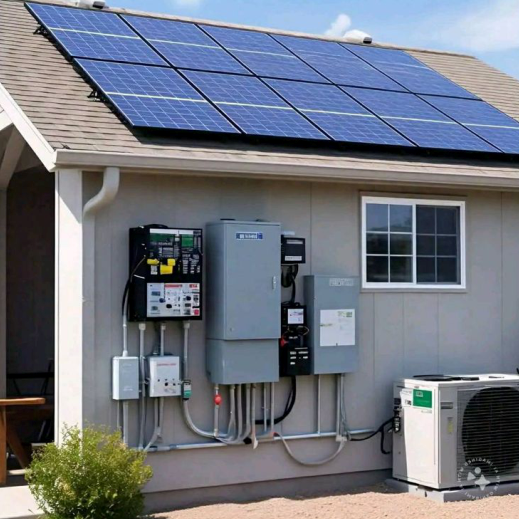
Solar panels capture sunlight and convert it into electricity. This electricity can:
- Power appliances directly
- Charge batteries for later use
- Reduce the amount of electricity drawn from the grid
The basic components of a home solar system include:
- Solar panels – Capture sunlight
- Inverter – Converts solar energy into usable electricity
- Battery (optional) – Stores energy for nighttime or outages
- Connection system – Distributes power throughout the home
It may sound technical, but once installed, the system works quietly in the background.
Types of Solar Systems for Homes.
- Grid-Tied Systems. These systems remain connected to the main electricity grid. Solar power reduces dependence on the grid, but electricity is still available when needed. Best for: Urban homes and Areas with reliable grid supply
- Hybrid Systems. Hybrid systems combine solar panels with battery storage. Excess energy is stored for use at night or during outages. Best for: Areas with occasional power interruptions.
- Off-Grid Systems. These operate independently from the main grid. They rely entirely on solar panels and battery storage. Best for: Remote locations and Homes seeking full energy independence.
Financial Benefits of Solar Power.
Many people hesitate because of the initial installation cost. However, solar power is a long-term investment. Here are the key financial advantages:
- Lower Monthly Electricity Bills. Solar reduces the amount of electricity purchased from the grid. Over time, this leads to significant savings.
- Protection from Rising Energy Costs. Electricity prices may increase, but sunlight remains free. Solar users are less affected by tariff changes.
- Return on Investment. Although installation requires upfront spending, savings accumulate over years. Most systems pay for themselves within several years.
- Increased Property Value. Homes equipped with solar systems are often more attractive to buyers. Energy-efficient properties stand out in the market.
- Reduced Generator and Fuel Costs. In areas prone to blackouts, households often rely on fuel-powered generators. Solar with battery storage reduces fuel expenses.
Environmental Impact.
Solar energy is clean. It does not produce harmful emissions during operation.
Benefits include:
- Reduced carbon footprint
- Less air pollution
- Lower dependence on fossil fuels
- Sustainable energy production
By adopting solar power, households contribute to a cleaner environment for future generations.
Practical Tips Before Installing Solar.
If you are considering solar energy, keep these points in mind:
- Assess your average monthly electricity usage. This determines the size of the solar system you need to cover your consumption and maximize savings.
- Evaluate your roof space and sunlight exposure. This ensures your roof has enough area and orientation to generate adequate power efficiently.
- Consult certified solar installers. They provide proffesional assessments, handle permits, and ensure safe, reliable installation.
- Compare different system options. This helps you find the best technology, financing, and warranties to fit your budget and goal.
- Consider future expansion needs. Planning ahead allows you install a compatible system now that can easily accommodate extra panels or battery later.
Planning ensures you choose a system that fits your home and budget.
Beyond Savings: Energy Independence.
There is something powerful about generating your own electricity. Solar energy gives households control. It reduces vulnerability to outages and external disruptions. Energy independence builds resilience — especially in times of uncertainty.
The Long-Term Perspective.
Solar power is not just about today’s bill. It is about long-term stability. Over 10–20 years:
- Savings grow
- Environmental impact decreases
- Maintenance remains relatively low
- Technology continues improving
As more people adopt solar solutions, communities become less dependent on centralized power systems.
Conclusion.
The sun shines every day, offering a free and renewable source of energy. Harnessing it is both a financial strategy and an environmental responsibility. Solar solutions at home reduce electricity bills, protect against rising costs, and promote sustainable living. While the initial investment may require planning, the long-term rewards are substantial. Powering your life with the sun is not just an upgrade — it is a smart decision for the future. The energy is already there. The question is: will you use it?