








Introduction
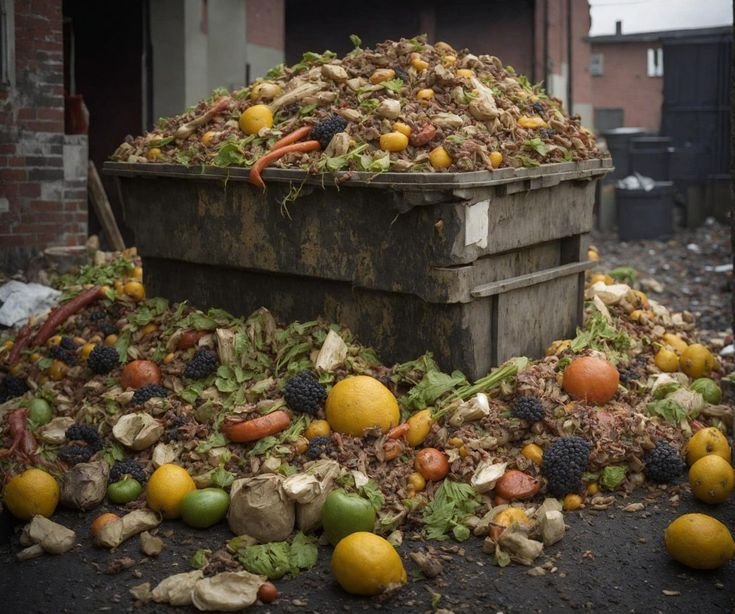
In modern society, convenience has become a major part of daily life. Many products we use every day are designed to be used once and then thrown away. Plastic water bottles, disposable shopping bags, single-use food containers, and paper cups have become common in homes, schools, and workplaces. While these products make life easier in the short term, they create a serious environmental problem.
Single-use products contribute greatly to pollution and landfill waste. Every year, millions of tons of plastic and other disposable materials are discarded around the world. Much of this waste does not decompose quickly and can remain in the environment for decades. Plastic waste in particular has become one of the most visible environmental issues of our time, polluting oceans, harming wildlife, and damaging ecosystems.
One simple but powerful solution to this problem is the use of reusable products. Reusable items are designed to be used multiple times instead of being discarded after a single use. By replacing disposable items with reusable alternatives, individuals can significantly reduce the amount of waste they produce.
The shift toward reusable products is becoming an important part of the eco-living movement. More people are realizing that small lifestyle changes can have a meaningful impact on the environment. By choosing reusable products, individuals not only reduce waste but also contribute to a cleaner and more sustainable future.
Understanding Reusable Products
Reusable products are items that can be used repeatedly without being thrown away after one use. Unlike disposable products, they are designed to be durable and long-lasting.
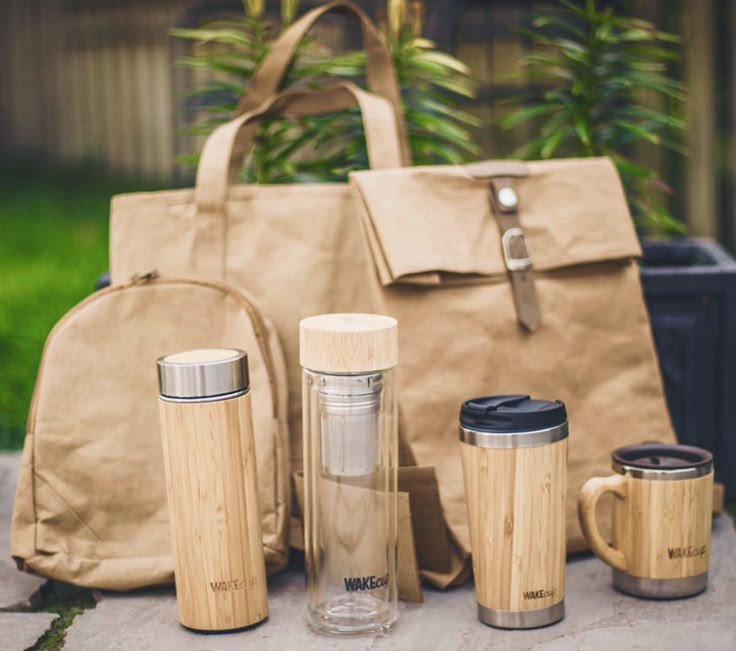
Examples of common reusable products include:
- Reusable shopping bags
- Stainless steel or glass water bottles
- Reusable food containers
- Cloth napkins instead of paper towels
- Metal or bamboo straws
- Refillable coffee cups
These products help reduce the need for disposable alternatives that quickly become waste.
Environmental Advantages of Reusable Products
One of the most important benefits of reusable products is their ability to reduce environmental pollution. By replacing single-use items, individuals can help limit the amount of waste that ends up in landfills and oceans.
Some key environmental benefits include:
Reduction of Plastic Waste
Plastic pollution is one of the biggest environmental challenges today. Reusable products help reduce the demand for single-use plastic items such as bags, bottles, and packaging.
Conservation of Natural Resources
Manufacturing disposable products requires large amounts of raw materials, including petroleum, water, and energy. Using reusable items reduces the need for continuous production of new materials.
Lower Energy Consumption
Producing disposable items requires energy for manufacturing, packaging, and transportation. When reusable products replace single-use items, the overall energy demand decreases.
Protection of Wildlife
Plastic waste in oceans and natural environments can harm animals that mistake it for food. Reducing plastic waste helps protect wildlife and preserve ecosystems.
Financial Benefits of Reusable Products
In addition to environmental advantages, reusable products can also save money over time.
Some financial benefits include:
- Reduced spending on disposable items such as plastic bottles and paper towels
- Long-term durability, meaning reusable products last much longer than disposable alternatives
- Less frequent shopping, since reusable items do not need constant replacement
Although some reusable products may cost more initially, they often prove more economical in the long run.
Everyday Ways to Adopt Reusable Products
Adopting reusable products does not require major lifestyle changes. Simple adjustments in daily habits can make a significant difference.
Some practical ways to start include:
- Carrying a reusable shopping bag when going to the store
- Using a refillable water bottle instead of buying bottled water
- Bringing a reusable coffee cup to cafes
- Storing food in reusable containers instead of disposable packaging
- Using cloth towels or napkins instead of paper products
These small changes can greatly reduce household waste over time.
Challenges in Adopting Reusable Products
Despite the benefits, some people find it difficult to switch from disposable to reusable items. One challenge is convenience, as single-use products are often widely available and easy to discard.
Other challenges include:
- Forgetting to carry reusable items when needed
- Higher upfront cost of some reusable products
- Limited awareness about sustainable alternatives
However, as environmental awareness increases, more people are adopting reusable products as part of their daily routines.
The Role of Communities and Businesses
Communities and businesses can also encourage the use of reusable products. Many cities and organizations are promoting sustainability initiatives that reduce disposable waste.
Examples include:
- Stores charging fees for plastic bags
- Cafes offering discounts for customers who bring reusable cups
- Schools encouraging reusable lunch containers
- Companies developing innovative eco-friendly products
These initiatives help create a culture that values sustainability and responsible consumption.
Conclusion
Reusable products represent a simple yet powerful solution to the growing problem of waste and environmental pollution. By choosing items designed for long-term use, individuals can significantly reduce their reliance on disposable products that contribute to landfill waste and plastic pollution.
The transition toward reusable products does not require dramatic lifestyle changes. Instead, it involves small everyday decisions—carrying a reusable bag, using a refillable bottle, or choosing durable containers. When multiplied across millions of people, these small actions can create a substantial positive impact on the environment.
As environmental awareness continues to grow, reusable products will play an increasingly important role in sustainable living. By adopting these practical alternatives, individuals can help protect natural resources, reduce pollution, and contribute to a healthier planet for future generations.