






Introduction
Food is one of the most essential resources for human survival. Every day, millions of people work in agriculture, transportation, and food production to ensure that food reaches homes, restaurants, and markets. However, despite the effort and resources used to produce food, a large portion of it is wasted every year. Food waste has become a major global problem that affects both the environment and the economy.
According to environmental studies, a significant percentage of the food produced worldwide is never consumed. It is thrown away in homes, supermarkets, restaurants, and farms. While many people see food waste simply as a household problem, its environmental impact is far greater than most people realize.
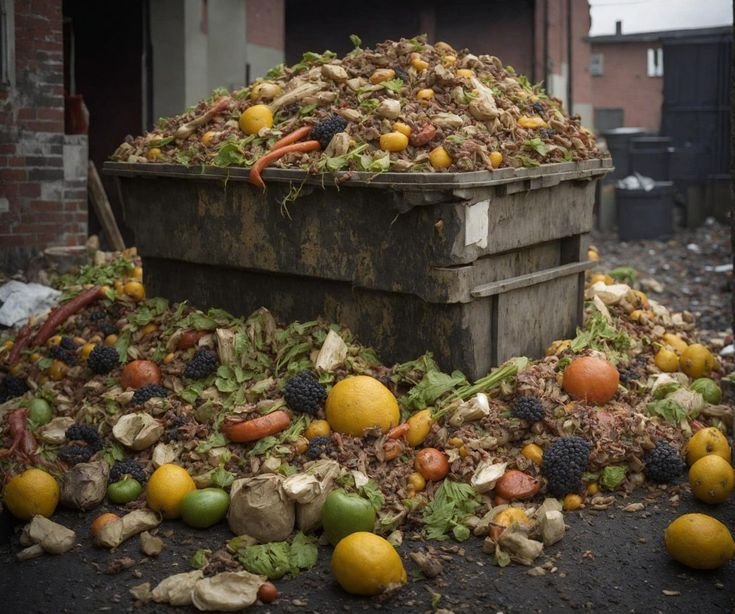
When food is wasted, all the resources used to produce it are wasted as well. This includes water, energy, land, fertilizers, and transportation. As food decomposes in landfills, it also produces harmful greenhouse gases that contribute to climate change.
Understanding the environmental cost of food waste is the first step toward solving the problem. By reducing food waste, individuals and communities can protect natural resources, save money, and support sustainable living.
Understanding Food Waste
Food waste occurs when edible food is discarded instead of being consumed. This can happen at different stages of the food supply chain, from farms to households. Some common causes of food waste include:
- Buying more food than needed
- Improper food storage at home
- Confusion about food expiration dates
- Large portion sizes in restaurants
- Damage or spoilage during transportation
Even small amounts of food waste at the household level can add up to large amounts when multiplied across millions of households.
Environmental Impact of Food Waste
Food production requires significant natural resources. When food is wasted, those resources are wasted as well.
Some major environmental impacts include:
Wasted Water
Agriculture uses large amounts of water to grow crops and raise livestock. When food is thrown away, the water used to produce it is also wasted.
Wasted Energy
Energy is required for:
- Farming equipment
- Food processing
- Refrigeration and storage
- Transportation
Discarding food means all this energy was used for nothing.
Land Use and Deforestation
Large areas of land are cleared to grow crops or raise animals. When food is wasted, it means land was used unnecessarily.
Greenhouse Gas Emissions
When food waste decomposes in landfills, it produces methane, a powerful greenhouse gas that contributes to climate change.
Economic Consequences of Food Waste
Food waste does not only harm the environment; it also has financial consequences for individuals and communities. Economic effects include:
- Households lose money when they throw away food they paid for.
- Businesses lose profits when unsold food must be discarded.
- Governments spend money managing landfill waste.
Reducing food waste can therefore help families save money while improving overall economic efficiency.
Simple Ways to Reduce Food Waste at Home
Individuals can make a big difference by adopting better food management habits. Here are some practical steps:
- Plan meals before shopping to avoid buying unnecessary food.
- Store food properly to extend its freshness.
- Use leftovers creatively instead of throwing them away.
- Freeze extra food that may spoil quickly.
- Understand expiration labels, since many foods remain safe to eat after the printed date.
These simple habits can greatly reduce household food waste.
The Role of Businesses and Restaurants
Businesses also play an important role in reducing food waste. Restaurants, supermarkets, and food producers can adopt better practices to minimize waste.
Examples include:
- Donating surplus food to charities and food banks
- Offering smaller portion sizes
- Improving inventory management systems
- Selling imperfect fruits and vegetables that are still safe to eat
Such actions not only reduce waste but also support communities facing food insecurity.
Technology and Innovation in Reducing Food Waste
Modern technology is helping address the food waste problem in new ways.
Innovations include:
- Smart refrigerators that monitor food freshness
- Mobile apps that connect restaurants with consumers to sell surplus food
- Improved packaging technologies that extend food shelf life
- Better supply chain tracking systems
These technologies help ensure that more food reaches people instead of landfills.
Conclusion
Food waste is a hidden environmental crisis that affects the planet in many ways. When food is discarded, valuable resources such as water, energy, and land are wasted, and harmful greenhouse gases are released into the atmosphere. The environmental and economic consequences of food waste make it a serious issue that requires immediate attention.
Fortunately, reducing food waste is something everyone can contribute to. Individuals can adopt better shopping and storage habits, businesses can improve food management systems, and governments can support policies that encourage waste reduction.
By becoming more mindful about how food is produced, consumed, and discarded, society can reduce environmental damage while ensuring that more food reaches the people who need it. Reducing food waste is not just about saving food—it is about protecting the planet and building a more sustainable future.