









Introduction.
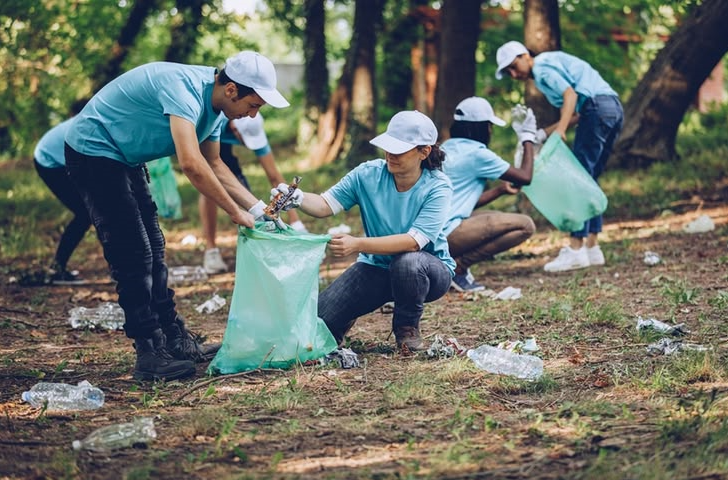
Clean environments are essential for healthy communities. Parks, streets, rivers, and neighborhoods provide spaces where people live, work, and relax. However, in many places, litter and waste have become common sights. Plastic bottles, food wrappers, and other discarded items often accumulate in public areas, affecting both the beauty of the environment and the health of communities. Waste pollution is not only an environmental issue; it is also a social challenge. When garbage piles up in streets, drainage systems become blocked, rivers become polluted, and wildlife can be harmed. In addition, dirty environments can discourage tourism and reduce the overall quality of life for residents. Despite these challenges, communities around the world are discovering that change does not always require large government programs or expensive technology. Sometimes, simple collective action can create powerful results. One of the most effective ways communities address environmental problems is through community clean-up initiatives. Community clean-ups bring people together with a shared goal: improving their surroundings. Volunteers gather to collect litter, recycle waste, and restore public spaces. These events not only improve environmental conditions but also strengthen social bonds among community members. Through teamwork and awareness, small actions carried out by ordinary people can lead to meaningful environmental change.
Why Community Clean-Ups Matter.
Community clean-ups provide practical solutions to local environmental problems while also educating people about responsible waste management. Some key reasons why these initiatives are important include:
- Reducing Environmental Pollution
Removing litter from streets, parks, and waterways prevents waste from spreading further into ecosystems. This helps protect soil, water sources, and wildlife. - Improving Public Health
Garbage accumulation can attract pests and spread harmful bacteria. Clean environments reduce health risks and create safer living conditions. - Enhancing Community Pride
When residents participate in cleaning their neighborhoods, they develop a stronger sense of responsibility and pride in their surroundings. - Protecting Wildlife
Animals can accidentally ingest plastic waste or become trapped in discarded materials. Removing litter helps protect local wildlife from these dangers.
Community clean-ups demonstrate that environmental responsibility starts at the local level.
How Community Clean-Ups Work.
Organizing a successful clean-up event does not require complicated planning. Many communities begin with small volunteer groups who share a common interest in protecting their environment. A typical clean-up activity may include the following steps:
- Selecting a Location
Volunteers identify areas that need attention, such as parks, riverbanks, beaches, or public roadsides. - Providing Basic Equipment
Participants usually bring gloves, trash bags, and simple tools to collect waste safely. - Sorting Waste for Recycling
Whenever possible, collected waste is separated into recyclable materials such as plastic, glass, and metal. - Educating Participants
Clean-up events often include discussions about waste reduction, recycling, and responsible consumption.
These simple steps allow communities to transform polluted spaces into cleaner and healthier environments.
Environmental and Social Benefits.
Community clean-ups offer many benefits that extend beyond removing visible waste. These initiatives contribute to long-term environmental awareness and stronger social connections. Some important benefits include:
- Encouraging Responsible Behavior
When people actively participate in cleaning their surroundings, they are less likely to litter in the future. - Raising Environmental Awareness
Participants gain a better understanding of how waste affects ecosystems and why proper disposal is important. - Strengthening Community Relationships
Clean-up activities bring together neighbors, students, families, and organizations, fostering cooperation and unity. - Inspiring Future Environmental Action
Volunteers who participate in clean-up efforts often become more involved in other environmental activities such as tree planting or recycling programs.
These benefits show that environmental improvement and community development can go hand in hand.
The Role of Youth in Community Clean-Ups.
Young people play an especially important role in environmental protection. Schools, youth groups, and student organizations often participate in clean-up activities as part of environmental education programs.
Youth involvement brings energy, creativity, and long-term commitment to sustainability efforts. When young people learn the importance of protecting their environment, they carry these values into adulthood.
Students who participate in clean-up events also become advocates for environmental responsibility within their families and communities. Their enthusiasm can inspire others to take action.
Encouraging youth participation ensures that environmental awareness continues to grow across generations.
Conclusion.
A clean environment is not created by a single organization or government policy alone. It is built through the collective effort of individuals who care about the places where they live. Community clean-ups demonstrate how ordinary people can work together to protect their surroundings and create healthier neighborhoods. By removing litter, promoting recycling, and educating participants about environmental responsibility, these initiatives create positive changes that extend far beyond a single day of volunteering. They build stronger communities, protect ecosystems, and inspire people to take greater care of their shared spaces. The beauty of community clean-ups lies in their simplicity. A group of committed individuals, a few basic tools, and a shared vision for a cleaner environment can transform neglected areas into vibrant and welcoming spaces. When communities take responsibility for their environment, they send a powerful message: protecting the planet begins with local action. Small efforts, repeated over time, have the power to create lasting environmental change for present and future generations.