









Introduction
Energy is one of the most important resources that modern societies depend on. It powers homes, industries, transportation systems, and technological infrastructure. For many decades, the majority of the world’s energy has come from fossil fuels such as coal, oil, and natural gas. While these sources have supported economic growth and industrial development, they have also created serious environmental challenges. Burning fossil fuels releases large amounts of greenhouse gases into the atmosphere, contributing to climate change, air pollution, and environmental degradation.
As the global population grows and energy demand increases, the need for cleaner and more sustainable energy sources has become more urgent. Renewable energy has emerged as one of the most promising solutions to this challenge. Renewable energy comes from natural sources that are continuously replenished, such as sunlight, wind, water, and geothermal heat.
Unlike fossil fuels, renewable energy sources produce little or no harmful emissions. They also offer a long-term solution to the world’s growing energy needs. By investing in renewable energy technologies and encouraging their adoption, societies can reduce environmental damage while ensuring reliable energy supplies for the future.
Understanding Renewable Energy
Renewable energy refers to energy that is generated from natural resources that are constantly renewed by nature. These resources are sustainable because they are not depleted when used.
Common types of renewable energy include:
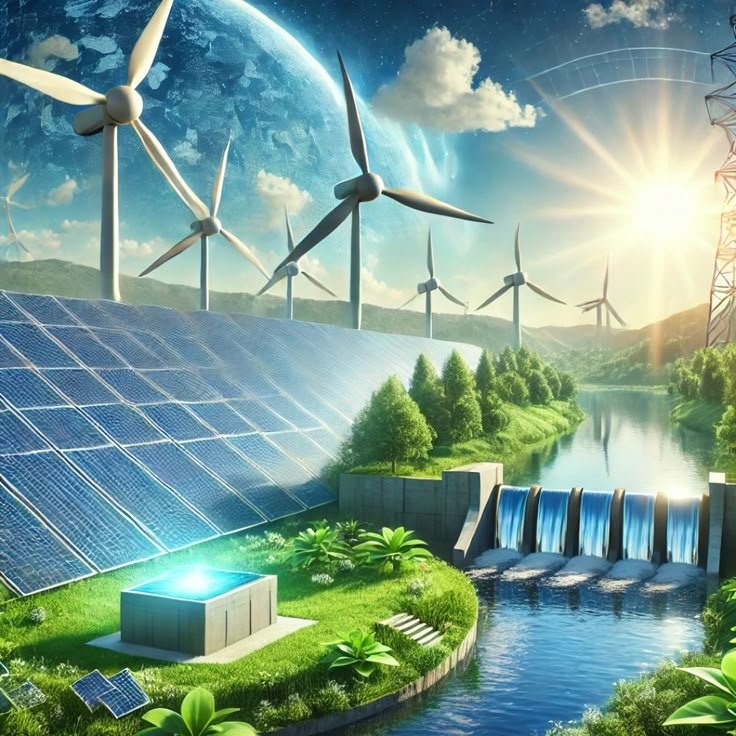
- Solar energy, which captures energy from sunlight using solar panels
- Wind energy, produced by wind turbines that convert wind into electricity
- Hydropower, generated by flowing water in rivers or dams
- Geothermal energy, which uses heat from the Earth’s interior
- Biomass energy, produced from organic materials such as plant waste and agricultural residues
These energy sources provide cleaner alternatives to traditional fossil fuels.
Environmental Benefits of Renewable Energy
One of the main advantages of renewable energy is its positive impact on the environment. Unlike fossil fuels, renewable energy systems generate electricity with minimal environmental damage.
Some key environmental benefits include:
- Reduced greenhouse gas emissions, helping combat climate change
- Lower air pollution, improving air quality and public health
- Conservation of natural resources, since renewable sources are not depleted
- Reduced environmental degradation caused by mining and drilling activities
By replacing fossil fuels with renewable energy sources, countries can significantly reduce their carbon footprint.
Economic Benefits of Renewable Energy
Renewable energy is not only beneficial for the environment but also for economic development. Many countries are investing heavily in renewable energy industries because they offer long-term financial advantages.
Economic benefits include:
- Job creation in manufacturing, installation, and maintenance of renewable energy systems
- Lower long-term energy costs as renewable technologies become more efficient
- Energy independence, reducing reliance on imported fossil fuels
- Growth of new industries and technological innovation
These economic opportunities make renewable energy an attractive investment for governments and businesses.
Renewable Energy and Energy Security
Energy security refers to the ability of a country to ensure a stable and reliable supply of energy for its population and industries. Heavy dependence on fossil fuels can create vulnerabilities, especially when these resources are imported from other countries.
Renewable energy can improve energy security by:
- Providing locally available energy sources such as sun, wind, and water
- Reducing dependence on international fuel markets
- Diversifying national energy systems to reduce risk
By expanding renewable energy infrastructure, countries can strengthen their energy independence and resilience.
Challenges Facing Renewable Energy
Despite its many advantages, renewable energy also faces several challenges that need to be addressed.
Some common challenges include:
- High initial installation costs for solar panels, wind turbines, and other technologies
- Intermittency issues, since sources like solar and wind depend on weather conditions
- Infrastructure limitations, including the need for modern energy grids
- Public awareness and policy barriers
However, ongoing technological advancements and supportive government policies are helping overcome these challenges.
Innovations in Renewable Energy Technology
The renewable energy sector is rapidly evolving due to technological innovation. Scientists and engineers are developing new solutions to improve efficiency, reliability, and affordability.
Recent innovations include:
- Advanced solar panels that capture more energy from sunlight
- Energy storage systems, such as batteries that store excess renewable energy
- Floating wind farms that generate power offshore
- Smart grids that efficiently distribute electricity
These innovations are making renewable energy more practical and accessible worldwide.
The Role of Individuals in Promoting Renewable Energy
Individuals can also contribute to the growth of renewable energy through everyday decisions and actions.
People can support renewable energy by:
- Installing solar panels on homes or buildings
- Supporting policies and programs that promote clean energy
- Reducing personal energy consumption through efficiency practices
- Choosing electricity providers that use renewable sources
When individuals and communities adopt sustainable energy practices, they help accelerate the transition to cleaner energy systems.
The Future of Renewable Energy
The future of global energy systems is expected to rely increasingly on renewable sources. Many countries have already set ambitious goals to reduce carbon emissions and expand renewable energy production.
Governments, businesses, and international organizations are working together to invest in renewable infrastructure, improve technology, and promote sustainable energy policies. As renewable energy becomes more affordable and efficient, it will likely replace a significant portion of fossil fuel use.
This transition will not only reduce environmental damage but also create new economic opportunities and improve energy access for communities around the world.
Conclusion
Renewable energy is one of the most important solutions to the environmental and energy challenges facing the world today. By harnessing natural resources such as sunlight, wind, and water, renewable energy provides a cleaner and more sustainable alternative to fossil fuels.
The environmental benefits of renewable energy include reduced greenhouse gas emissions, improved air quality, and conservation of natural resources. At the same time, renewable energy supports economic growth by creating jobs, encouraging technological innovation, and improving energy security.
Although challenges remain, continued investment in renewable energy technologies and supportive policies can accelerate the global transition toward sustainable energy systems. By embracing renewable energy today, societies can build a cleaner, healthier, and more resilient future for generations to come.