






Introduction
Cities are often associated with tall buildings, busy streets, and limited green spaces. As urban populations continue to grow, many people assume that living in a city means being disconnected from nature and agriculture. However, a growing movement known as urban gardening is changing this perception.
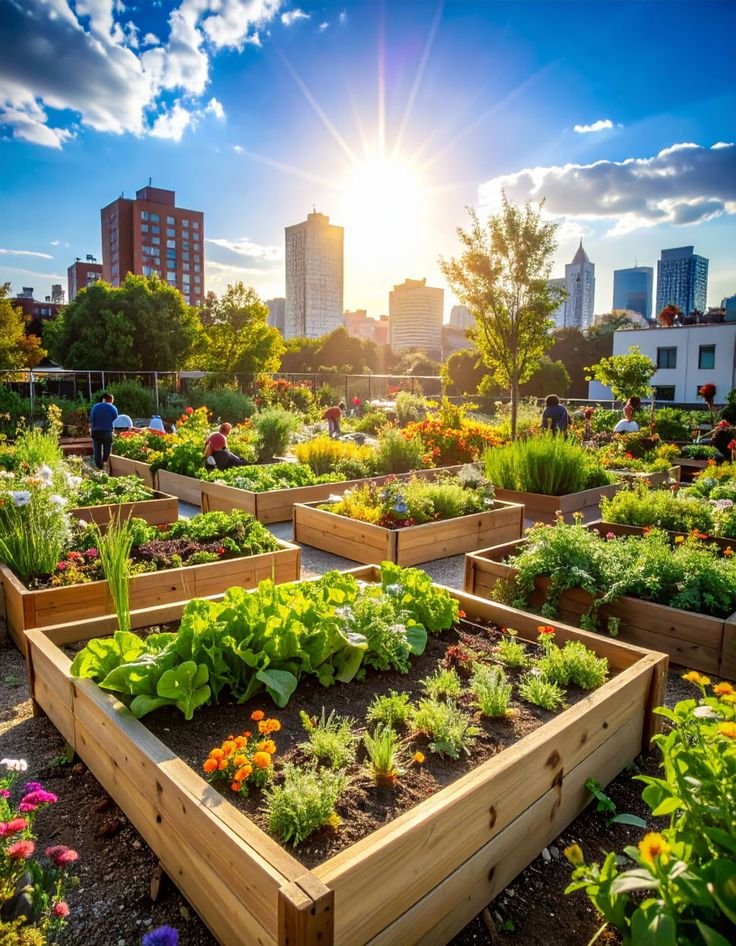
Urban gardening refers to the practice of growing plants, fruits, vegetables, or herbs in city environments. It can take place in small backyards, balconies, rooftops, community gardens, or even indoor spaces. Despite the limited space available in many urban areas, creative gardening methods have made it possible for city residents to grow their own food and contribute to a greener environment.
Urban gardening has gained popularity in recent years because it offers several environmental, economic, and health benefits. It helps reduce food transportation distances, promotes sustainable living, and allows individuals to reconnect with nature even in the middle of busy cities.
With the right techniques and a little creativity, anyone can participate in urban gardening. Whether it is growing herbs on a kitchen window or planting vegetables on a rooftop, urban gardening is proving that sustainable food production can thrive even in the smallest spaces.
What Is Urban Gardening?
Urban gardening involves growing plants within a city environment. Unlike traditional farming, which requires large areas of land, urban gardening focuses on making use of small or unused spaces.
Common types of urban gardening include:
- Balcony gardening, where plants are grown in containers on apartment balconies
- Rooftop gardening, which transforms unused rooftops into productive green spaces
- Community gardens, where residents share a piece of land to grow food together
- Indoor gardening, using pots or hydroponic systems inside homes
- Vertical gardening, where plants grow upward on walls or frames
These creative approaches make gardening possible even in densely populated areas.
Environmental Benefits of Urban Gardening
Urban gardening plays an important role in improving the urban environment. By introducing more plants into city spaces, residents help create greener and healthier communities.
Some environmental benefits include:
- Improved air quality, since plants absorb carbon dioxide and release oxygen
- Reduced urban heat, as plants help cool surrounding areas
- Better rainwater absorption, reducing flooding in cities
- Support for biodiversity, providing habitats for birds and insects
These benefits contribute to more sustainable and environmentally friendly urban areas.
Economic Advantages
Growing food at home can also provide financial benefits for individuals and families. While urban gardens may not replace grocery shopping entirely, they can reduce the amount of money spent on certain foods.
Economic benefits include:
- Saving money on fresh vegetables and herbs
- Reducing transportation costs associated with buying food
- Encouraging local food production within communities
Even small gardens can provide a steady supply of ingredients such as tomatoes, herbs, and leafy vegetables.
Health Benefits of Urban Gardening
Urban gardening also contributes to physical and mental well-being. Gardening activities encourage people to spend more time outdoors and engage in physical movement.
Health benefits include:
- Access to fresh and organic food grown without harmful chemicals
- Physical activity through planting, watering, and maintaining plants
- Stress reduction, as interacting with nature can improve mental health
- Improved diet, since people are more likely to eat vegetables they grow themselves
These benefits make urban gardening a valuable activity for both individuals and families.
Practical Tips for Starting an Urban Garden
Starting an urban garden does not require large amounts of space or advanced gardening skills. With a few basic tools and careful planning, beginners can successfully grow plants at home.
Some helpful tips include:
- Choose plants that grow well in small containers, such as herbs, lettuce, and tomatoes
- Use vertical gardening techniques to maximize limited space
- Ensure plants receive enough sunlight, especially if growing on balconies or windowsills
- Use quality soil and proper drainage for healthy plant growth
- Water plants regularly but avoid overwatering
These simple practices can help beginners create productive urban gardens.
Challenges of Urban Gardening
Although urban gardening offers many benefits, it can also present some challenges.
Common challenges include:
- Limited space for planting
- Lack of sunlight in certain urban areas
- Soil quality issues
- Pest management in small environments
Fortunately, modern gardening techniques such as container gardening and hydroponics help overcome many of these obstacles.
The Role of Communities in Urban Gardening
Urban gardening can also bring communities together. Community gardens allow neighbors to work collectively to grow food and share resources.
Community gardening initiatives often provide:
- Shared gardening tools and spaces
- Opportunities for education and skill development
- Stronger relationships between community members
- Greater awareness of sustainable food practices
These projects help build stronger, more connected communities while promoting environmental sustainability.
Conclusion
Urban gardening demonstrates that sustainable living is possible even in crowded city environments. By growing plants in small spaces such as balconies, rooftops, and community gardens, urban residents can reconnect with nature and contribute to a healthier environment.
Beyond environmental benefits, urban gardening offers economic savings, improved access to fresh food, and important health advantages. It encourages people to become more mindful about food production and resource use.
As cities continue to expand, urban gardening will likely become an increasingly important part of sustainable urban living. By turning small spaces into productive green areas, individuals and communities can create cities that are not only modern and efficient but also environmentally friendly and full of life.