




Introduction.
Water sustains life, yet it is often used without much thought. Turning on a tap feels effortless, and clean water appears instantly. However, this convenience hides the complex systems required to treat and distribute water. As populations grow and climate patterns shift, conserving water becomes increasingly important.
Households play a significant role in water use. Small daily habits, when multiplied across communities, can either strain or protect valuable resources.
Everyday Conservation Practices.
- Fixing leaks promptly is one of the simplest yet most effective measures. A dripping tap may seem minor, but over time it wastes significant amounts of water.
- Installing water-efficient fixtures, such as low-flow showerheads and dual-flush toilets, reduces consumption without compromising comfort.
- Collecting rainwater for gardening decreases reliance on treated water. Even small storage systems can support household plants during dry periods.
- Reusing greywater — such as water from washing vegetables — for watering plants is another practical strategy.
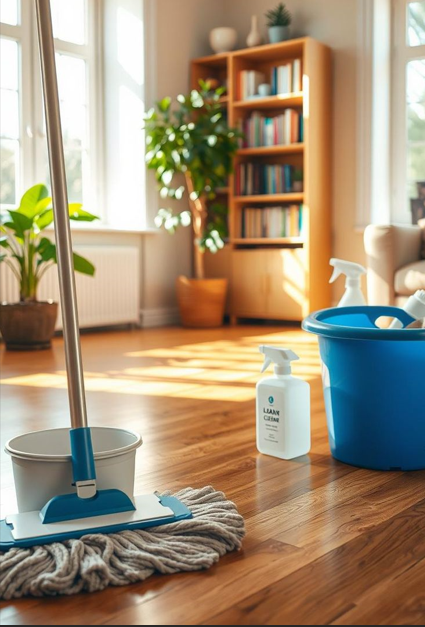
Additionally, simple behavioral changes make a difference. Turning off the tap while brushing teeth, taking shorter showers, running washing machines only with full loads, and using a bucket instead of a hose for car washing are all effective habits. When practiced consistently, these actions reduce daily consumption without disrupting comfort.
The Environmental Impact of Conservation.
- Water conservation directly supports environmental protection. Freshwater sources such as rivers, lakes, and underground aquifers are not limitless. Excessive extraction can lead to declining water tables, ecosystem disruption, and loss of biodiversity.
- Reducing household consumption lowers the strain on these natural sources. It also minimizes the energy required for pumping, heating, and treating water. Because water treatment plants rely on electricity, conserving water indirectly reduces greenhouse gas emissions. This connection between water and energy highlights how small domestic actions contribute to broader climate solutions.
- Furthermore, conserving water protects future generations. Sustainable usage today ensures that adequate resources remain available for tomorrow’s communities.
Economic and Social Benefits.
- Conserving water reduces energy demand. Treating and pumping water requires electricity, meaning lower water usage also decreases carbon emissions. Households that reduce consumption often notice a direct reduction in utility bills. Over time, these savings accumulate, providing financial relief.
- Beyond individual households, water conservation strengthens community resilience. During droughts or supply disruptions, communities that already practice conservation are better prepared to manage shortages. Reduced demand helps prevent severe restrictions or emergency measures.
- Water-saving initiatives can also create employment opportunities in plumbing, water management, and sustainable technology sectors. As awareness grows, demand for efficient appliances and conservation systems increases, supporting innovation and green economic development.
Building a Culture of Responsibility.
Water conservation should be seen as a shared responsibility rather than an individual burden. Educating family members about mindful usage fosters long-term habits. Children who grow up understanding the importance of water are more likely to carry those values into adulthood.
Simple reminders — such as signage near taps or setting household goals for reduced usage — encourage accountability. Communities can further promote conservation through workshops, awareness campaigns, and neighborhood initiatives.
When conservation becomes part of daily routine rather than a temporary effort, it evolves into a cultural norm. This shift in mindset ensures sustainability beyond short-term campaigns.
Overcoming Common Challenges.
Some households may assume that their individual efforts are too small to matter. However, collective impact proves otherwise. When thousands of homes adopt even minor conservation practices, the cumulative effect becomes substantial.
Another challenge is convenience. People may resist changes that seem inconvenient at first. However, most conservation habits quickly become automatic once integrated into daily routine. With time, they require no additional effort.
Investing in efficient fixtures may also appear costly initially. Yet the long-term savings on water and energy bills often offset these expenses, making them financially worthwhile.
Conclusion.
Water conservation begins with awareness. Simple actions taken consistently create meaningful change. By adjusting everyday habits, households protect natural resources, reduce expenses, and contribute to environmental stability. Small efforts truly lead to significant impact.
The responsibility to conserve water does not rest solely on governments or industries. It begins at home — in the choices made at the tap, in the shower, and in the garden. By valuing every drop, households become active participants in safeguarding one of the planet’s most essential resources. Sustainable living is built on mindful habits, and water conservation stands among the most powerful of them.