









Introduction.
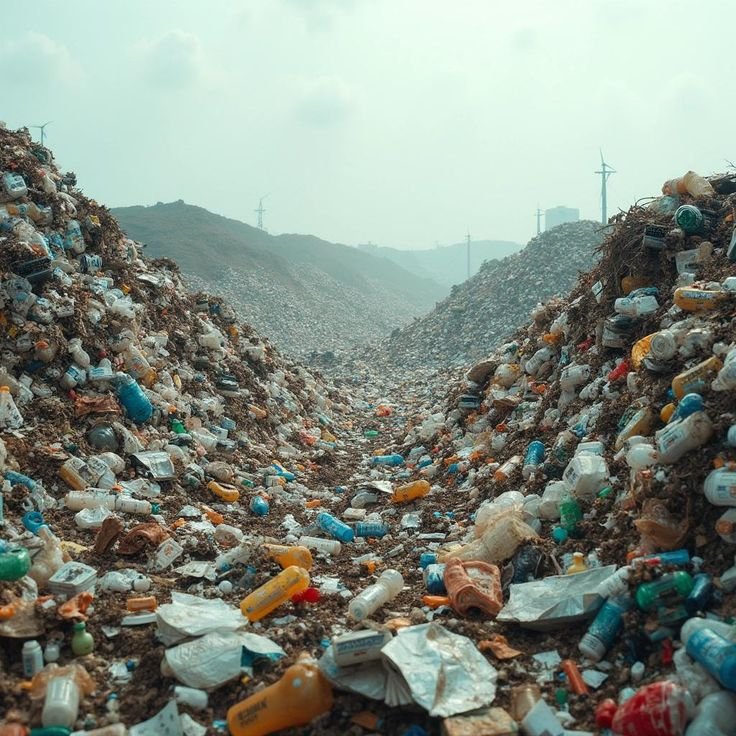
As environmental awareness continues to grow, many people are becoming more concerned about the amount of waste produced in daily life. From plastic packaging to food waste, households generate large quantities of trash that often end up in landfills or pollute natural ecosystems. One solution that has gained attention in eco-living discussions is zero-waste living. Zero-waste living is a lifestyle that aims to minimize waste by reducing consumption, reusing materials, and recycling responsibly. The goal is not necessarily to produce absolutely no waste, but rather to reduce unnecessary waste as much as possible.
Understanding the Zero-Waste Philosophy.
The zero-waste concept is built around the idea that many of the products people throw away could actually be reused, repaired, or recycled. Instead of following a “use and dispose” culture, the zero-waste lifestyle promotes responsible consumption and sustainable habits. The philosophy often follows what is known as the 5 R principles:
- Refuse – Avoid products that create unnecessary waste, especially single-use plastics.
- Reduce – Limit consumption by buying only what is truly needed.
- Reuse – Use durable items that can be used multiple times instead of disposable ones.
- Recycle – Properly sort and recycle materials that cannot be reused.
- Rot (Compost) – Turn organic waste such as food scraps into compost for soil.
These principles help individuals reduce their environmental footprint while promoting responsible use of resources.
Reducing Household Waste.
Most household waste comes from everyday products such as packaging, food containers, and disposable items. By making small adjustments in daily habits, families can significantly reduce the amount of waste they produce.
Some simple ways to reduce household waste include:
- Buying products with minimal or recyclable packaging
- Choosing refillable household products instead of disposable ones
- Using cloth towels instead of paper towels
- Replacing disposable cleaning products with reusable cleaning cloths
- Avoiding unnecessary plastic packaging when shopping
These small changes may seem minor, but when practiced consistently, they can significantly reduce household waste.
Reducing Plastic Use.
Plastic pollution has become one of the most serious environmental challenges worldwide. Many plastic products are used only once but take hundreds of years to decompose. Reducing plastic consumption is an important step toward zero-waste living. Practical ways to reduce plastic include:
- Carrying a reusable water bottle instead of buying bottled water
- Using reusable shopping bags when purchasing groceries
- Avoiding plastic straws and disposable cutlery
- Choosing products packaged in glass, metal, or paper instead of plastic
- Buying in bulk quantities to reduce packaging waste
Reducing plastic waste helps protect oceans, wildlife, and ecosystems from pollution.
Managing Food Waste.
Food waste is another major contributor to environmental problems. When food is thrown away, it not only wastes the food itself but also the resources used to produce it, such as water, energy, and labor. Reducing food waste can be achieved through better planning and responsible consumption.
Some effective strategies include:
- Planning meals in advance to avoid overbuying food
- Properly storing food to extend its shelf life
- Using leftovers creatively in new meals
- Composting food scraps instead of throwing them away
- Buying only the amount of food that will be consumed
Reducing food waste helps conserve natural resources and reduces methane emissions from landfills.
Choosing Reusable Alternatives.
One of the easiest ways to adopt a zero-waste lifestyle is by replacing disposable products with reusable alternatives. Reusable products are designed to last longer and produce less waste over time.
Examples of reusable alternatives include:
- Reusable food containers instead of disposable packaging
- Cloth shopping bags instead of plastic bags
- Metal or bamboo straws instead of plastic straws
- Rechargeable batteries instead of single-use batteries
- Reusable coffee cups for takeaway beverages
Although reusable products may cost more initially, they often save money in the long term because they can be used repeatedly.
Community Efforts Toward Zero Waste.
Zero-waste living is not only an individual effort but also a community initiative. Many communities around the world are adopting programs that encourage waste reduction and recycling. Examples of community initiatives include:
- Local recycling and composting programs
- Community clean-up campaigns
- Educational programs about waste management
- Businesses adopting eco-friendly packaging
When communities work together to reduce waste, they can create cleaner and healthier environments for everyone.
Conclusion.
Zero-waste living is a practical and effective approach to reducing environmental pollution and conserving natural resources. By adopting simple habits such as reducing plastic use, managing food waste, and choosing reusable products, individuals can significantly lower the amount of waste they produce. While achieving complete zero waste may be challenging, every small effort contributes to a more sustainable future. When more people adopt responsible consumption habits, the collective impact can lead to cleaner communities, healthier ecosystems, and a more environmentally balanced world.