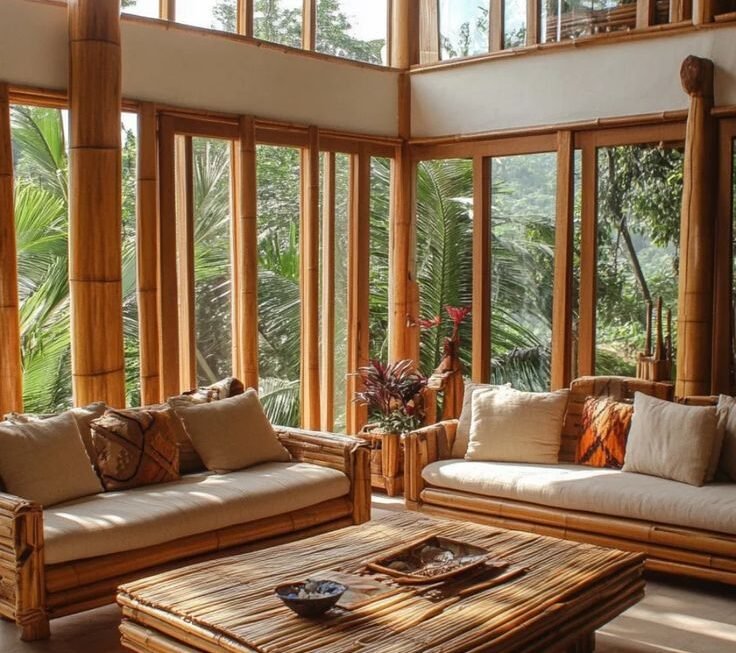









Introduction.
This modern life often encourages accumulation. Advertisements constantly suggest that happiness lies in the next purchase that is; a larger television, a new wardrobe, upgraded furniture, or the latest gadget. Over time, homes become filled with possessions that once felt necessary but now sit unused. Amid this culture of consumption, a different philosophy has emerged: minimalism. More than a design aesthetic, minimalism is a conscious decision to live with intention and lead to reduction of excess. At its core, minimalism is closely tied to sustainability. By choosing to own fewer, more purposeful items, individuals reduce waste, conserve resources, and lessen their environmental footprint. The minimalist home is not empty; it is intentional. It reflects a shift from mindless consumption toward thoughtful living.
Understanding the Environmental Cost of Excess.
Every product we buy carries an environmental cost
- Raw materials must be extracted, chemically treated, processed, packaged, and transported. Factories consume energy in production and extraction of the products and also use a lot of water for; cooling the machines and also cleaning the raw products before processing. Transportation relies on fuel which might be expensive due to distance barrier. When products are discarded, they often end up in landfills, where they may take years to decompose.
- The culture of “buy and replace” accelerates this cycle. Cheaply made items wear out quickly, encouraging frequent repurchasing. This continuous demand places pressure on natural resources and contributes to pollution. When products are designed with short lifespans, manufacturers must constantly extract new raw materials such as timber, metals, and petroleum-based plastics to meet ongoing consumer demand. This repeated extraction depletes natural ecosystems, contributes to deforestation, and increases greenhouse gas emissions from mining and manufacturing processes. In addition, the production of low-quality goods often prioritizes speed and cost over environmental responsibility, leading to excessive energy use and waste generation in factories.
Minimalism interrupts this cycle. When consumers choose quality over quantity, they reduce demand for mass production. Fewer purchases mean fewer resources extracted and less waste generated.
Key Principles of a Sustainable Minimalist Home.
Living with less on the planet does not require drastic lifestyle changes overnight. Instead, it begins with simple principles done consistently.
- Intentional purchasing becomes a habit. Before buying something new, minimalist households ask whether the item serves a real purpose or merely satisfies a temporary desire. This pause prevents impulse spending and unnecessary accumulation.
- Durability becomes a priority. Investing in well-made furniture, clothing, and appliances may cost more initially but reduces long-term waste. Durable items last longer and often require fewer replacements.
- Decluttering is done responsibly. Items that are no longer needed can be donated, sold, or recycled instead of thrown away. Extending the life cycle of products reduces landfill contributions.
- Smaller living spaces naturally consume less energy. Compact homes require less electricity for lighting and cooling, reducing overall environmental impact.
Psychological and Financial Benefits.
Minimalism also offers personal advantages. Cluttered environments can create mental fatigue. When spaces are crowded with unused possessions, they can feel overwhelming. A simplified environment promotes calmness and focus.
Financially, reduced consumption leads to significant savings. Money once spent on nonessential items can be redirected toward meaningful experiences, investments, or savings goals. This shift from material accumulation to intentional spending often brings greater long-term satisfaction.
Minimalism encourages people to evaluate what truly adds value to their lives. In doing so, it strengthens both personal well-being and environmental responsibility.
Challenges in Adopting Minimalism.
Transitioning to a minimalist lifestyle may feel uncomfortable at first. Emotional attachment to belongings can make decluttering difficult. Social pressure also plays a role, as consumer culture often equates ownership with success.
However, minimalism does not demand perfection. It is not about owning as little as possible; it is about owning what matters. Gradual changes — such as reducing unnecessary purchases or organizing spaces more efficiently — can lead to meaningful progress over time.
Some of the common challenges include:
- Emotional Attachment to Possessions. Many items carry sentimental value. Gifts from loved ones, childhood belongings, or items linked to important memories can make decluttering emotionally overwhelming. Letting go may feel like discarding a part of one’s personal history, even when the item no longer serves a practical purpose.
- Fear of Future Need. People often hold onto items “just in case.” The uncertainty of future circumstances can make it difficult to release unused belongings.
- Social Expectations and Comparison. Society frequently associates success with visible signs of wealth — large homes, luxury items, and constant upgrades.
- Habitual Consumer Behavior
- Initial Time and Effort Required.
Conclusion.
The minimalist home represents more than a design trend. It is a practical response to environmental challenges and consumer culture. By reducing excess and prioritizing intention, individuals can lower their ecological footprint while enhancing personal clarity and financial stability.
Living with less does not mean sacrificing comfort. Instead, it creates space — physically and mentally — for what truly matters. In choosing simplicity, households take a powerful step toward sustainability, proving that responsible living begins within the walls of our own homes.