








Introduction.
If you turn and look at your dust bin you will find; plastics wrappers, food scraps, empty plastics, paper packaging. Now imagine everything in the bin being buried underground or burned after you through them away. All this goes somewhere because out of sight doesn’t mean out of existence. Zero-waste living is not about fitting your entire year’s garbage into a small jar, its about becoming aware of what wee throw away and asking ourselves a simple question: ” Perfection is not a goal, progress it is.
What is waste.
Most of the people think and believe that waste is useless and once thrown away its value ends, but in real world many of the items we discard still have value. Some of the disposed items but have still existing value includes;
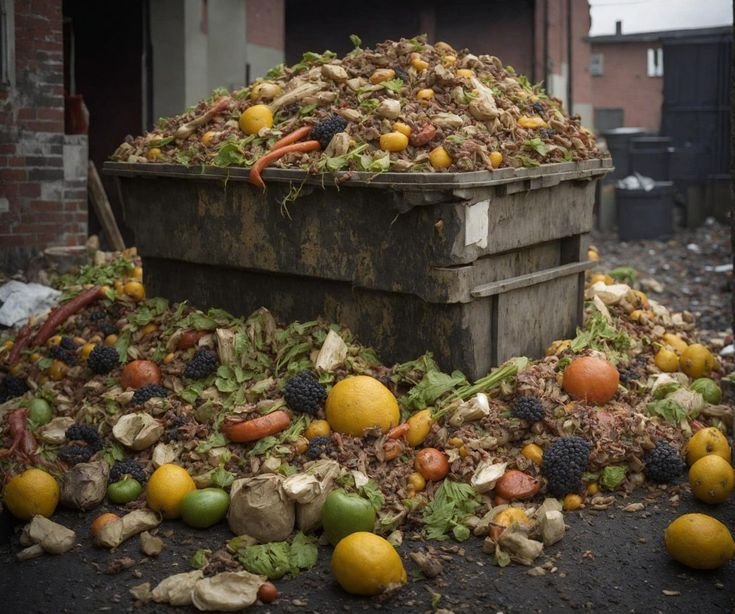
- Food remains. If reused can be used in creating composed manure.
- Glass jar. If recycled can be used as a storage containers.
- Old and toned clothes. They can be used as cleaning rags at homes, hospitals, schools, etc.
- Cardboard boxes which can be reused for storage or creative projects.
This concept shifts our thinking from “throw it away ” to “In which way can I reuse this item?” The mindset alone reduces a surprising amount of trash.
Highest contributors of waste in our households.
According to Kenyan statistics, it has being noticed that many of the waste comes from the following.
- Food packaging. People tend to purchase food at daily basis. These food products are usually rapped by packaging materials and people just dispose the packaging materials.
- Single-use plastics. Some plastics are usually to be used for once. like medical bottles or containers.
- Food remains. Many people tend to dispose the remaining foods instead of reusing the food in manure.
- Toned clothes. The old clothes and the toned clothes are found being disposed in trash bin.
Many items are used for just a few moments and end up lasting in the environment for decades. For an example; a water bottle is used just for a few minutes then disposed in the field the hundreds years.
simple steps to follow in achieving the zero-waste living.
Here are small and simple steps that are powerful in achieving the zero-waste living;
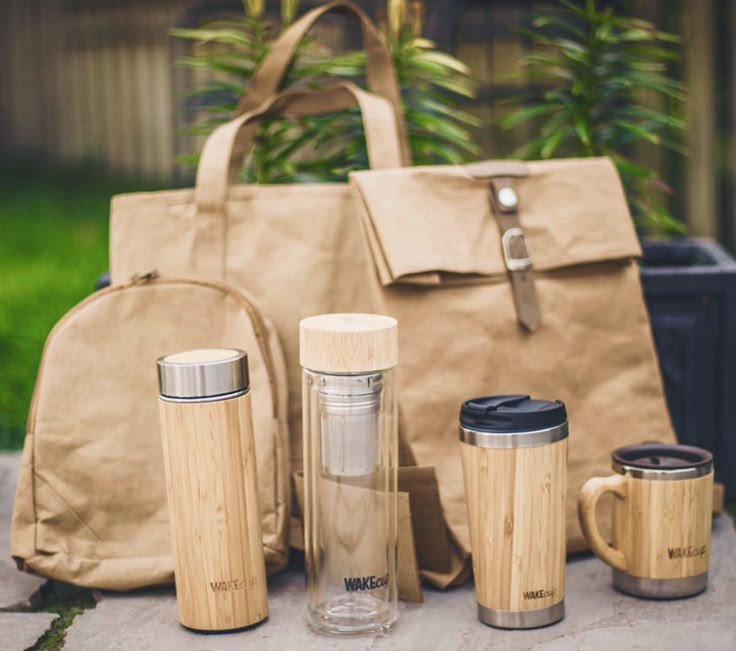
- Re-using of items. Reusable shopping bags, water bottles, and food containers immediately reduce waste. These are simple swaps that quickly become habit. This also leads to few purchasing costs.
- Composting food to create manure. Fruit peels, vegetable leftovers, and coffee grounds can turn into nutrient-rich compost for gardens or potted plants. Instead of rotting in landfills, they return to the soil. The compost helps in agriculture.
- Purchasing what you only need to use. Impulse buying often leads to unused items that eventually become trash. Being intentional about purchases reduces waste before it even enters your home.
- Choose Products With Less Packaging. Whenever possible, choose items with minimal or recyclable packaging. Small decisions at the store influence long-term environmental impact.
- Repair Before Replacing. A torn shirt or broken chair does not automatically need replacing. Repairing items extends their life and reduces unnecessary consumption.
The Emotional Side of Waste.
Zero-waste living is not only about the environment. It changes how people feel about their homes.
- When clutter decreases, space feels calmer. People feel comfortable with a calmer space
- When purchases are intentional, spending feels purposeful.
- When less is thrown away, guilt decreases.
There is something empowering about knowing you are part of the solution rather than contributing to the problem.
Impact to the society
It may seem a small impact if one household reduces waste but it is seen beneficial to the society if each house reduces waste. Reduction of waste brings by some impacts to the community, including;
- Reducing waste creates cleaner streets. This cleaner streets make the society comfortable.
- Repairing items costs less than replacing them. Through this process many people saves alot of many from the purchasing of the items.
- The activity leads to thriving of local repair business. As people tend to repair there items, they make the repair industry to thrive.
- It also leads to employment. Many people will have recycling jobs or repairing jobs.
Zero-waste living also inspires conversations. When neighbors see reusable bags or compost bins, they become curious. Change spreads quietly.
Common misunderstanding about this concept.
Some people think zero-waste living is expensive or extreme. In reality, it often saves money.
Buying fewer disposable items reduces spending.
Repairing items costs less than replacing them.
Cooking at home reduces packaged food waste.
The key is understanding that zero-waste is not about doing everything perfectly. It is about making better choices more often.
Conclusion
Zero-waste living begins with awareness. Every item thrown away tells a story of resources used and energy spent. By slowing down and rethinking our habits, we discover that much of what we call “trash” still has value.
The journey does not require dramatic changes. It starts with a reusable bag, a compost bin, or a simple decision to repair instead of replace. Over time, these small actions add up.
Waste is not inevitable. It is often preventable. And when we begin to see waste as an opportunity rather than an endpoint, we move closer to a more sustainable, creative, and responsible way of living.