







Introduction.
Water is life. Yet, for many urban households, access to clean water can feel limited. Rising bills, unpredictable supply, and droughts make city living challenging. But what if the solution was literally falling from the sky? Rainwater harvesting — the simple act of collecting and using rainwater — is more than a rural practice. It’s an urban survival skill, a way to save money, and a step toward environmental responsibility. In small spaces, even a single balcony or rooftop can become a source of water. Urban rainwater harvesting is not just practical; it’s empowering. Every drop collected reduces reliance on municipal supply, lowers bills, and protects the environment. With a little creativity, city dwellers can turn rainfall into opportunity.
Impacts of Rainwater Harvesting in Cities.
Urban homes face unique challenges: limited space, high water demand, and dependence on municipal water. Collecting rainwater can help address these problem’s. Harvesting rainwater It has some environmental, financial, and health benefits which includes;
Environmental Benefits.
- Reduces Pressure on Water Supply – Municipal systems are often overburdened. Using rainwater decreases demand.
- Prevents Runoff Pollution – Rainwater can wash chemicals, dirt, and waste into drains. Collecting it reduces storm water pollution.
- Conserves Energy – Treating and pumping municipal water consumes electricity. Using rainwater lowers energy use.
Financial benefits.
- Lower Water Bills – Using rainwater for laundry, cleaning, or gardening reduces your monthly water cost.
- Long-Term Savings – A simple rainwater collection system requires an initial setup, but it pays off over time.
- Reduced Infrastructure Repair Costs. When rainwater is collected instead of flowing freely around the house, it reduces flooding and water accumulation near the foundation.
- Increased Property Value. Homes with sustainable features such as rainwater harvesting systems are becoming more attractive to buyers and tenants.
Health Benefits.
When properly filtered, rainwater can be a safe alternative for plants, cleaning, and even emergency drinking water. Reducing dependency on stored bottled water also decreases plastic waste.
How to Harvest Rainwater in Small Urban Spaces.
Even apartments or small homes can benefit. Here are simple techniques:
1.Rooftop Collection.
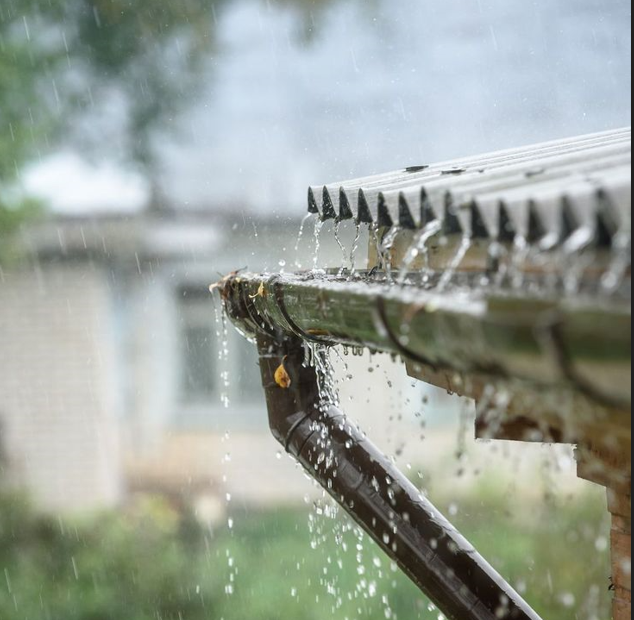
- Install gutters along the roof edge.
- Direct water into storage tanks or barrels.
- Cover storage containers to prevent debris and mosquitoes.
Rooftop collection is the most effective method, capturing large volumes during heavy rains.
2. Balcony or Terrace Containers.
For apartments without access to a roof, small containers on balconies or terraces can collect rainfall. Even a 20-liter bucket can make a difference over time.
- Use a mesh cover to keep leaves and insects out.
- Rotate water use for plants, cleaning, or flushing toilets.
3. Rain Barrels and Tanks.
- Plastic barrels, drums, or purpose-built rainwater tanks work well.
- Ensure proper filtration and a tap for easy access.
- Connect multiple barrels if space allows.
Even modest storage can save hundreds of liters during rainy seasons.
4. DIY Collection Systems.
- Reuse old containers like buckets, large jars, or drums.
- Funnel rainwater from gutters into these containers.
- Add simple filters using cloth or mesh.
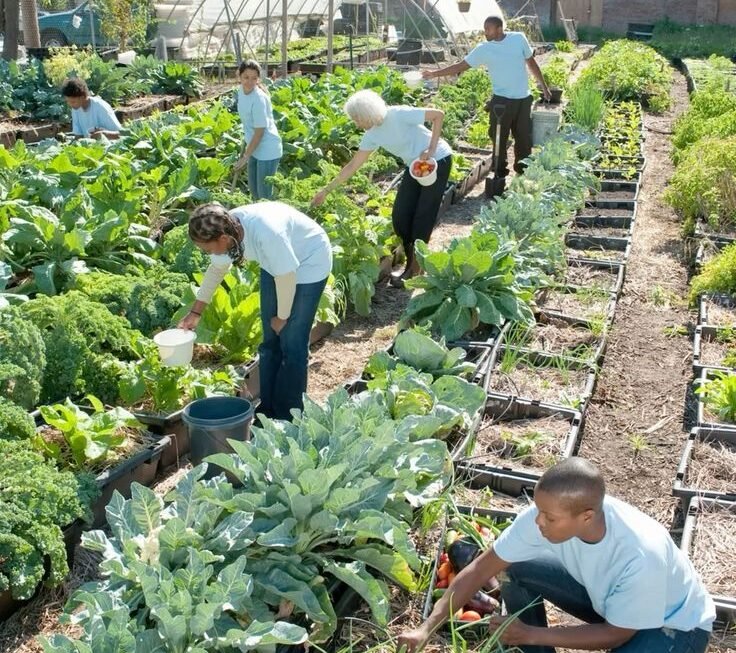
Urban gardening enthusiasts often combine rainwater harvesting with container gardening — watering plants using collected rainwater.
Using Rainwater Responsibly.
Collected rainwater can be used in many ways:
- Gardening – Water potted plants, vertical gardens, or balcony vegetables.
- Cleaning – Floors, dishes, and laundry.
- Flushing Toilets – Reduces municipal water use significantly.
- Emergency Drinking Water – After proper treatment like boiling, filtration, or chemical purification.
Even simple uses reduce reliance on treated municipal water.
Safety Tips for Urban Rainwater Harvesting.
- Cover containers to prevent mosquito breeding.
- Clean gutters and storage tanks regularly.
- Avoid storing water for more than 7–10 days without treatment.
- Filter water if used for cleaning or human consumption.
- Use separate systems for drinking water and non-potable uses.
Financial and Lifestyle Benefits.
Beyond environmental impact, rainwater harvesting has real personal advantages:
- Reduces water bills month after month.
- Supports urban gardening and fresh produce at home.
- Promotes self-sufficiency — you are less affected by water shortages.
- Encourages family members to engage in sustainable living.
Even a small barrel on a rooftop or balcony is a step toward independence and eco-conscious living.
A Small Action With Big Impact.
Imagine if every home in Nairobi or Mombasa collected just a fraction of rainfall:
- Less demand on municipal supply
- Fewer clogged storm drains
- Lower energy consumption
- Greener urban spaces
Urban rainwater harvesting is not just about individual households. It’s a community movement. Small actions collectively reduce environmental pressure, making cities cleaner, greener, and more resilient.
Conclusion.
Rainwater harvesting in urban spaces proves that sustainability is not limited by space. Even in a small apartment or a tiny yard, every drop counts. The sky provides a resource we often take for granted. Collecting and using rainwater is simple, cost-effective, and environmentally responsible. It saves money, reduces waste, and empowers city dwellers to live sustainably. Urban gardening, cleaning, and daily chores can all benefit from harvested rain. With small effort and creativity, cities can become greener, healthier, and more independent. So, next time it rains, don’t let the water go to waste. Turn your rooftop, balcony, or terrace into a source of life.