








Introduction.
We are living in a time of convenience. With one click, food arrives at our door. With one swipe, we buy clothes, gadgets, and accessories from across the world. Plastic packaging surrounds almost everything we touch. While modern life has made things easier, it has also quietly increased waste, pollution, and environmental strain. The question is no longer whether the planet is changing — it is whether our habits will change with it.
Eco-living is not about perfection. It is not about living in the forest or giving up comfort. It is about awareness. It is about making smarter choices that protect the environment while still living productively in today’s world. It is a mindset that says, “I understand my impact, and I choose better.”
For those building a life and career in a fast-moving world, Eco-Living is not a limitation — it is a powerful advantage.
Eco-Living Begins with Awareness
Every product we use has a story. A plastic bottle did not simply appear on a shelf. It required oil extraction, manufacturing, transportation, packaging, and eventually disposal. When we start asking, “Where did this come from?” and “Where will it end up?” we begin thinking differently.
Awareness changes spending habits. Instead of buying impulsively, we pause. We evaluate durability, necessity, and environmental impact. This shift alone reduces waste dramatically.
For example, choosing reusable water bottles, cloth shopping bags, or refillable containers may seem small. Yet over a year, these small adjustments can prevent hundreds of single-use plastics from entering landfills or oceans. The impact multiplies when communities adopt similar habits.
Sustainable Consumption Is Smart Consumption
Eco-living is not about spending more; it is about spending wisely. Fast fashion, cheap electronics, and disposable products may look affordable in the short term, but they often cost more over time due to frequent replacement.
Buying high-quality, durable items reduces waste and saves money long term. A well-made pair of shoes that lasts three years is better than three cheap pairs that fall apart quickly. The same logic applies to appliances, furniture, and even digital devices.
Sustainable consumption also encourages minimalism. When we own fewer but better things, life becomes less cluttered. Financial stress reduces. Decision-making becomes easier. Eco-living, therefore, improves both environmental and personal well-being.
Energy and Resource Responsibility
One of the most impactful aspects of Eco-Living lies in how we use energy and natural resources. Electricity, water, and fuel are often taken for granted. Yet each has environmental costs.
Simple actions make a difference:
- Turning off lights when not in use
- Using energy-efficient bulbs
- Reducing water waste
- Choosing public transport or walking when possible
These actions do not require dramatic lifestyle changes. They require discipline and mindfulness. Over time, they reduce carbon footprints and utility costs simultaneously.
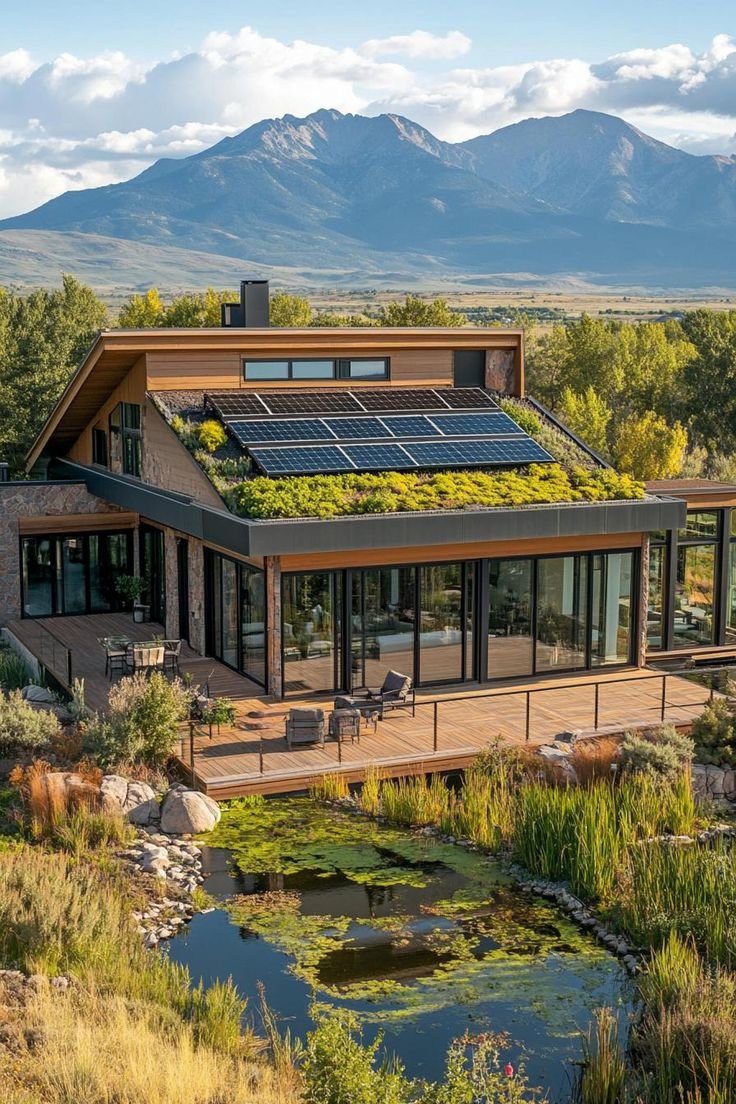
In many developing regions, sustainable practices such as solar energy adoption and rainwater harvesting are becoming increasingly accessible. Eco-living encourages embracing such innovations rather than relying solely on traditional resource consumption.
Supporting Local and Ethical Businesses
Eco-living extends beyond personal habits; it influences economic choices. Supporting local farmers, artisans, and small businesses reduces transportation emissions and strengthens community economies.
When food is sourced locally, it travels shorter distances. This reduces fuel consumption and preserves freshness. Ethical businesses that prioritize sustainable materials and fair labor practices also contribute to a healthier global system.
Every purchase becomes a vote. When consumers choose environmentally responsible brands, companies are encouraged to improve sustainability standards. In this way, eco-living creates ripple effects beyond individual households.
Waste Reduction as a Lifestyle
Waste does not disappear when thrown away. It simply moves elsewhere — often to landfills, oceans, or incineration plants. Eco-living promotes a circular mindset: reduce, reuse, recycle.
Reducing waste starts with refusing unnecessary items — extra packaging, disposable cutlery, or products with excessive wrapping. Reusing means repairing broken items instead of discarding them. Recycling ensures materials are processed responsibly when they reach the end of their life cycle.
Composting organic waste is another powerful practice. Food scraps can return to the soil instead of contributing to methane emissions in landfills. These habits, when adopted consistently, significantly lower environmental impact.
Eco-Living and Future Generations
Perhaps the most powerful motivation behind eco-living is responsibility toward future generations. The environmental choices made today will shape the world tomorrow’s children inherit.
Climate change, pollution, and resource depletion are not abstract issues. They affect food supply, health, economic stability, and global security. Choosing sustainable habits now reduces long-term damage.
Young people especially have an opportunity to redefine normal living standards. By integrating sustainability into education, careers, and entrepreneurship, they can innovate solutions that align profit with environmental care.
Eco-living, therefore, is not only about conservation; it is about innovation. It challenges individuals to think creatively about how to build systems that are efficient, profitable, and environmentally responsible.
Conclusion
Eco-living is not a trend. It is a necessary evolution. It does not demand perfection or extreme sacrifice. It demands intention. It asks us to pause before purchasing, to think before wasting, and to consider the broader impact of everyday actions.
In a world driven by speed and consumption, choosing sustainability is an act of strength. It shows discipline. It reflects awareness. It demonstrates leadership. Every reusable item, every conscious purchase, every energy-saving habit contributes to a larger transformation. Alone, these actions may seem small. Together, they create a powerful movement toward balance between progress and preservation. The future will not be shaped only by governments or corporations. It will be shaped by individuals who decide that convenience should not cost the planet. Eco-living is not about limiting life; it is about protecting it.