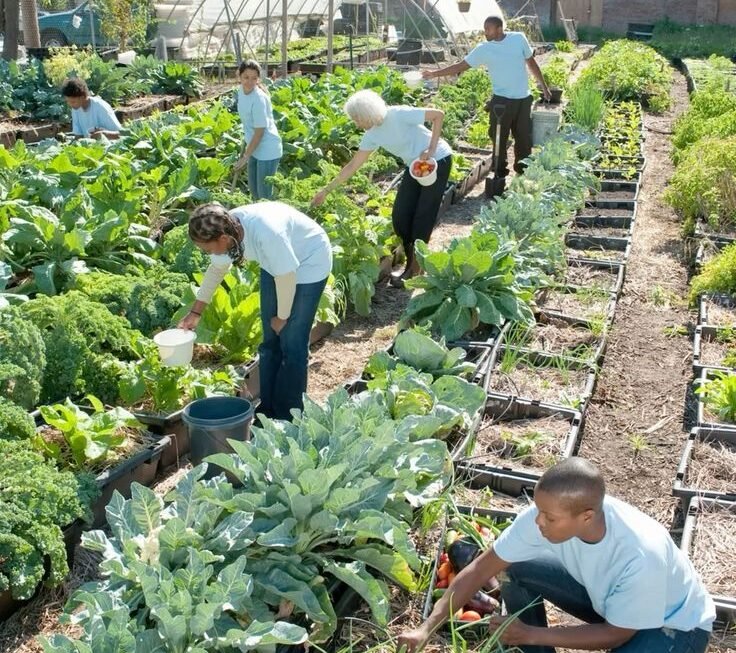









Introduction.
Culture plays a powerful role in shaping how people live, eat, travel, and interact with the environment. For many generations, communities around the world developed traditions that respected nature and used resources carefully. Long before the term eco-living became popular, many cultural practices already promoted sustainability through simple and mindful ways of living. Traditional lifestyles often emphasized balance between human needs and natural resources. People reused materials, valued locally produced goods, and avoided unnecessary waste. These practices were not only practical but also deeply connected to cultural identity and community values. In modern times, rapid industrialization and consumer culture have changed many of these traditions. Mass production, plastic packaging, and fast consumption have replaced many of the slower, more sustainable habits that once defined daily life. As a result, some valuable cultural practices that supported environmental balance have gradually disappeared. However, there is growing interest in rediscovering traditional knowledge and cultural habits that promote eco-living. By reconnecting with cultural wisdom, communities can find practical ways to live sustainably while preserving their heritage.
Traditional Practices That Support Sustainability.
Many traditional cultures naturally developed environmentally friendly habits. These practices were often based on necessity, but they also reflected respect for nature. Some traditional eco-friendly practices include:
- Using natural materials
In many communities, household items were made from natural materials such as wood, clay, bamboo, and woven fibers. These materials were biodegradable and could return to the earth without causing pollution. - Repairing and reusing items
Instead of discarding broken tools or household goods, people often repaired them or repurposed them for different uses. Clothing was patched, furniture was restored, and containers were reused multiple times. - Cooking with locally available ingredients
Traditional diets often relied on locally grown foods, which reduced the need for long-distance transportation and packaging. Seasonal eating also helped communities use what nature provided at the right time. - Community sharing systems
In many cultures, communities shared resources such as tools, farmland, or food during harvest seasons. This cooperation reduced waste and strengthened social bonds.
These practices show that sustainability has deep cultural roots in many societies.
Cultural Festivals and Environmental Awareness.
Cultural festivals and celebrations are important moments when communities come together to honor traditions and values. These events also provide an opportunity to promote environmental responsibility.
Some festivals have begun adopting eco-friendly practices such as reducing plastic decorations, using biodegradable materials, and encouraging recycling during events. Traditional decorations made from leaves, flowers, or natural fabrics can replace synthetic materials that harm the environment.
Food preparation during cultural celebrations can also become more sustainable by reducing food waste and using reusable plates or utensils instead of disposable plastics.
By incorporating environmental awareness into cultural events, communities can celebrate heritage while also protecting the environment.
The Role of Indigenous Knowledge.
Indigenous communities around the world possess valuable knowledge about living in harmony with nature. Their traditions often emphasize conservation, respect for wildlife, and responsible use of land and water.
For example, some communities practice sustainable farming methods that protect soil fertility and biodiversity. Others maintain forest conservation traditions that limit excessive harvesting of natural resources.
This knowledge has been passed down through generations and offers important lessons for modern environmental challenges. Protecting and respecting indigenous cultural knowledge is therefore essential for building a more sustainable future.
Learning from these traditions can help modern societies develop environmentally responsible practices that combine traditional wisdom with modern technology.
Reviving Cultural Habits for Modern Eco-Living.
Many traditional practices can be adapted to support eco-living in modern households. While lifestyles have changed, the principles behind these habits remain relevant. Some examples of reviving cultural sustainability include:
- Using traditional baskets or cloth bags instead of plastic bags when shopping.
- Preparing home-cooked meals using local ingredients instead of relying heavily on processed foods.
- Repairing clothing and household items rather than replacing them immediately.
- Supporting local artisans who produce handmade goods using sustainable materials.
These actions help preserve cultural traditions while reducing environmental impact.
Cultural Identity and Environmental Responsibility.
Cultural traditions often carry important messages about respect, responsibility, and balance. When people reconnect with these values, they may develop a deeper sense of responsibility toward the environment.
Eco-living is not only about modern environmental science or technology. It is also about values that encourage careful use of resources and appreciation of nature.
When cultural heritage promotes sustainability, communities are more likely to adopt environmentally responsible behaviors. Cultural pride can therefore become a powerful force in protecting natural ecosystems.
Conclusion.
Culture and environmental sustainability are closely connected. Many traditional practices that were once part of everyday life naturally supported eco-living by encouraging resource conservation, reuse, and respect for nature.
Although modern lifestyles have changed many of these traditions, their wisdom remains valuable today. By rediscovering and adapting cultural habits that promote sustainability, communities can reduce waste, protect natural resources, and strengthen their cultural identity.
Cultural festivals, traditional knowledge, and community values all offer opportunities to promote environmentally responsible living. When people celebrate their heritage while protecting the environment, they create a future that honors both tradition and sustainability.
Ultimately, eco-living does not always require new inventions. Sometimes, the most powerful solutions come from the cultural wisdom that has guided communities for generations.