








Introduction.
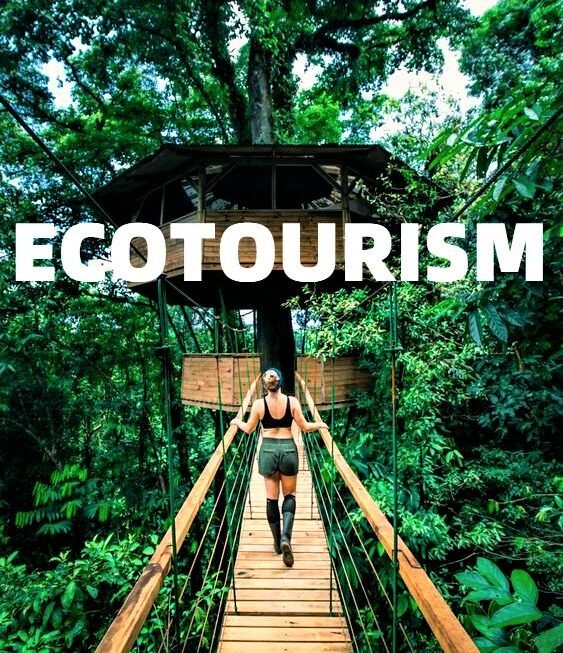
Travel is one of the most exciting ways to experience the world. It allows people to discover new cultures, landscapes, foods, and traditions. However, tourism can also have a significant impact on the environment. Air travel, plastic waste, and overuse of natural resources can damage ecosystems if tourism is not managed responsibly. Eco-friendly travel, also known as sustainable tourism, focuses on exploring the world while minimizing environmental harm. It encourages travelers to make responsible choices that protect nature, support local communities, and preserve cultural heritage.
Why Eco-Friendly Travel Matters.
The tourism industry is one of the fastest-growing industries globally. While this growth creates economic opportunities, it can also put pressure on natural environments and local communities. Eco-friendly travel helps reduce these negative impacts by promoting responsible tourism practices. When travelers choose sustainable options, they help conserve wildlife, protect natural landscapes, and support local economies.
Some key benefits of eco-friendly travel include:
- Reducing environmental damage caused by mass tourism
- Supporting local communities through local businesses and services
- Protecting wildlife and ecosystems from harmful activities
- Promoting cultural respect and preservation
By making small but thoughtful decisions, travelers can significantly reduce their environmental footprint.
Choosing Sustainable Transportation.
Transportation is one of the biggest contributors to carbon emissions in tourism. Making smarter transportation choices can reduce the environmental impact of travel. Some eco-friendly transportation options include:
- Using public transport such as trains or buses instead of renting private vehicles
- Choosing direct flights when air travel is necessary, as multiple flights increase emissions
- Walking or cycling when exploring cities
- Using electric or hybrid transport options where available
These alternatives not only reduce pollution but also allow travelers to experience destinations more closely and authentically.
Eco-Friendly Accommodation Choices.
Where travelers stay can also influence the environmental impact of their trip. Many hotels and lodges are now adopting sustainable practices to reduce waste and conserve energy. When choosing accommodation, travelers can look for places that:
- Use renewable energy sources such as solar power
- Practice water conservation methods
- Minimize single-use plastics
- Support local employment and suppliers
Eco-lodges and green hotels often integrate natural surroundings into their design while maintaining environmental responsibility.
Reducing Waste While Traveling.
Travel often leads to increased waste, especially from plastic bottles, food packaging, and disposable items. Being mindful of waste can make a big difference. Simple ways travelers can reduce waste include:
- Carrying a reusable water bottle
- Using reusable shopping bags
- Avoiding single-use plastic items such as straws and cutlery
- Properly disposing of or recycling waste
These small habits can significantly reduce pollution in popular tourist destinations.
Respecting Wildlife and Natural Environments.
Wildlife tourism can be a wonderful experience, but it must be done responsibly. Some activities may appear harmless but actually harm animals and ecosystems.
Responsible travelers should:
- Avoid attractions that exploit wildlife
- Observe animals from a safe distance
- Never feed wild animals
- Follow park rules and conservation guidelines
Protecting wildlife ensures that future generations will also be able to enjoy these natural wonders.
Choosing Eco-Friendly Travel Destinations.
Some destinations actively promote sustainable tourism and environmental protection. Choosing these destinations helps support conservation efforts and responsible tourism initiatives. When selecting a travel destination, travelers should consider places that:
- Protect natural ecosystems and wildlife reserves
- Encourage community-based tourism programs
- Promote environmental education and conservation awareness
- Limit over-tourism in fragile environments
Eco-conscious destinations often invest in protecting forests, beaches, mountains, and marine ecosystems while still welcoming visitors responsibly.
Conserving Energy and Water During Travel.
Many travelers forget that simple daily habits can affect the environment when staying in hotels or resorts. Being mindful of energy and water consumption helps reduce the overall environmental impact of tourism.
Travelers can practice conservation by:
- Turning off lights, air conditioning, and electronics when leaving the room
- Taking shorter showers to conserve water
- Reusing hotel towels and bedding instead of requesting daily replacements
- Avoiding unnecessary laundry services
These small actions may seem minor, but when practiced by thousands of travelers, they can significantly reduce resource consumption.
Supporting Local Communities.
One of the most important aspects of sustainable tourism is supporting local communities. When tourism benefits local people, it becomes a powerful tool for economic development.
Travelers can support communities by:
- Buying locally made products and crafts
- Eating at local restaurants instead of international chains
- Hiring local tour guides
- Learning about local culture and traditions
These actions help ensure that tourism income directly benefits the communities that host visitors.
Conclusion.
Travel has the power to inspire, educate, and connect people from different parts of the world. However, it also comes with responsibility. Eco-friendly travel encourages people to explore the planet while protecting it. By choosing sustainable transportation, responsible accommodations, reducing waste, respecting wildlife, and supporting local communities, travelers can make a positive impact wherever they go. Sustainable tourism reminds us that the beauty of our planet is not something to exploit but something to protect. When travelers become more conscious of their environmental impact, tourism can become a force for conservation and positive change.