








Introduction.
When most people think about saving the environment, they imagine large-scale projects like planting forests or banning plastic entirely. While these efforts are important, the truth is that small, everyday actions can create a ripple effect that influences communities, industries, and even global habits. Eco-living is not just about personal responsibility—it is about realizing that your daily choices matter.
Understanding the Ripple Effect.
The ripple effect is simple: one small action creates a series of consequences that extend beyond its immediate impact. In eco-living, this could mean:
- Using a reusable water bottle inspires friends or coworkers to do the same.
- Choosing local, seasonal produce encourages farmers to adopt sustainable practices.
- Sharing eco-friendly ideas online spreads awareness to hundreds or thousands of people.
Even minor actions, when multiplied across many individuals, can shift societal norms and influence industries to adopt greener practices.
Rethinking Consumption.
A major source of environmental strain comes from how we consume products. Modern lifestyles often rely on convenience and disposable goods, which create waste and deplete resources. Ways to make consumption eco-conscious:
- Buy only what you need: Avoid impulse purchases and reduce clutter.
- Choose quality over quantity: Durable products last longer, reducing overall waste.
- Support sustainable brands: Companies notice trends; demand for eco-friendly products increases supply.
- Repurpose or repair items instead of discarding them.
When consumers prioritize sustainability, businesses follow, creating a larger ripple effect in production, packaging, and logistics.
Rethinking Energy Use.
Energy consumption is one of the largest contributors to carbon emissions. Small actions in energy use not only save money but also influence neighbors and communities to adopt similar habits. Some impactful choices include:
- Switching to renewable energy sources like solar panels.
- Turning off unused devices and unplugging electronics.
- Using energy-efficient lighting such as LEDs.
- Encouraging workplaces to adopt energy-saving measures.
The combined effect of these small actions can reduce electricity demand significantly, lowering pollution and inspiring wider change.
Rethinking Waste.
Waste management is another area where everyday choices have a ripple effect. Simple habits can dramatically reduce environmental impact:
- Composting organic waste not only reduces landfill pressure but also enriches soil.
- Recycling responsibly prevents plastics, metals, and glass from polluting ecosystems.
- Sharing or donating unused items extends their life and reduces resource consumption.
- Participating in local clean-up drives creates community awareness and inspires collective action.
These choices demonstrate to others that sustainable habits are feasible, encouraging community-wide adoption.
Rethinking Transportation.
Transportation emissions are a major environmental challenge. Adopting eco-friendly travel habits influences social norms and encourages infrastructure development for greener alternatives. Ways to reduce transportation impact:
- Walk or bike for short trips, promoting health and sustainability.
- Use public transport instead of single-use cars.
- Carpool with friends or colleagues.
- Support policies for clean energy transit systems by voting or community advocacy.
Small changes in travel habits can collectively reduce city-level pollution, improve air quality, and influence government decisions on sustainable transportation.
Eco-Living Beyond the Home.
Eco-living isn’t limited to personal spaces—it extends to communities, workplaces, and public spaces. The ripple effect grows when actions are shared and normalized:
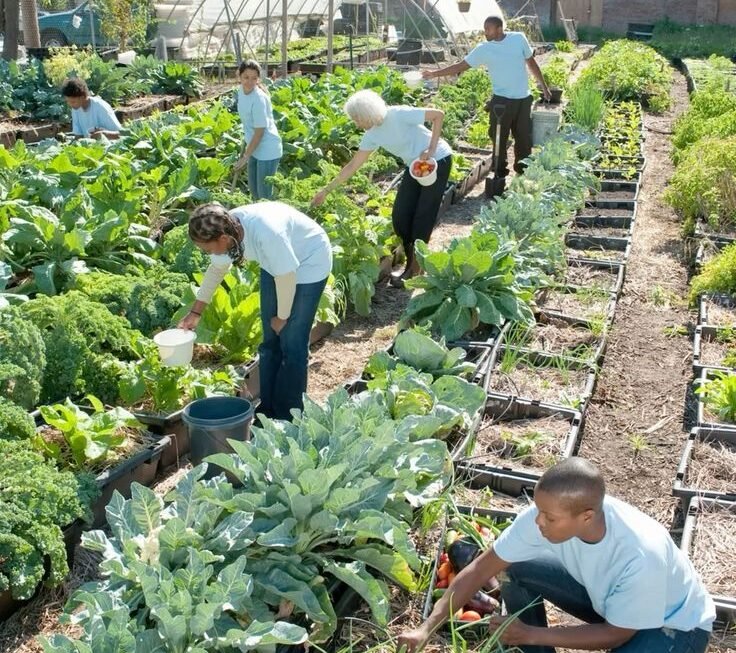
- Organize community gardens or tree-planting projects.
- Encourage schools to include sustainability in curriculums.
- Promote eco-friendly workplace practices, like paperless documentation and energy-saving initiatives.
- Host awareness campaigns that teach others about reducing waste and conserving resources.
By engaging others, your eco-conscious lifestyle becomes a catalyst for wider societal change.
Mindset for Sustainable Living.
The most powerful aspect of eco-living is mindset. Seeing sustainability as a series of small, impactful choices empowers individuals to act consistently without feeling overwhelmed. Key principles include:
- Every action counts: No choice is too small to make a difference.
- Lead by example: Others are influenced by what they see you do.
- Think long-term: Consider the effects of your actions on future generations.
- Stay informed: Knowledge about environmental issues guides better decision-making.
- Celebrate small wins: Recognizing progress keeps you motivated.
With the right mindset, eco-living transforms from a set of tasks into a lifestyle that naturally influences others.
Conclusion.
Eco-living is more than just recycling, planting trees, or using less energy—it is about creating a ripple effect through conscious, daily choices. Small actions, when multiplied across communities and amplified through social influence, can inspire widespread change. By rethinking consumption, energy use, waste, and transportation, individuals can contribute to a cleaner, healthier, and more sustainable world. The beauty of eco-living lies in its simplicity: every choice, no matter how small, has the potential to inspire others and transform society. Living sustainably today is an investment in the future. Your eco-conscious habits ripple outward, shaping a culture of responsibility, awareness, and care for the planet. By embracing eco-living, we don’t just protect nature—we influence others, create community change, and leave a legacy of sustainability for generations to come.