







Introduction.
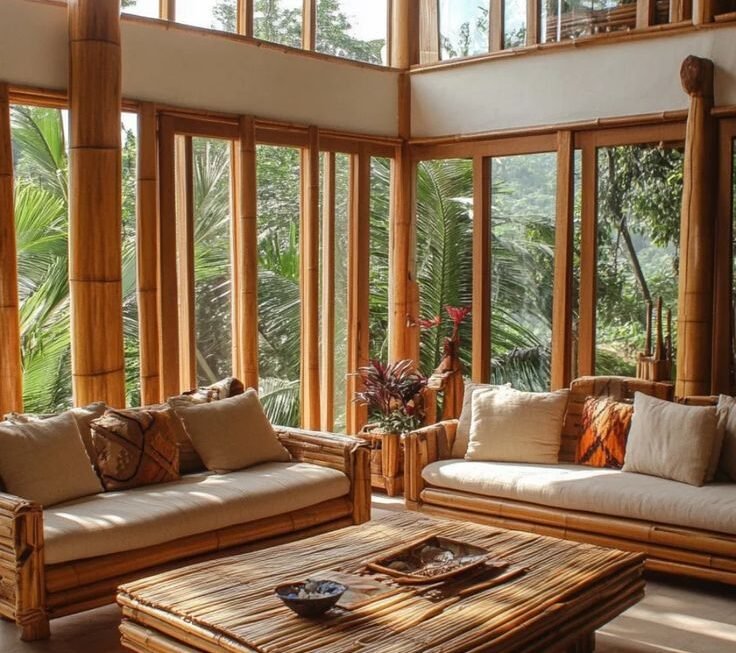
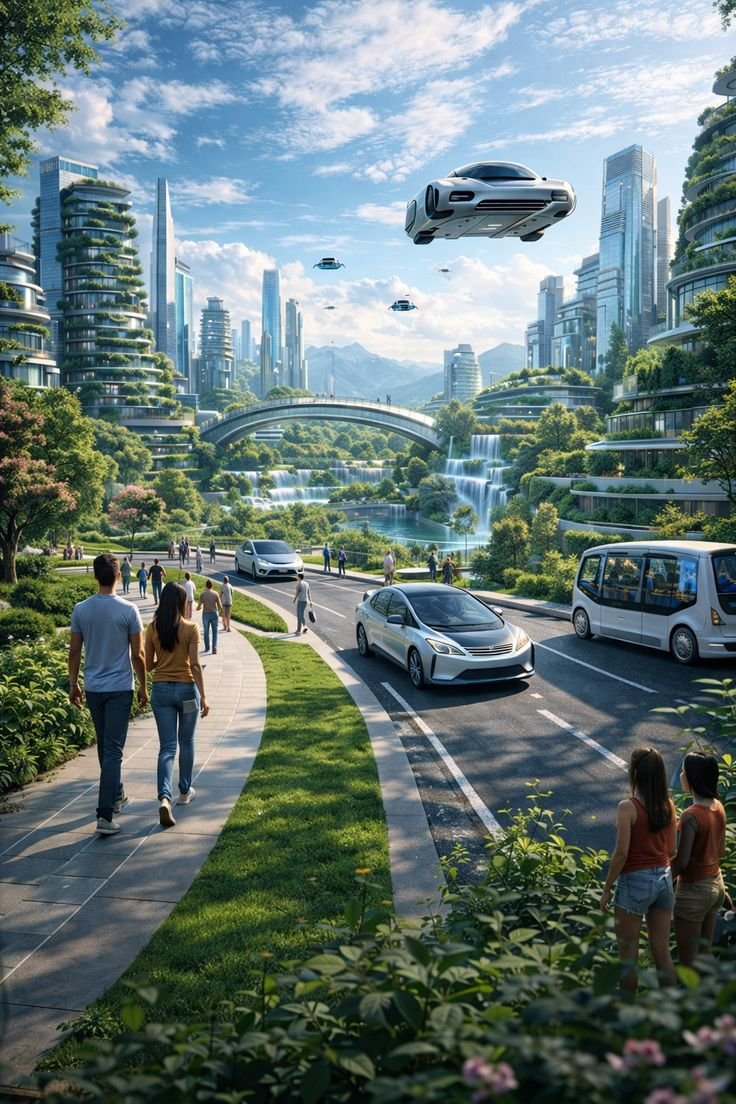
In recent years, the world has witnessed rapid technological advancement. From artificial intelligence to smart homes, technology has transformed the way people live, work, and communicate. At the same time, society is becoming more aware of environmental challenges such as climate change, pollution, and depletion of natural resources. These concerns have led to the rise of eco-living — a lifestyle focused on reducing environmental impact and promoting sustainability. Interestingly, technology and eco-living are no longer separate ideas. Instead, they are increasingly working together to create a more sustainable future. Modern innovations are helping individuals, communities, and industries adopt environmentally friendly practices without sacrificing comfort or efficiency. This blog explores how technological advancement is supporting eco-living and why this combination is important for the future of our planet.
Understanding Eco-Living.
Eco-living refers to making lifestyle choices that reduce harm to the environment. It encourages people to be mindful of how their daily actions affect natural resources. Some common eco-living practices include:
- Reducing waste and recycling materials
- Conserving energy and water
- Using renewable energy sources
- Supporting sustainable products and businesses
- Reducing carbon emissions through responsible transportation
While these practices may sound simple, adopting them consistently can have a powerful positive effect on the environment. However, traditional eco-living methods sometimes required significant effort or lifestyle adjustments. This is where technology plays an important role in making sustainable living easier and more practical.
How Technology Supports Eco-Living.
Technological innovation has made it easier for individuals to live sustainably. Many modern devices and systems are designed to reduce energy consumption, minimize waste, and increase efficiency. Some of the key technological contributions to eco-living include:
1. Smart Home Technology
Smart homes are becoming increasingly popular, and they can significantly reduce energy waste. Examples include:
- Smart thermostats that automatically adjust temperature to save energy
- Smart lighting systems that turn off lights when rooms are empty
- Energy-efficient appliances that consume less electricity
These technologies help homeowners reduce their energy usage without constantly monitoring their consumption.
2. Renewable Energy Innovations
Renewable energy is one of the most important aspects of eco-living. Technological advancements have made renewable energy more accessible and affordable.
Some examples include:
- Solar panels that generate electricity from sunlight
- Wind turbines that convert wind energy into power
- Improved battery storage systems for renewable energy
These technologies allow households and businesses to rely less on fossil fuels and reduce their environmental impact.
3. Sustainable Transportation
Transportation is one of the largest contributors to carbon emissions worldwide. However, technology is helping transform how people move from one place to another.
Eco-friendly transportation options include:
- Electric vehicles (EVs) that produce zero direct emissions
- Public transportation systems powered by renewable energy
- Bike-sharing and ride-sharing mobile applications
These innovations help reduce air pollution while offering convenient travel options.
4. Waste Management Technology
Waste is a major environmental challenge, especially in urban areas. Fortunately, technology is helping improve waste management systems.
Some examples include:
- Advanced recycling systems that separate waste efficiently
- Mobile apps that help people locate recycling centers
- Technologies that convert waste into energy
These systems reduce landfill waste and promote recycling and reuse of materials.
The Benefits of Combining Technology and Eco-Living.
When technology and eco-living work together, they create many benefits for both individuals and the environment. Some of these benefits include:
- Lower energy costs – Energy-efficient technologies reduce electricity bills
- Improved environmental protection – Sustainable practices help conserve natural resources
- Better quality of life – Cleaner air, water, and surroundings benefit human health
- Greater convenience – Technology makes eco-friendly choices easier to implement
By integrating sustainability into modern innovation, society can move toward a greener and more balanced future.
Challenges to Eco-Living Through Technology.
Despite its benefits, there are still challenges associated with using technology to support eco-living. Some of these challenges include:
- High initial costs for technologies like solar panels or electric vehicles
- Limited awareness among many communities about sustainable technologies
- Electronic waste generated by outdated technological devices
Addressing these challenges requires education, responsible manufacturing, and supportive government policies.
The Role of Individuals in Sustainable Innovation.
While governments and companies play a large role in technological development, individuals also have a responsibility to support eco-living.
People can contribute by:
- Choosing energy-efficient devices and appliances
- Reducing unnecessary consumption
- Supporting businesses that prioritize sustainability
- Staying informed about environmentally friendly technologies
Small actions by millions of people can create a large positive impact.
Conclusion
The relationship between technological advancement and eco-living is shaping the future of sustainable development. Technology is making it easier than ever for individuals and communities to adopt environmentally friendly practices without sacrificing convenience or comfort.
From smart homes and renewable energy to sustainable transportation and improved waste management, innovation is helping reduce humanity’s environmental footprint. However, the success of eco-living also depends on awareness, responsible use of technology, and commitment from individuals, governments, and industries.
By embracing both technology and sustainability, society can build a future that protects the environment while continuing to enjoy the benefits of modern innovation.