








Introduction
Transportation plays an essential role in modern life. People rely on vehicles to travel to work, school, markets, and other important destinations. Goods are also transported across cities and countries to support economic activities. However, while transportation has made life more convenient, it has also become one of the largest contributors to environmental pollution. Traditional transportation methods rely heavily on fossil fuels such as gasoline and diesel. When these fuels are burned, they release carbon dioxide and other harmful gases into the atmosphere. These emissions contribute to air pollution, climate change, and various health problems. As environmental concerns continue to grow, many individuals, governments, and organizations are exploring greener transportation solutions. Green transportation focuses on reducing environmental impact while maintaining efficient mobility. By adopting cleaner transportation methods, societies can move toward a healthier and more sustainable future.
Understanding Green Transportation
Green transportation refers to environmentally friendly methods of moving people and goods. These transportation options aim to reduce carbon emissions, conserve energy, and minimize pollution. Examples of green transportation include:
- Walking and cycling
- Public transportation such as buses and trains
- Electric vehicles
- Carpooling or ride-sharing
- Hybrid vehicles that combine fuel and electric power
These options help reduce the environmental footprint of daily transportation activities.
Environmental Problems Caused by Traditional Transportation
Traditional transportation systems rely heavily on fossil fuels, which have several negative effects on the environment. Some major environmental challenges include:
- Air pollution – Vehicle exhaust releases harmful gases that degrade air quality.
- Greenhouse gas emissions – Carbon dioxide from vehicles contributes to global climate change.
- Noise pollution – Heavy traffic produces constant noise that affects urban environments.
- Resource depletion – Fossil fuels are limited resources that are gradually being exhausted.
These problems highlight the need for cleaner and more sustainable transportation solutions.
Benefits of Green Transportation
Green transportation provides many environmental, economic, and social benefits. By reducing reliance on fossil fuels, societies can improve both environmental health and human well-being.
Key benefits include:
- Reduced air pollution that improves public health
- Lower greenhouse gas emissions, helping slow climate change
- Reduced fuel consumption, conserving natural resources
- Lower transportation costs in the long term
- Improved urban environments with less noise and traffic congestion
These benefits demonstrate why many countries are investing in sustainable transportation systems.
Popular Green Transportation Options
There are several transportation options that individuals can adopt to reduce their environmental impact.
1. Walking and Cycling
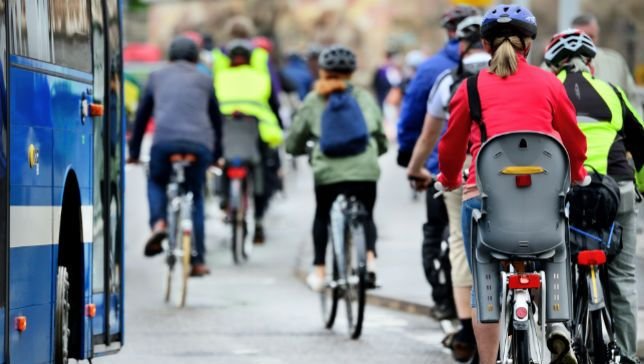
Walking and cycling are among the most environmentally friendly forms of transportation. They require no fuel and produce zero emissions.
Benefits of walking and cycling include:
- Improved physical health and fitness
- Reduced transportation costs
- Less traffic congestion in cities
- Zero environmental pollution
For short distances, these options can be both practical and beneficial.
2. Public Transportation
Public transportation systems such as buses, trains, and subways help reduce the number of private vehicles on the road.
Advantages of public transportation include:
- Lower overall fuel consumption
- Reduced traffic congestion
- Lower transportation costs for individuals
- Reduced air pollution
When more people use public transportation, cities can significantly reduce environmental impact.
3. Electric Vehicles
Electric vehicles (EVs) are becoming increasingly popular as technology improves and environmental awareness grows. Unlike traditional cars, electric vehicles run on electricity instead of gasoline.
Benefits of electric vehicles include:
- Reduced carbon emissions
- Lower fuel costs compared to gasoline vehicles
- Quieter operation that reduces noise pollution
- Less dependence on fossil fuels
As renewable energy sources become more common, electric vehicles will become even more environmentally friendly.
4. Carpooling and Ride Sharing
Carpooling involves multiple people sharing one vehicle for travel. This reduces the number of cars on the road and lowers fuel consumption.
Benefits of carpooling include:
- Reduced fuel expenses
- Less traffic congestion
- Lower carbon emissions
- More efficient use of transportation resources
Many workplaces and communities encourage carpooling as a sustainable transportation option.
The Role of Governments and Communities
Governments and communities play an important role in promoting green transportation. Investments in infrastructure and policies can encourage people to adopt environmentally friendly travel methods.
Important initiatives may include:
- Building safe bicycle lanes and pedestrian walkways
- Expanding public transportation systems
- Providing incentives for electric vehicle adoption
- Promoting awareness about sustainable transportation
These efforts make it easier for individuals to choose greener transportation options.Challenges to Green Transportation
Despite its benefits, green transportation still faces several challenges. Some individuals may find it difficult to change their transportation habits due to convenience or infrastructure limitations.
Common challenges include:
- Limited availability of public transportation in some areas
- Higher initial costs of electric vehicles
- Lack of cycling infrastructure in certain cities
- Long travel distances that make walking impractical
Addressing these challenges requires cooperation between governments, businesses, and communities.
Conclusion
Transportation is a necessary part of modern life, but it also has a significant environmental impact. Traditional vehicles powered by fossil fuels contribute to air pollution, climate change, and resource depletion. As a result, there is a growing need for greener transportation solutions.
Green transportation offers a pathway toward cleaner air, reduced emissions, and more sustainable cities. Walking, cycling, public transportation, electric vehicles, and carpooling are all effective ways to reduce environmental impact.
Although transitioning to greener transportation systems may require effort and investment, the long-term benefits are substantial. By adopting environmentally responsible travel habits and supporting sustainable transportation initiatives, individuals and communities can contribute to a healthier planet and a more sustainable future.