








Introduction
Food is one of the most essential resources for human survival. Every day, people around the world rely on farms, markets, and food distribution systems to provide meals for families and communities. However, while millions of people struggle with hunger and limited access to food, an enormous amount of food is wasted every year. Food waste has become a global problem that affects the environment, the economy, and society as a whole. Food waste occurs when edible food is discarded, lost, or allowed to spoil instead of being consumed. This waste can happen at many stages of the food supply chain, including during farming, transportation, retail, and household consumption. In many cases, perfectly good food is thrown away simply because it is not sold in time or because people buy more than they need. Reducing food waste is an important step toward creating a more sustainable world. By using food more responsibly and managing resources efficiently, individuals and communities can reduce environmental damage, save money, and ensure that more people have access to the food they need.
Understanding Food Waste
Food waste refers to the loss of edible food that could otherwise be consumed by people. It occurs in different parts of the food system, from farms to households. Common causes of food waste include:
- Overproduction of food by farmers or manufacturers
- Improper storage and transportation of food products
- Unsold food in supermarkets and restaurants
- Households buying more food than they can consume
- Misunderstanding food expiration labels
Understanding these causes is the first step toward finding effective solutions.
Environmental Impact of Food Waste
Food waste does not only represent lost meals; it also causes serious environmental problems. Producing food requires land, water, energy, and labor. When food is wasted, all the resources used to produce it are also wasted. Major environmental impacts of food waste include:
- Greenhouse gas emissions – When food decomposes in landfills, it produces methane, a powerful greenhouse gas.
- Wasted water resources – Large amounts of water are used to grow crops and raise livestock.
- Loss of farmland and forests – More land is cleared for agriculture than necessary due to wasted production.
- Increased energy consumption – Energy used for farming, packaging, transportation, and refrigeration is wasted.
Reducing food waste helps conserve natural resources and protect the environment.
Economic Consequences of Food Waste
Food waste also has significant economic implications for individuals, businesses, and governments. When food is discarded, money spent on purchasing, transporting, and storing that food is effectively lost. Economic impacts include:
- Higher household expenses due to unused groceries
- Financial losses for restaurants and retailers
- Increased costs for waste management systems
- Higher food prices due to inefficient resource use
By reducing waste, households and businesses can save money and operate more efficiently.
How Households Can Reduce Food Waste
Individuals play a major role in reducing food waste because a large portion of waste occurs in homes. Simple changes in daily habits can significantly reduce the amount of food that ends up in the trash. Practical ways to reduce household food waste include:
- Planning meals in advance to avoid buying unnecessary food
- Creating shopping lists and sticking to them when visiting markets
- Storing food properly to keep it fresh for longer periods
- Using leftovers creatively instead of discarding them
- Understanding expiration labels, such as “best before” and “use by”
These small changes can make a meaningful difference in reducing food waste.
The Role of Restaurants and Food Businesses
Restaurants, supermarkets, and food service businesses also contribute to food waste but have the potential to reduce it significantly through better management practices. Businesses can reduce food waste by:
- Improving inventory management systems
- Donating unsold food to food banks and charities
- Offering smaller portion sizes for customers
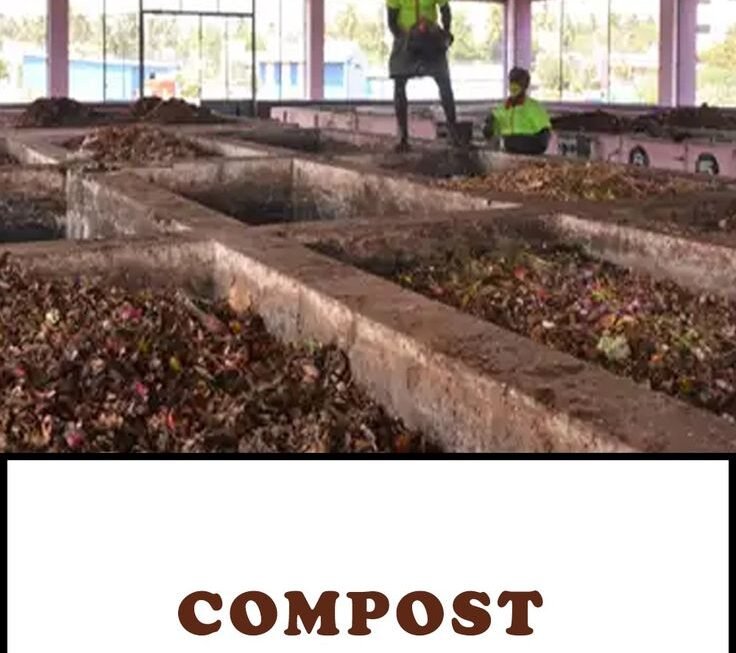
- Recycling food waste through composting programs
These practices not only reduce waste but also improve the reputation of businesses that prioritize sustainability.
Food Donation and Redistribution
One effective solution to food waste is redistributing surplus food to people who need it. Many organizations collect excess food from farms, restaurants, and supermarkets and deliver it to communities facing food insecurity. Benefits of food redistribution include:
- Providing meals for people experiencing hunger
- Reducing the amount of food sent to landfills
- Promoting social responsibility within communities
Food banks, charitable organizations, and community kitchens play an important role in making this process possible.
The Importance of Food Waste Awareness
Raising awareness about food waste is essential for encouraging responsible consumption habits. Many people are unaware of how much food they waste or the environmental impact of their actions. Educational initiatives can help by:
- Teaching students about sustainable food systems
- Promoting awareness campaigns in communities
- Encouraging responsible shopping and cooking habits
When individuals become more aware of food waste, they are more likely to adopt sustainable behaviors.
Conclusion
Food waste is a serious global issue that affects the environment, the economy, and society. While millions of people face hunger and food insecurity, large quantities of edible food are discarded every day. This waste not only represents lost meals but also wastes valuable natural resources such as water, energy, and farmland. Reducing food waste requires cooperation from individuals, businesses, and governments. Simple actions such as planning meals, storing food properly, and donating surplus food can significantly reduce waste and help create a more efficient food system. By recognizing the value of food and using it responsibly, societies can move toward a more sustainable future where resources are preserved, communities are supported, and fewer people go hungry. Reducing food waste is not just an environmental responsibility—it is a step toward building a more balanced and compassionate world.