







Introduction
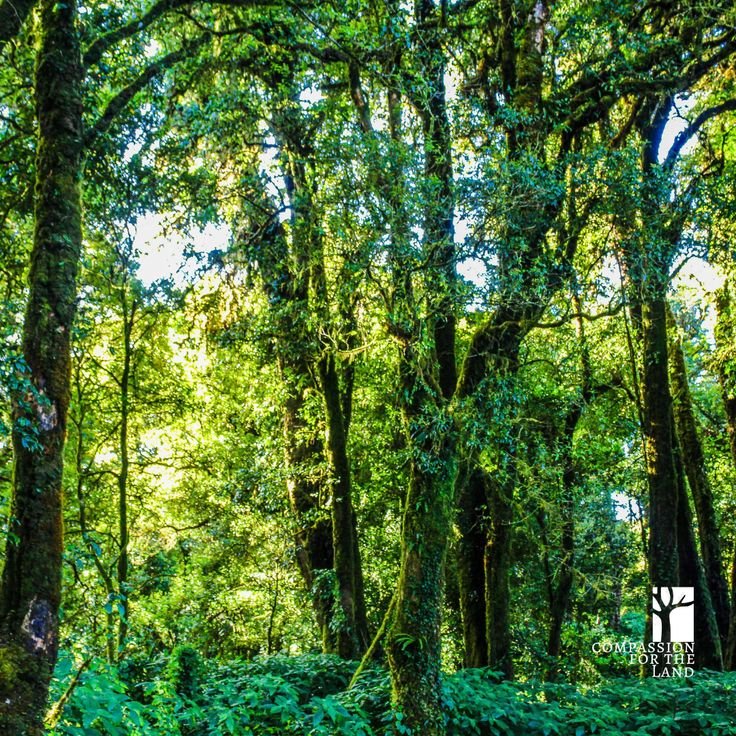
Forests are among the most valuable natural resources on Earth. They cover a large portion of the planet’s land surface and support countless forms of life. From providing oxygen to regulating climate and supporting biodiversity, forests play a vital role in maintaining the balance of the global ecosystem. Despite their importance, forests around the world are being destroyed at an alarming rate due to human activities such as logging, agriculture, urban expansion, and mining.
Deforestation has become one of the most serious environmental problems of the modern era. Each year, millions of hectares of forest are cleared to make space for farming, infrastructure, and industrial development. While these activities may provide short-term economic benefits, they also lead to long-term environmental consequences such as loss of biodiversity, soil degradation, and climate change.
Protecting forests is therefore essential for building a sustainable future. By conserving forests and promoting responsible forest management, societies can protect ecosystems, support wildlife, and ensure that natural resources remain available for future generations.
The Role of Forests in the Environment
Forests are complex ecosystems that support a wide range of environmental functions. They help maintain the natural balance of the planet in several ways.
Some important environmental roles of forests include:
- Producing oxygen through photosynthesis, which supports life on Earth
- Absorbing carbon dioxide, helping reduce the impact of climate change
- Regulating rainfall patterns and maintaining the water cycle
- Preventing soil erosion by holding soil together with plant roots
- Providing habitats for millions of plant and animal species
Without forests, many ecosystems would collapse, and the stability of the global climate would be severely affected.
Forests and Biodiversity
Forests are home to a vast variety of living organisms. They contain some of the richest biodiversity on Earth, especially tropical rainforests.
The biodiversity benefits of forests include:
- Habitat for wildlife, including birds, mammals, insects, and reptiles
- Protection of endangered species that depend on forest ecosystems
- Preservation of plant diversity, including many medicinal plants
- Support for pollinators such as bees and butterflies
When forests are destroyed, many species lose their habitats and may face extinction.
Forests and Climate Change
Forests play a major role in regulating the Earth’s climate. Trees absorb carbon dioxide from the atmosphere and store it in their trunks, branches, and roots.
Climate benefits of forests include:
- Reducing greenhouse gases that contribute to global warming
- Cooling the atmosphere through shade and moisture release
- Stabilizing weather patterns and rainfall cycles
Deforestation releases stored carbon into the atmosphere, increasing greenhouse gas emissions and accelerating climate change.
Economic Importance of Forests
Forests also provide important economic benefits to communities around the world.
Some economic contributions of forests include:
- Providing timber and wood products for construction and manufacturing
- Supporting agriculture by protecting soil and water resources
- Providing livelihoods for millions of people working in forestry and related industries
- Supporting tourism, especially eco-tourism in forest regions
When managed responsibly, forests can provide economic benefits while still maintaining environmental sustainability.
The Causes of Deforestation
Understanding the causes of deforestation is important for developing solutions.
Some major causes include:
- Agricultural expansion, where forests are cleared to grow crops or raise livestock
- Logging activities for timber production
- Urban development, including roads, buildings, and infrastructure
- Mining and industrial activities that require large areas of land
These activities, when done unsustainably, lead to permanent loss of forest ecosystems.
Strategies for Forest Conservation
Protecting forests requires cooperation between governments, communities, and environmental organizations.
Effective forest conservation strategies include:
- Establishing protected areas and national parks
- Promoting sustainable forestry practices
- Encouraging tree planting and reforestation projects
- Reducing demand for products linked to deforestation
- Educating communities about the importance of forest conservation
These measures help ensure that forests continue to thrive and provide benefits for future generations.
The Role of Individuals in Protecting Forests
While governments and organizations play major roles in forest conservation, individuals can also contribute in meaningful ways.
People can help protect forests by:
- Using paper products responsibly and recycling whenever possible
- Supporting companies that use sustainably sourced materials
- Participating in tree-planting activities
- Reducing consumption of products linked to deforestation
Small individual actions can collectively make a significant difference in protecting forests.
The Future of Forest Conservation
As global awareness of environmental issues grows, forest conservation is becoming a priority for many countries. Advances in technology, satellite monitoring, and environmental policies are helping track deforestation and improve forest management.
International cooperation is also increasing, with countries working together to protect forests and reduce carbon emissions. Sustainable forestry programs and eco-tourism initiatives are demonstrating that forests can be protected while still supporting economic development.
With continued effort and responsible management, it is possible to balance human needs with environmental protection.
Conclusion
Forests are essential to the health of our planet. They regulate the climate, support biodiversity, protect water resources, and provide livelihoods for millions of people. Despite their importance, forests continue to face serious threats from deforestation and unsustainable development.
Protecting forests requires global cooperation, responsible policies, and public awareness. Governments, organizations, and individuals must work together to promote conservation, sustainable resource use, and reforestation efforts.
By valuing forests and protecting them today, humanity can ensure that these vital ecosystems continue to support life on Earth for generations to come. Forest conservation is not just an environmental goal—it is a crucial step toward building a sustainable and balanced future for the planet.