








Introduction
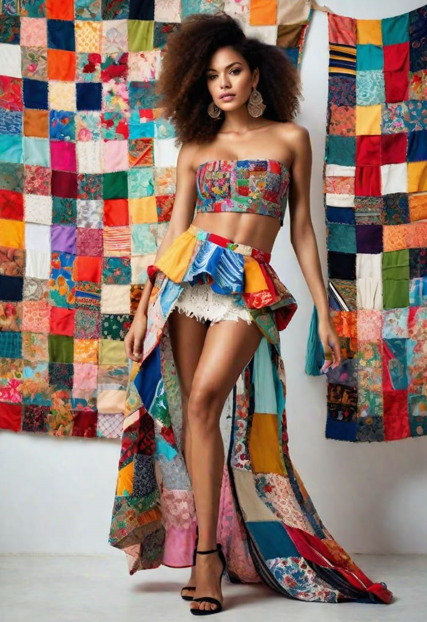
Fashion is one of the most powerful forms of self-expression. The clothes people wear often reflect their personality, culture, and lifestyle. Over the years, the fashion industry has grown into one of the largest global industries, producing billions of garments every year. However, behind the beauty and creativity of fashion lies a hidden environmental cost.
The rise of fast fashion—cheap clothing produced quickly to follow the latest trends—has created a culture where clothes are bought frequently and discarded just as quickly. Many garments are worn only a few times before being thrown away. This cycle of constant production and disposal has serious consequences for the environment.
Producing clothing requires large amounts of water, energy, and raw materials. Cotton farming consumes vast quantities of water, while synthetic fabrics are made from petroleum-based materials that contribute to pollution. Additionally, textile factories often release harmful chemicals into rivers and ecosystems.
As awareness about environmental issues grows, many people are beginning to rethink how they buy and use clothing. This has led to the rise of sustainable fashion, an approach that focuses on reducing the environmental and social impact of clothing production.
Sustainable fashion encourages consumers to buy better-quality clothing, support ethical brands, and extend the life of garments. By making more thoughtful choices, individuals can enjoy fashion while also protecting the planet.
Understanding Sustainable Fashion
Sustainable fashion refers to clothing that is produced in a way that minimizes harm to the environment and respects the people involved in the production process. It focuses on creating garments that are durable, responsibly produced, and environmentally friendly.
Unlike fast fashion, sustainable fashion promotes long-term use and responsible consumption.
Key aspects of sustainable fashion include:
- Using eco-friendly materials such as organic cotton, bamboo, or recycled fabrics
- Reducing waste during production
- Ensuring fair wages and safe working conditions for workers
- Designing clothes that are durable and long-lasting
These practices help reduce the negative impact of the fashion industry on the environment.
Environmental Impact of the Fashion Industry
The traditional fashion industry places enormous pressure on natural resources and ecosystems. Understanding these impacts helps explain why sustainable fashion is becoming so important.
Some major environmental challenges include:
Water Consumption
Textile production requires large amounts of water. For example, producing a single cotton shirt can use thousands of liters of water from planting to processing.
Textile Waste
Millions of tons of clothing are discarded each year. Many of these garments end up in landfills, where they take years to decompose.
Chemical Pollution
Dyes and chemicals used in textile production can pollute rivers and soil, affecting both wildlife and local communities.
Carbon Emissions
Clothing production, transportation, and manufacturing all contribute to greenhouse gas emissions that drive climate change.
Benefits of Sustainable Fashion
Adopting sustainable fashion practices offers many benefits for both the environment and society.
Some of the most important advantages include:
- Reduced environmental pollution through eco-friendly materials and production methods
- Lower water consumption in sustainable textile farming
- Less textile waste due to durable clothing
- Improved working conditions for garment workers
- Long-lasting clothing, which reduces the need for frequent purchases
These benefits make sustainable fashion an important step toward a more responsible global economy.
Simple Ways to Practice Sustainable Fashion
Individuals can support sustainable fashion without completely changing their wardrobe overnight. Small changes in shopping habits can make a significant difference.
Some practical actions include:
- Buying quality clothing that lasts longer instead of cheap fast-fashion items
- Choosing eco-friendly brands that follow sustainable practices
- Buying second-hand clothing from thrift stores or resale platforms
- Repairing damaged clothes instead of throwing them away
- Donating or recycling old garments rather than discarding them
These habits reduce waste while promoting responsible consumption.
The Role of Technology in Sustainable Fashion
Technology is also helping transform the fashion industry into a more sustainable sector. Innovative solutions are making it easier for companies to reduce their environmental footprint.
Examples of technological innovations include:
- Recycled fabrics made from plastic bottles or textile waste
- Waterless dyeing technologies that reduce water pollution
- Digital fashion design, which minimizes material waste during production
- Clothing recycling systems that turn old garments into new fabrics
These innovations show how creativity and technology can work together to support sustainability.
Challenges Facing Sustainable Fashion
Despite its benefits, sustainable fashion still faces several challenges that limit its widespread adoption.
Common challenges include:
- Higher prices compared to fast-fashion clothing
- Limited availability in some regions
- Lack of awareness among consumers about sustainable alternatives
- Difficulty recycling certain synthetic fabrics
However, as consumer awareness continues to grow, more companies are investing in sustainable practices.
Conclusion
The fashion industry plays a significant role in modern life, but its environmental impact cannot be ignored. Fast fashion has created a cycle of overproduction and waste that places immense pressure on natural resources and ecosystems. Sustainable fashion offers a more responsible alternative by encouraging environmentally friendly production methods and mindful consumption.
By choosing quality clothing, supporting ethical brands, and extending the life of garments, individuals can help reduce the environmental damage caused by the fashion industry. Even small decisions—such as repairing clothes or buying second-hand items—can contribute to a more sustainable future.
As awareness about environmental issues continues to grow, sustainable fashion is likely to become an essential part of the global movement toward eco-friendly living. Through responsible choices and innovative solutions, the fashion industry has the potential to transform into a force that supports both creativity and environmental protection.