






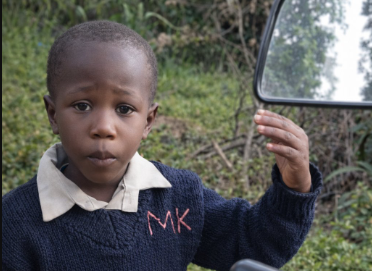
In April 2026, a simple roadside moment in Tharaka Nithi County captured the hearts of Kenyans after a young boy named Musa Kihara went viral online with the phrase “Unajua kwa Mbae?” (Do you know Mbae’s place?). The clip — shared originally by a boda boda rider who stopped to help him — showed the boy patiently giving directions and sharing landmarks in his village. Little did he know that his innocent words would spark one of the most touching philanthropic movements in recent Kenyan social-media history.
Who Is the “Kwa Mbae” Boy?
Musa, affectionately called the “Kwa Mbae boy,” became a social-media sensation because of his confidence, politeness and the way he described local places — including the nearby Mbae shop — to visitors asking for directions. The video quickly spread across TikTok, Instagram and Facebook, with many Kenyans resonating with his humility and authenticity.
Musa, affectionately called the “Kwa Mbae boy,” became a social-media sensation because of his confidence, politeness and the way he described local places — including the nearby Mbae shop — to visitors asking for directions. The video quickly spread across TikTok, Instagram and Facebook, with many Kenyans resonating with his humility and authenticity.
However, as people reached out and visited his rural home in Tharaka Nithi, they discovered that the family was facing serious challenges. Musa’s elder brother, Lewis Baraka, was battling throat cancer, and the family was struggling to cover his medical bills. That’s when the viral moment turned into a national solidarity movement.
Massive Support and Homestead Visits
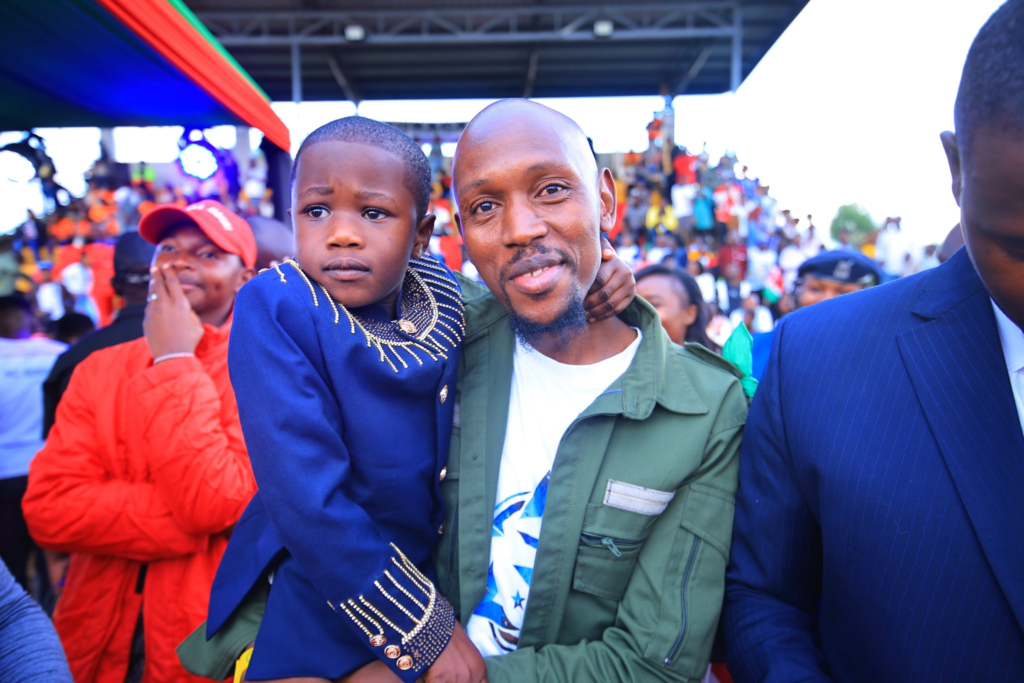
In late April 2026, well-wishers, social-media influencers and ordinary Kenyans began visiting Musa’s homestead and organising fundraisers to support the family. Videos and images shared on social platforms showed large crowds gathered in Kajianduthi Stadium in Tharaka Nithi to raise money, bring gifts, and express love and encouragement to the family.
One key figure in organising the support was TikToker Obidan Dela, who helped publicise the family’s situation. He revealed that KSh 3.7 million had been raised by Kenyans, and that fundraising efforts continued to pour in to help with brother Lewis’s medical treatment.
Moreover, notable figures and philanthropists joined the movement. Former Nairobi governor Mike Sonko donated KSh 100,000 and other support to Musa’s family, while Deputy President Kithure Kindiki pledged KSh 1 million through local leaders to further assist the family and help clear medical bills.
A Country United by Kindness
The outpouring of public support highlighted how an ordinary Kenyan boy’s viral moment could transform into a wave of generosity. People donated money, volunteered time, and even offered opportunities for long-term support and education for Musa and his siblings. In addition, the boda boda rider who shared the original video, Heri Tuchizi, was also gifted KSh 200,000 and a motorbike by generous Kenyans for helping bring the story to light.
Conclusion: More Than Just a Viral Clip
The “Kwa Mbae” boy’s story isn’t just about social-media fame — it’s about how kindness and collective goodwill can change lives. What started as a single TikTok clip became a story of unity, national compassion, and real-world support for a family in need. As Kenyans continue to rally around Musa and his brother, the episode stands as a powerful reminder that empathy can turn even the smallest moments into meaningful change.