









Introduction.
Exercise is widely known as one of the most important habits for maintaining a healthy lifestyle. People work out to build strength, improve endurance, reduce stress, and stay physically active. Gyms, sports fields, and outdoor trails are filled with individuals striving to improve their health every day. However, what many people rarely consider is that the way we exercise can also affect the environment. Modern fitness culture often depends on energy-consuming gym equipment, plastic water bottles, synthetic workout gear, and transportation to training facilities. While these may seem like small factors individually, they add up over time and contribute to environmental challenges such as increased energy consumption, waste production, and pollution. Fortunately, fitness and eco-living can work together in a positive way. By adopting eco-friendly workout habits, individuals can protect the environment while also improving their physical well-being. Sustainable fitness is about making smarter choices—choosing activities, equipment, and routines that support both personal health and environmental responsibility. Eco-friendly fitness does not require complicated changes. Small adjustments in daily exercise routines can make workouts greener, healthier, and more meaningful.
The Environmental Impact of Modern Fitness.
The global fitness industry has grown rapidly over the past decade. New gyms, advanced equipment, and fitness products are constantly being introduced. While these developments make exercising more convenient, they also require resources to produce and maintain.
Many gyms rely on large amounts of electricity to power treadmills, air conditioners, lighting, televisions, and music systems. At the same time, disposable items such as plastic water bottles, paper towels, and single-use packaging generate unnecessary waste.
Fitness clothing can also have an environmental cost. Many sports outfits are made from synthetic materials that require energy-intensive manufacturing processes and may release microplastics during washing.
These factors highlight the importance of creating a more sustainable approach to physical fitness.
Simple Ways to Practice Eco-Friendly Fitness.
Adopting sustainable workout habits does not mean sacrificing performance or comfort. Instead, it encourages smarter choices that benefit both the body and the planet. Some effective eco-friendly fitness practices include:
- Exercise Outdoors
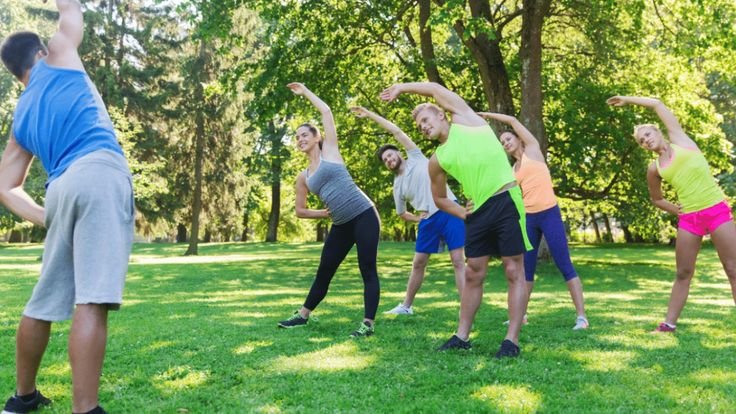
Outdoor activities such as running, cycling, hiking, and walking reduce the need for electricity-powered gym equipment. Parks, trails, and open spaces provide natural environments that improve both physical and mental well-being. - Use Reusable Water Bottles
Carrying a reusable bottle eliminates the need for disposable plastic bottles during workouts. This small habit helps reduce plastic waste and promotes responsible consumption. - Choose Sustainable Workout Clothing
Buying fitness clothes made from organic cotton, recycled fabrics, or sustainable materials helps reduce the environmental impact of manufacturing. - Walk or Cycle to the Gym
If a gym is nearby, walking or cycling instead of driving reduces fuel consumption and promotes additional physical activity. - Use Minimal Equipment Workouts
Bodyweight exercises such as push-ups, squats, planks, and lunges require little or no equipment. These exercises are effective for strength training while minimizing resource use.
Health Benefits of Sustainable Fitness.
Eco-friendly workouts not only protect the environment but also offer several personal health advantages.
Outdoor exercise exposes individuals to fresh air and natural sunlight. Sunlight helps the body produce vitamin D, which supports bone health and immune function. Natural environments can also reduce stress and improve mood, making exercise more enjoyable.
Sustainable fitness practices often encourage movement in natural settings such as parks, forests, and beaches. These environments provide mental relaxation and help individuals feel more connected to nature.
Additionally, activities like cycling or walking as transportation improve cardiovascular health while reducing environmental pollution.
Community Impact of Green Fitness.
Sustainable fitness habits can also influence communities in positive ways. When individuals practice eco-friendly workouts, they inspire others to adopt similar habits.
Community events such as eco-friendly marathons, charity runs, or cycling events promote environmental awareness while encouraging physical activity. These events can also include recycling initiatives, tree planting programs, or waste reduction campaigns.
Gyms and fitness centers can contribute by adopting sustainable practices such as installing energy-efficient lighting, encouraging reusable bottles, and reducing single-use plastics.
When communities support green fitness initiatives, they create healthier environments for both people and nature.
Conclusion.
Fitness is about building strength, endurance, and overall well-being. At the same time, caring for the environment is essential for ensuring a healthy future for everyone. By combining these two goals, eco-friendly fitness creates a powerful opportunity to improve both personal health and environmental sustainability. Small actions such as exercising outdoors, using reusable bottles, choosing sustainable clothing, and reducing energy consumption can make workouts more environmentally responsible. These habits not only reduce waste and pollution but also encourage individuals to appreciate the natural world around them. Sustainable fitness reminds us that a healthy body and a healthy planet are closely connected. When people exercise responsibly and respect the environment, they contribute to a lifestyle that benefits both present and future generations. In the end, the goal of fitness should not only be personal strength but also collective well-being. By choosing greener workout habits today, individuals help build a stronger, healthier, and more sustainable world for tomorrow.