








Introduction
In recent years, the fashion industry has changed dramatically. Clothing has become cheaper, trends change faster, and consumers are encouraged to buy new outfits more frequently than ever before. This system is commonly known as fast fashion. Fast fashion allows people to purchase stylish clothing at very low prices, but behind these affordable prices lies a significant environmental cost. The production of large amounts of clothing requires enormous quantities of water, energy, and raw materials. Many garments are worn only a few times before being discarded, contributing to growing waste problems around the world. Landfills are increasingly filled with textile waste, while pollution from clothing production harms ecosystems and communities. Understanding the environmental impact of fast fashion is an important step toward creating a more sustainable future. By making thoughtful clothing choices, consumers can help reduce waste and encourage more responsible fashion practices.
What Is Fast Fashion?
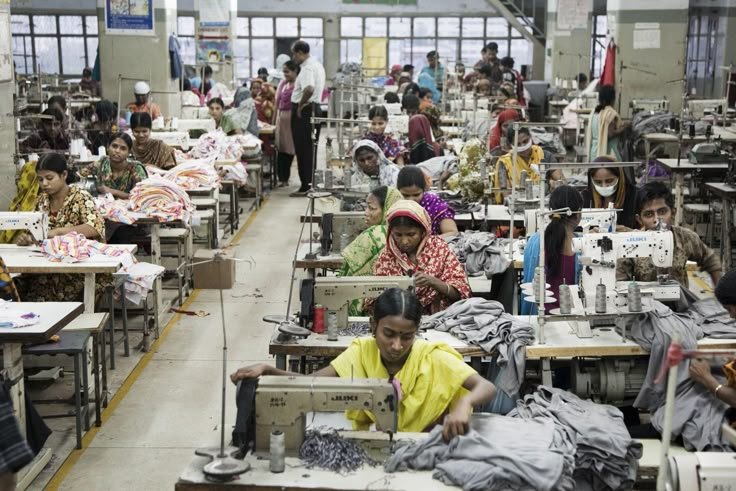
Fast fashion refers to the rapid production of inexpensive clothing designed to quickly follow the latest trends. Fashion companies produce new collections frequently so that consumers feel encouraged to buy new items regularly.
Characteristics of fast fashion include:
- Low production costs that make clothing very affordable
- Rapid production cycles that bring new trends to stores quickly
- Large quantities of clothing produced in a short time
- Short product lifespan, meaning clothes are worn briefly before being discarded
Although this model makes fashion accessible to many people, it also creates significant environmental and social challenges.
Environmental Problems Caused by Fast Fashion
The fast fashion industry places considerable pressure on natural resources and ecosystems. The demand for constant production results in large-scale environmental damage.
Some major environmental impacts include:
- High water consumption – Textile production requires enormous amounts of water, especially for growing cotton and dyeing fabrics.
- Chemical pollution – Factories often release harmful chemicals into rivers and waterways during the dyeing process.
- Textile waste – Millions of tons of clothing are discarded every year and end up in landfills.
- Carbon emissions – Manufacturing, transportation, and distribution of clothing contribute to greenhouse gas emissions.
These environmental challenges demonstrate why the fashion industry must move toward more sustainable practices.
The Problem of Clothing Waste
One of the most visible effects of fast fashion is the growing amount of clothing waste. Many garments are purchased impulsively and worn only a few times before being thrown away. Several factors contribute to this waste problem:
- Clothing is often made with lower-quality materials that wear out quickly.
- Rapidly changing fashion trends encourage consumers to replace clothing frequently.
- Many people donate clothes, but a large portion of these items still end up in landfills.
Reducing clothing waste requires both responsible consumer behavior and improved recycling systems.
Sustainable Alternatives to Fast Fashion
Consumers who want to reduce their environmental impact can adopt more sustainable fashion habits. Choosing quality over quantity and supporting responsible brands can make a significant difference. Some sustainable alternatives include:
- Buying durable clothing that lasts longer
- Supporting ethical and sustainable fashion brands
- Choosing natural or recycled fabrics
- Repairing clothing instead of discarding it
- Donating or recycling unwanted garments
These practices help reduce the demand for constant production and minimize textile waste.
The Benefits of Choosing Sustainable Fashion
Adopting sustainable fashion habits can provide several advantages for both consumers and the environment. Key benefits include:
- Reduced environmental pollution from textile production
- Lower demand for natural resources such as water and cotton
- Support for ethical labor practices in clothing production
- Longer-lasting wardrobes that save money over time
Sustainable fashion encourages thoughtful purchasing decisions that prioritize quality and environmental responsibility.
The Role of Consumers in Changing the Fashion Industry
Consumers have a powerful influence on the fashion industry. When people begin to demand more sustainable clothing, companies are encouraged to adopt better production practices.
Consumers can promote change by:
- Supporting brands that prioritize sustainability
- Avoiding unnecessary clothing purchases
- Educating others about the environmental impact of fast fashion
- Choosing second-hand or vintage clothing when possible
When many individuals make these choices, the collective impact can encourage the fashion industry to adopt more responsible practices.
Conclusion
Fast fashion has transformed the clothing industry by making trendy clothing widely accessible. However, the environmental consequences of this system are becoming increasingly clear. Large-scale production, excessive water consumption, pollution, and growing textile waste all contribute to serious environmental challenges.
Fortunately, consumers have the power to influence change. By choosing durable clothing, supporting sustainable brands, repairing garments, and reducing unnecessary purchases, individuals can significantly reduce their environmental impact.
The future of fashion depends on a shift toward sustainability. When people prioritize quality, responsibility, and environmental awareness, the fashion industry can move toward practices that protect both the planet and future generations.