







Introduction
Environmental protection is no longer only the responsibility of individuals and communities. Governments around the world play a major role in shaping how societies manage natural resources, reduce pollution, and respond to climate change. Through laws, regulations, and public policies, political leaders influence how industries operate, how energy is produced, and how environmental resources are protected.
In recent decades, environmental issues have become an important topic in political discussions. Climate change, deforestation, water scarcity, and pollution are global challenges that require coordinated action from governments. Political decisions determine whether industries follow environmental standards, whether renewable energy projects receive funding, and whether natural ecosystems are protected from destruction.
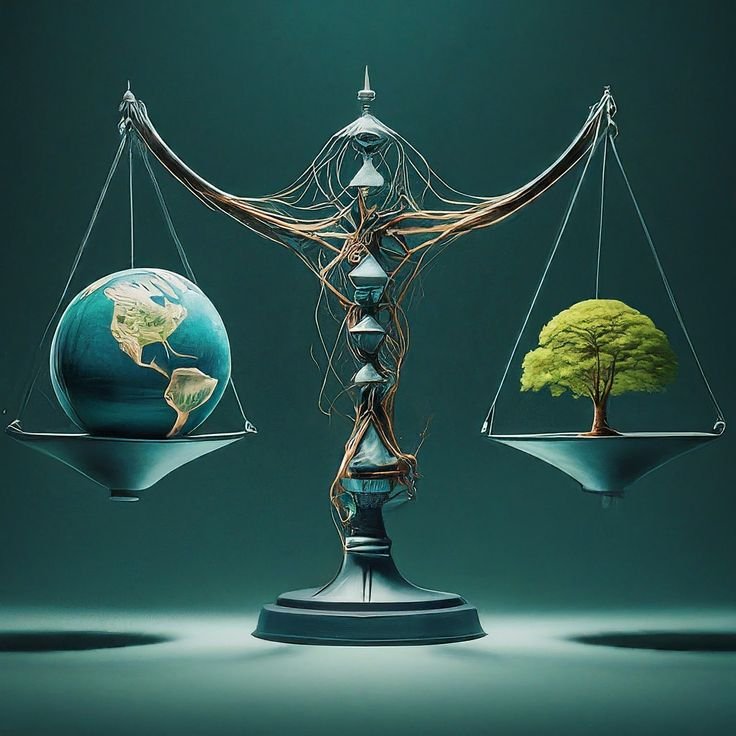
Environmental policies are therefore essential tools for building a sustainable future. These policies guide economic development while ensuring that environmental resources are not overexploited. Without effective policies, environmental protection efforts would be difficult to enforce and sustain.
Understanding the role of politics in environmental protection helps citizens appreciate how government decisions influence everyday environmental outcomes. From local regulations on waste management to international agreements on climate change, political action remains one of the most powerful forces shaping environmental sustainability.
What Are Environmental Policies?
Environmental policies are laws, regulations, and strategies created by governments to manage environmental resources and reduce environmental damage. These policies aim to balance economic development with environmental protection.
Environmental policies can address many different issues, including:
- Air and water pollution control
- Waste management and recycling
- Wildlife and biodiversity protection
- Renewable energy development
- Climate change mitigation
- Sustainable land use and agriculture
Through these policies, governments set rules that individuals, businesses, and organizations must follow to protect the environment.
Why Environmental Policies Are Important
Environmental policies play a critical role in maintaining ecological balance and protecting natural resources. Some important reasons why these policies matter include:
Protection of Natural Resources
Governments regulate the use of forests, water, minerals, and wildlife to prevent overexploitation.
Pollution Control
Environmental laws limit emissions from factories, vehicles, and other sources of pollution to protect air and water quality.
Climate Change Mitigation
Policies encourage the reduction of greenhouse gas emissions and promote renewable energy sources such as solar and wind power.
Public Health Protection
Clean air, safe water, and healthy ecosystems are essential for protecting human health.
Without strong environmental policies, industries might prioritize profit over environmental protection.
Examples of Environmental Policy Actions
Governments can implement various strategies to address environmental challenges.
Some common policy actions include:
- Setting emission limits for industries and vehicles
- Promoting renewable energy projects through subsidies and incentives
- Establishing protected areas such as national parks and wildlife reserves
- Encouraging recycling programs to reduce waste
- Imposing environmental taxes or penalties on polluting activities
These measures help ensure that economic activities do not damage ecosystems beyond recovery.
International Environmental Agreements
Environmental problems often cross national borders. Issues such as climate change, ocean pollution, and biodiversity loss require cooperation between countries. International agreements allow governments to work together toward common environmental goals. Some important aspects of international cooperation include:
- Countries committing to reduce greenhouse gas emissions
- Global efforts to protect endangered species
- Agreements to reduce plastic pollution in oceans
- Cooperation on sustainable energy development
These global partnerships show that environmental protection is a shared responsibility.
Challenges in Environmental Politics
Although environmental policies are essential, implementing them can be difficult. Political, economic, and social factors often influence environmental decisions. Some common challenges include:
- Economic pressure from industries that resist strict environmental regulations
- Political disagreements between governments or political parties
- Limited funding for environmental programs
- Balancing economic growth with environmental protection
These challenges sometimes slow down progress in addressing environmental issues.
The Role of Citizens in Environmental Politics
Citizens also play an important role in shaping environmental policies. Public opinion often influences government decisions and political priorities. People can contribute by:
- Voting for leaders who support environmental protection
- Participating in environmental awareness campaigns
- Supporting organizations that advocate for sustainable policies
- Practicing responsible environmental behavior in daily life
When citizens demand stronger environmental action, governments are more likely to respond with effective policies.
The Future of Environmental Governance
As environmental challenges continue to grow, governments will need to strengthen environmental policies and invest in sustainable solutions. Advances in technology, renewable energy, and scientific research are helping policymakers develop more effective environmental strategies.
Future environmental governance will likely focus on:
- Expanding renewable energy infrastructure
- Protecting biodiversity and natural ecosystems
- Developing sustainable cities and transportation systems
- Encouraging green innovation in industries
Strong political commitment will be necessary to achieve these goals.
Conclusion
Environmental policies are one of the most powerful tools for protecting the planet and ensuring sustainable development. Through laws, regulations, and international cooperation, governments can guide societies toward responsible environmental management.
While individuals can make environmentally friendly choices in their daily lives, large-scale environmental protection requires coordinated political action. Governments must balance economic development with the need to protect natural resources and ecosystems.
As environmental awareness continues to grow, citizens and political leaders alike must work together to create policies that support sustainability. Effective environmental governance will play a crucial role in building a future where economic progress and environmental protection go hand in hand.