









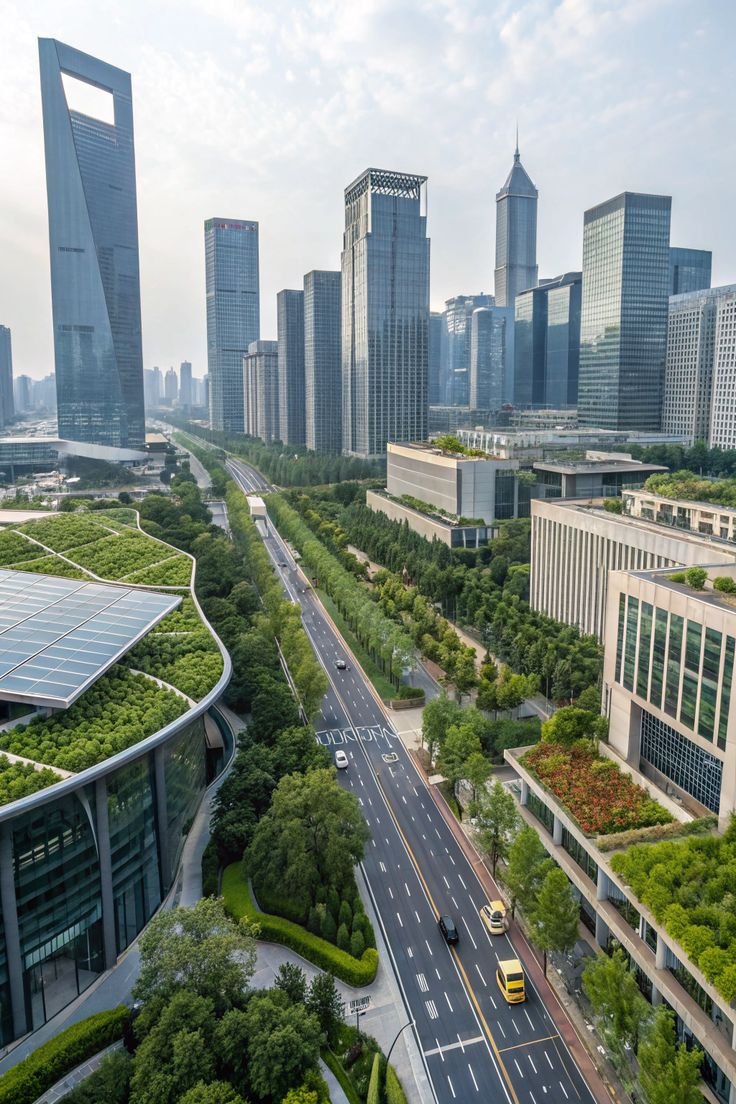
Introduction
Cities around the world are expanding at a rapid pace. As populations grow and more people move into urban areas, the demand for housing, offices, and infrastructure continues to increase. While this development supports economic growth and modernization, it also creates significant environmental challenges. Traditional construction methods often consume large amounts of energy, water, and natural resources, contributing to pollution and climate change.
In fact, buildings are responsible for a major share of global energy consumption and carbon emissions. Heating, cooling, lighting, and maintaining buildings require enormous amounts of electricity and fuel. As a result, urban planners, architects, and governments are searching for more sustainable ways to design and construct buildings.
One of the most effective solutions is the development of green buildings. Green buildings are designed to reduce environmental impact while improving energy efficiency, conserving water, and creating healthier indoor environments for occupants. These buildings use modern technologies, sustainable materials, and innovative design strategies to minimize waste and maximize efficiency.
Today, green buildings are transforming cities across the world. From energy-efficient office towers to eco-friendly residential homes, sustainable architecture is helping urban areas become more environmentally responsible while improving the quality of life for residents.
What Are Green Buildings?
Green buildings are structures designed to be environmentally responsible and resource-efficient throughout their entire life cycle. This includes the design phase, construction process, operation, maintenance, and even eventual demolition.
Unlike traditional buildings that focus mainly on functionality and cost, green buildings aim to balance environmental sustainability, economic efficiency, and human comfort.
Some common features found in green buildings include:
- Energy-efficient lighting systems such as LED lighting
- Solar panels that generate renewable electricity
- High-quality insulation to reduce heating and cooling needs
- Rainwater harvesting systems that collect and reuse water
- Eco-friendly construction materials such as recycled steel or bamboo
- Smart energy management systems that monitor and optimize energy use
These technologies allow buildings to operate with far less energy and resource consumption.
Environmental Benefits of Green Buildings
One of the most important advantages of green buildings is their positive impact on the environment. Sustainable construction helps reduce pollution and protect natural resources. Some key environmental benefits include:
- Lower energy consumption
Green buildings use efficient appliances, lighting, and insulation to reduce electricity use. - Reduced greenhouse gas emissions
Because they use less energy, green buildings produce fewer carbon emissions. - Water conservation
Water-saving fixtures and rainwater harvesting systems reduce water waste. - Reduced construction waste
Sustainable construction practices minimize the amount of waste sent to landfills. - Better use of renewable energy
Solar panels and other renewable energy technologies reduce reliance on fossil fuels.
Through these measures, green buildings contribute significantly to environmental protection.
Economic Advantages of Green Construction
While green buildings may require a slightly higher initial investment, they often provide significant financial benefits over time. Some economic advantages include:
- Lower utility bills
Energy-efficient systems reduce electricity and water costs. - Reduced maintenance expenses
High-quality materials and modern technologies often last longer and require fewer repairs. - Higher property value
Eco-friendly buildings are increasingly attractive to buyers and tenants. - Job creation
The green construction industry creates employment opportunities for engineers, architects, technicians, and construction workers.
As demand for sustainable buildings grows, the economic impact of green construction continues to expand.
Health and Social Benefits
In addition to environmental and financial advantages, green buildings also provide important health benefits for the people who live and work inside them.
Traditional buildings sometimes suffer from poor ventilation, chemical pollutants, and limited natural lighting. Green buildings address these issues through improved design and materials.
Benefits for occupants include:
- Improved indoor air quality due to better ventilation systems
- More natural lighting, which can improve mood and productivity
- Reduced exposure to harmful chemicals used in traditional construction materials
- More comfortable indoor temperatures through improved insulation
These factors contribute to healthier living and working environments.
The Role of Technology in Green Buildings
Modern technology plays a crucial role in making green buildings more efficient and sustainable. Smart technologies allow building managers and residents to monitor energy usage and adjust systems automatically to save energy. Examples of innovative technologies used in green buildings include:
- Smart thermostats that automatically adjust temperature settings
- Automated lighting systems that turn lights off when rooms are not in use
- Energy monitoring systems that track electricity consumption
- Green roofs that provide insulation and help reduce urban heat
These technologies help buildings operate more efficiently while reducing environmental impact.
Challenges Facing Green Building Development
Despite the many benefits of green buildings, there are still some challenges that slow their widespread adoption. Common challenges include:
- Higher upfront construction costs
- Limited awareness among developers and homeowners
- Lack of skilled professionals trained in sustainable construction
- Regulatory barriers or outdated building codes
However, as technology improves and governments introduce supportive policies, these barriers are gradually being overcome.
Conclusion
Green buildings are playing an increasingly important role in shaping the future of modern cities. By combining innovative design, energy-efficient technologies, and sustainable materials, these buildings reduce environmental impact while improving the quality of life for residents.
The benefits of green construction extend far beyond environmental protection. Lower energy costs, healthier living spaces, and long-term economic savings make sustainable buildings an attractive option for individuals, businesses, and governments alike.
As cities continue to grow and environmental challenges become more urgent, the importance of green buildings will only increase. By embracing sustainable construction practices today, urban communities can build cities that are not only modern and efficient but also environmentally responsible and resilient for future generations.