









Introduction
Modern lifestyles have made convenience a priority. From plastic packaging to disposable products, many items we use daily are designed to be thrown away after a single use. While this approach may save time, it creates an enormous environmental problem. Landfills around the world are filling up with waste, and much of it takes decades—or even centuries—to break down. As people become more aware of this issue, a growing movement toward zero-waste living is emerging.
A zero-waste home aims to reduce the amount of trash sent to landfills by rethinking how everyday products are purchased, used, and disposed of. The goal is not necessarily to produce absolutely no waste, but to minimize waste as much as possible through reuse, recycling, and responsible consumption. By making small but meaningful changes at home, individuals can significantly reduce their environmental impact.
The rise of zero-waste homes reflects a broader shift toward eco-living. More households are realizing that sustainable living does not require drastic sacrifices. Instead, it involves practical habits that reduce waste while saving money and resources.
Understanding the Zero-Waste Concept
The zero-waste philosophy encourages people to rethink how they consume and dispose of products. Instead of relying on single-use items, individuals are encouraged to adopt more sustainable alternatives.
Key principles of zero-waste living include:
- Refuse unnecessary items and packaging
- Reduce consumption of disposable products
- Reuse items instead of throwing them away
- Recycle materials whenever possible
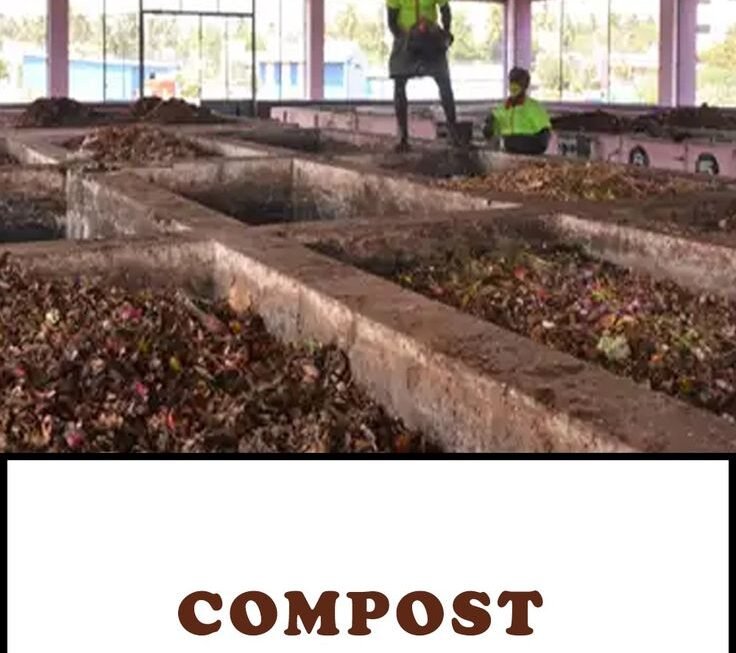
- Compost organic waste such as food scraps
These simple principles guide households toward more responsible waste management.
Benefits of a Zero-Waste Home
Adopting zero-waste practices offers several benefits for both individuals and the environment.
Environmental Benefits
- Reduces landfill waste
- Decreases plastic pollution
- Conserves natural resources
- Lowers greenhouse gas emissions
Financial Benefits
- Spending less on disposable items
- Saving money by repairing and reusing products
- Buying fewer unnecessary items
By reducing waste, households can protect the environment while improving their financial habits.
Practical Steps to Create a Zero-Waste Home
Transitioning to a zero-waste lifestyle can be done gradually. Small changes can have a significant impact. Some practical steps include:
- Using reusable shopping bags instead of plastic bags
- Switching to reusable water bottles and coffee cups
- Buying products in bulk to reduce packaging waste
- Composting kitchen scraps
- Repairing broken items instead of replacing them
Over time, these habits become part of everyday life and significantly reduce household waste.
Challenges of Zero-Waste Living
Despite its benefits, zero-waste living can present challenges. Some sustainable products may initially cost more, and not all communities have access to recycling or composting facilities. Additionally, changing long-established habits can take time and effort.
However, the growing popularity of eco-living is making zero-waste solutions more accessible. Many stores now offer refill stations, package-free products, and environmentally friendly alternatives.
Conclusion
The rise of zero-waste homes demonstrates that individuals can play a powerful role in protecting the environment. By reducing consumption, reusing materials, and adopting sustainable habits, households can significantly decrease the amount of waste they produce.
Zero-waste living is not about perfection—it is about making thoughtful choices that move society toward sustainability. As more people embrace this lifestyle, communities will become cleaner, healthier, and more environmentally responsible.