








Introduction.
Trees are one of the most valuable gifts nature provides. They clean the air, provide shade, support wildlife, and create beautiful environments for people to live and work in. Despite their importance, many communities around the world are experiencing deforestation and a decline in green spaces due to urbanization, construction, and increased population growth. When trees disappear, the effects are felt in many ways. Temperatures rise, air quality worsens, and natural habitats are destroyed. Communities that once enjoyed cool, green environments may begin to experience hotter climates and environmental degradation. This shows how closely human life is connected to nature. Fortunately, planting trees is a simple yet powerful solution to many environmental problems. Communities that invest in tree planting initiatives often experience environmental improvements, economic benefits, and stronger social connections. A single tree may seem small, but when many people work together to plant thousands of trees, the impact can be transformative. Tree planting is therefore not just an environmental activity—it is an investment in the future of communities and the planet.
Environmental Benefits of Planting Trees.
Trees play an essential role in maintaining environmental balance. They contribute to healthier ecosystems and help reduce environmental damage caused by human activity. Some important environmental benefits include:
- Improving Air Quality
Trees absorb carbon dioxide and release oxygen through the process of photosynthesis. This helps reduce pollution in the atmosphere and provides cleaner air for people to breathe. - Reducing Climate Change Effects
By absorbing greenhouse gases, trees help slow down the effects of global warming and climate change. - Preventing Soil Erosion
Tree roots hold soil together, preventing it from being washed away by rain or wind. This protects farmland and natural landscapes. - Supporting Biodiversity
Trees provide habitats for birds, insects, and other wildlife. Healthy forests support diverse ecosystems that are essential for environmental balance.
Through these contributions, trees play a vital role in protecting the planet.
Social and Community Benefits
Beyond environmental advantages, planting trees also improves the quality of life for people living in communities. Some social benefits include:
- Creating Beautiful Public Spaces
Parks, streets, and neighborhoods filled with trees become more attractive and enjoyable places to live. - Providing Shade and Comfort
Trees help reduce temperatures by providing shade, making outdoor spaces more comfortable for people. - Encouraging Community Participation
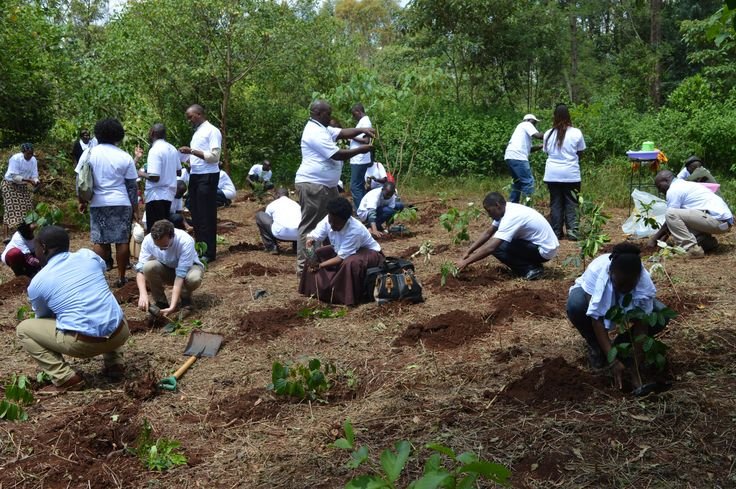
Tree planting activities often bring together residents, students, and organizations to work toward a common goal. - Promoting Mental Well-being
Studies show that green environments can reduce stress and improve overall mental health.
These benefits demonstrate how environmental actions can positively influence social life.
Economic Advantages of Tree Planting.
Planting trees also provides economic value to communities. Some financial and economic benefits include:
- Increasing Property Value
Neighborhoods with trees and green spaces are often more attractive to residents and investors. - Reducing Energy Costs
Trees provide natural shade that can lower indoor temperatures, reducing the need for air conditioning. - Creating Employment Opportunities
Tree planting programs can create jobs in landscaping, environmental conservation, and urban planning. - Supporting Agriculture
Trees help maintain soil fertility and protect crops from strong winds, supporting agricultural productivity.
These advantages show that tree planting contributes to both environmental and economic sustainability.
Encouraging Tree Planting in Communities.
Communities can promote tree planting through simple and practical initiatives. Schools, local governments, environmental organizations, and residents all play important roles in these efforts. Some effective actions include:
• Organizing community tree planting days.
• Encouraging schools to include environmental education programs.
• Protecting existing forests and green spaces.
• Supporting local environmental organizations.
When people work together, communities can restore natural environments and create greener spaces for future generations.
Conclusion.
Trees are far more than decorative elements in landscapes. They are essential for environmental protection, community well-being, and economic sustainability. By improving air quality, supporting wildlife, and creating healthier living environments, trees provide countless benefits to both nature and society. Planting trees is a simple action with powerful results. It requires cooperation, commitment, and awareness from individuals and communities alike. When people come together to plant and protect trees, they create a legacy that will benefit future generations. In a world facing increasing environmental challenges, planting trees represents hope, responsibility, and progress. Every tree planted today is a step toward a greener, healthier, and more sustainable tomorrow.