








Introduction
Energy is an essential part of modern life. It powers homes, industries, transportation systems, and communication networks. Almost every activity in today’s world depends on a reliable supply of energy. For many years, however, most of the world’s energy has come from fossil fuels such as coal, oil, and natural gas. While these energy sources have supported economic growth and development, they have also created serious environmental challenges. Burning fossil fuels releases large amounts of greenhouse gases into the atmosphere. These gases contribute to climate change, air pollution, and various health problems. As global populations grow and energy demand increases, the environmental impact of traditional energy sources becomes even more concerning. Because of these challenges, many countries and communities are turning to renewable energy as a cleaner and more sustainable solution. Renewable energy comes from natural sources that are continuously replenished, such as sunlight, wind, water, and geothermal heat. By investing in renewable energy technologies, societies can reduce pollution, protect natural resources, and build a more sustainable future.
Understanding Renewable Energy
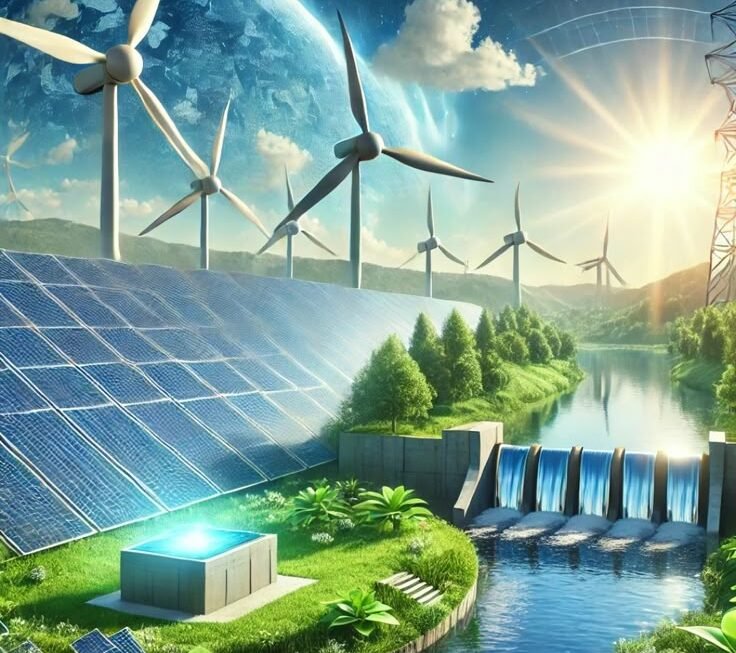
Renewable energy refers to energy generated from natural resources that are constantly renewed and do not run out over time. Unlike fossil fuels, renewable energy sources can be used repeatedly without causing permanent environmental damage. Common types of renewable energy include:
- Solar energy – Energy produced from sunlight using solar panels
- Wind energy – Energy generated by wind turbines
- Hydropower – Energy produced from flowing or falling water
- Geothermal energy – Heat energy from beneath the Earth’s surface
- Biomass energy – Energy produced from organic materials such as plant waste
These energy sources provide cleaner alternatives to fossil fuels.
Environmental Benefits of Renewable Energy
One of the main reasons renewable energy is gaining popularity is its positive impact on the environment. Renewable energy technologies produce far fewer harmful emissions than traditional energy sources. Some key environmental benefits include:
- Reduced greenhouse gas emissions, which help slow climate change
- Improved air quality, reducing health risks associated with pollution
- Less environmental destruction compared to mining and drilling for fossil fuels
- Conservation of natural resources, since renewable sources are naturally replenished
These benefits make renewable energy an important tool in addressing global environmental challenges.
Economic Advantages of Renewable Energy
In addition to environmental benefits, renewable energy also provides significant economic opportunities. As the renewable energy industry grows, it creates jobs and supports economic development.
Economic benefits include:
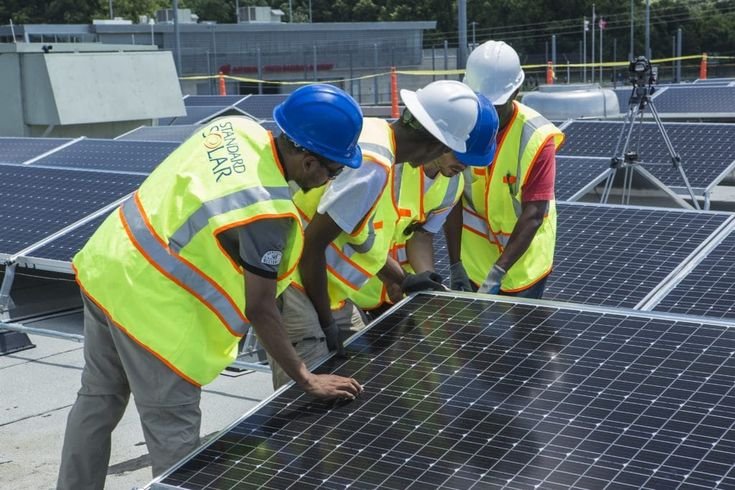
- Job creation in industries such as solar installation, wind turbine maintenance, and energy research
- Reduced energy costs over time, especially as renewable technologies become more efficient
- Energy independence, reducing reliance on imported fossil fuels
- Innovation and technological development in the energy sector
Many countries are investing heavily in renewable energy because of its long-term economic potential.
Solar Energy: Harnessing the Power of the Sun
Solar energy is one of the most widely used forms of renewable energy. Solar panels capture sunlight and convert it into electricity that can power homes, businesses, and even entire cities. Advantages of solar energy include:
- Abundant and widely available sunlight in many regions
- Low operating and maintenance costs once installed
- Ability to generate electricity even on a small scale, such as rooftop systems
As technology improves, solar energy is becoming more affordable and accessible to households and businesses around the world.
Wind Energy: A Growing Power Source
Wind energy is another rapidly expanding renewable energy source. Wind turbines convert the movement of air into electrical power.
Benefits of wind energy include:
- Clean energy production with no direct emissions
- Ability to generate large amounts of electricity in windy areas
- Efficient use of land, since farmland can often coexist with wind farms
Wind power has become an important component of many national energy strategies.
Challenges Facing Renewable Energy
Despite its many advantages, renewable energy still faces several challenges that must be addressed.
Some common challenges include:
- High initial installation costs for renewable energy systems
- Energy storage limitations, since some sources like solar and wind depend on weather conditions
- Infrastructure requirements, including upgraded power grids and transmission systems
- Public awareness and policy support needed for wider adoption
However, continued technological improvements and government support are helping overcome these challenges.
The Role of Governments and Communities
Governments and communities play a crucial role in promoting renewable energy adoption. Policies, incentives, and public education can encourage businesses and households to switch to cleaner energy sources.
Examples of supportive initiatives include:
- Providing financial incentives or tax edits for renewable energy systems
- Investing in research and development of energy technologies
- Building infrastructure to support renewable power distribution
- Promoting awareness about sustainable energy practices
These actions help accelerate the transition toward a greener energy system.
The Future of Renewable Energy
The future of energy is increasingly focused on sustainability. As renewable technologies continue to improve, they are becoming more efficient and affordable. Many experts believe that renewable energy will play a dominant role in global energy production in the coming decades. Future developments may include:
- More advanced solar panel technologies
- Improved energy storage systems such as large-scale batteries
- Greater integration of renewable energy into national power grids
- Increased global cooperation on climate and energy policies
These developments will help create a cleaner and more sustainable energy future.
Conclusion
Renewable energy represents one of the most promising solutions to the environmental challenges caused by traditional fossil fuels. By harnessing natural resources such as sunlight, wind, and water, renewable energy technologies provide cleaner and more sustainable ways to power modern societies. Although challenges still exist, the benefits of renewable energy are clear. Reduced pollution, economic opportunities, and long-term sustainability make renewable energy an essential part of global development. Governments, businesses, and individuals all have a role to play in supporting the transition toward cleaner energy systems. By embracing renewable energy today, societies can build a future where economic progress and environmental protection go hand in hand. The shift toward renewable power is not only necessary for protecting the planet but also for creating a healthier and more sustainable world for generations to come.