








Introduction
The fashion industry is one of the largest and most influential industries in the world. Every year, billions of clothing items are produced, sold, and worn by people across the globe. Fashion allows individuals to express themselves, reflect cultural trends, and adapt to changing seasons. However, behind the creativity and style of the fashion world lies a serious environmental and social problem. The rapid growth of fast fashion has led to excessive production and consumption of clothing.
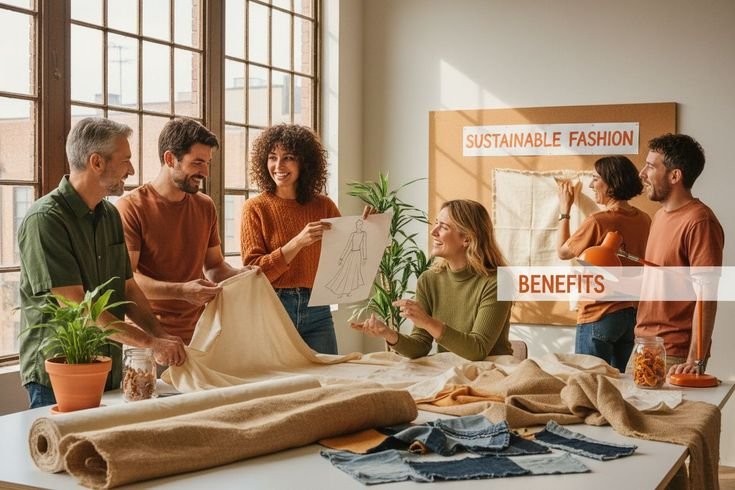
Fast fashion refers to the practice of producing large quantities of inexpensive clothing quickly to keep up with constantly changing trends. While this makes fashion more affordable and accessible, it also creates massive waste, pollution, and unethical labor practices. As awareness of these issues grows, many consumers and companies are turning toward sustainable fashion. Sustainable fashion focuses on producing clothing in ways that are environmentally friendly, socially responsible, and economically fair. It encourages mindful consumption, ethical production, and longer-lasting clothing.
By adopting sustainable fashion practices, individuals and businesses can help reduce environmental damage while promoting a more responsible and ethical clothing industry.
Understanding Sustainable Fashion
Sustainable fashion refers to clothing that is designed, produced, and consumed in ways that minimize environmental impact and respect human rights.Ultimately, it aims to create a balance between fashion, environmental protection, and ethical production.To achieve this balance, key elements of sustainable fashion include:
- Using eco-friendly materials such as organic cotton, hemp, and recycled fabrics
- Reducing waste during clothing production
- Ensuring fair wages and safe working conditions for garment workers
- Encouraging consumers to buy fewer but higher-quality clothing items
- Promoting recycling and reuse of clothing
These practices help make the fashion industry more sustainable and responsible.
Environmental Impact of Fast Fashion
Fast fashion has become a major contributor to environmental pollution. The industry consumes large amounts of natural resources and produces significant waste. Major environmental problems caused by fast fashion include:
- Excessive textile waste ending up in landfills
- High water consumption used in cotton farming and textile production
- Chemical pollution from dyes and fabric treatments
- Carbon emissions generated by manufacturing and global shipping
For example, producing a single cotton shirt requires thousands of liters of water. When millions of garments are produced every year, the environmental cost becomes enormous.
Benefits of Sustainable Fashion
Sustainable fashion provides several important benefits for the environment, workers, and consumers.
Some key advantages include:
- Reduced environmental pollution through eco-friendly materials and processes
- Lower carbon footprint due to responsible production and transportation
- Better working conditions for factory employees
- Higher quality clothing that lasts longer
- Encouragement of mindful consumption habits
These benefits help create a fashion system that supports both people and the planet.
Eco-Friendly Materials in Sustainable Fashion
One of the main strategies in sustainable fashion is the use of environmentally friendly materials. These materials are produced with minimal environmental damage and often require fewer resources.
Common eco-friendly fabrics include:
- Organic cotton, grown without harmful pesticides
- Hemp, a durable and low-water crop
- Bamboo fabric, which grows quickly and requires little fertilizer
- Recycled polyester, made from plastic bottles or recycled textiles
- Tencel or Lyocell, produced from sustainably sourced wood pulp
Using these materials helps reduce pollution and conserve natural resources.
The Role of Clothing Recycling and Reuse
Another important aspect of sustainable fashion is extending the life cycle of clothing. Instead of discarding garments quickly, consumers can reuse, repair, or recycle them.
Ways to extend clothing life include:
- Donating clothes to charities or second-hand shops
- Buying vintage or thrift clothing
- Repairing damaged garments instead of replacing them
- Upcycling old clothing into new designs or accessories
- Participating in clothing swaps with friends or communities
These practices reduce textile waste and promote a circular fashion economy.
The Role of Consumers in Sustainable Fashion
Consumers play a powerful role in shaping the future of the fashion industry. By making thoughtful purchasing decisions, individuals can encourage companies to adopt sustainable practices.
Consumers can support sustainable fashion by:
- Buying fewer but higher-quality clothing items
- Supporting brands that prioritize ethical production
- Avoiding impulse purchases influenced by short-term trends
- Learning about the environmental impact of clothing production
When consumer demand shifts toward sustainability, companies are more likely to change their production methods.
Challenges Facing Sustainable Fashion
Despite its benefits, sustainable fashion still faces several challenges.
Some common obstacles include:
- Higher production costs compared to fast fashion
- Limited consumer awareness about sustainable clothing
- Greenwashing, where companies falsely claim to be environmentally friendly
- Difficulty recycling some fabrics that contain mixed materials
However, increasing awareness and innovation in textile technology are helping overcome these challenges.
The Future of Sustainable Fashion
The future of fashion is increasingly focused on sustainability. Many fashion brands are investing in new technologies and practices that reduce environmental impact.
Emerging trends include:
- Circular fashion models where clothes are recycled into new garments
- Digital fashion design that reduces production waste
- Biodegradable fabrics that decompose naturally after use
- Rental fashion services that allow people to borrow clothing instead of buying new items
These innovations show that fashion can evolve into a more sustainable and responsible industry.
Conclusion
Sustainable fashion represents a powerful movement toward a more responsible and environmentally conscious clothing industry. By focusing on ethical production, eco-friendly materials, and mindful consumption, sustainable fashion aims to reduce the environmental damage caused by fast fashion while improving working conditions for garment workers.
Consumers play an essential role in this transformation. By choosing quality over quantity, supporting ethical brands, and extending the life of clothing through reuse and recycling, individuals can significantly reduce their environmental footprint.
As awareness continues to grow, sustainable fashion will become an increasingly important part of global efforts to protect the environment and promote fair labor practices. The choices people make today about what they wear can help shape a fashion industry that values creativity, responsibility, and sustainability for generations to come.