








Introduction.
Technology has transformed the way we live, work, and interact with the world. From smartphones and smart homes to renewable energy systems and electric vehicles, technological innovations shape modern life in ways that were unimaginable just a few decades ago. While some technologies have contributed to environmental degradation, many advancements are now driving eco-living, offering practical solutions to sustainability challenges. Green technology, also called clean technology, focuses on creating products, systems, and processes that minimize environmental harm, reduce resource consumption, and promote sustainable development. By integrating technology into daily life in an eco-conscious way, individuals, businesses, and governments can reduce pollution, conserve natural resources, and build a greener future. The exciting aspect of technological advancement is that it empowers ordinary people to make sustainable choices. From reducing energy consumption at home to improving agricultural practices and transportation efficiency, technology enables practical actions that benefit both the environment and human life.
Renewable Energy and Sustainable Power.
One of the most significant contributions of technology to eco-living is the development of renewable energy systems. Traditional power generation from fossil fuels releases carbon dioxide and other greenhouse gases that drive climate change. Renewable technologies provide cleaner alternatives. Key renewable energy innovations include:
- Solar power – Solar panels convert sunlight into electricity, reducing dependence on coal or petroleum. Small rooftop solar systems allow households to generate their own electricity, lower bills, and reduce environmental impact.
- Wind energy – Modern wind turbines generate electricity without burning fossil fuels. Wind farms, both onshore and offshore, are becoming more efficient and accessible worldwide.
- Hydropower and micro-hydro systems – Water-based energy solutions harness flowing water to generate electricity. Small-scale micro-hydro systems are especially useful in rural communities with access to streams or rivers.
These renewable energy technologies not only reduce carbon emissions but also support energy independence and resilience during power shortages.
Smart Homes and Energy Efficiency.
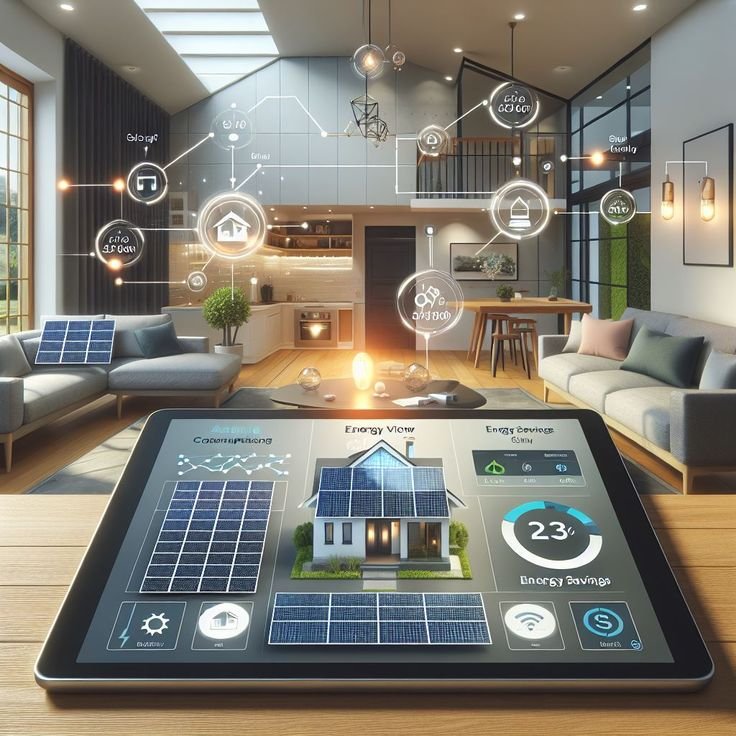
Technological innovation has transformed how households manage energy, water, and waste. Smart home devices are a growing trend in eco-living, offering convenience and sustainability simultaneously.
Some practical applications of smart technology include:
- Smart thermostats – These devices learn household patterns and adjust heating or cooling automatically, reducing unnecessary energy use.
- Automated lighting systems – Motion sensors and timers prevent lights from staying on in unoccupied rooms, conserving electricity.
- Water-monitoring systems – Smart meters track water usage, alerting households to leaks and helping reduce wastage.
- Connected appliances – Energy-efficient appliances can be monitored remotely, ensuring they operate at optimal efficiency while lowering utility costs.
By integrating these technologies, households can significantly reduce their environmental footprint while saving money and improving comfort.
Eco-Friendly Transportation Technologies.
Transportation is a major contributor to global pollution, but technological advancements are making greener commuting possible. Electric vehicles (EVs), hybrid cars, and e-bikes are replacing traditional fossil-fuel-powered modes of travel.
Benefits of technological innovations in transportation include:
- Reduced emissions – EVs produce zero tailpipe emissions, contributing to cleaner air in cities.
- Energy efficiency – Hybrid vehicles and electric bikes consume less energy per kilometer traveled compared to conventional vehicles.
- Alternative mobility solutions – Apps for ride-sharing, e-scooters, and public transport scheduling reduce traffic congestion and encourage sustainable commuting habits.
These technological advancements not only lower environmental impact but also promote healthier, more active lifestyles in communities.
Agricultural Innovations for Eco-Living.
Technology has also revolutionized farming practices, making agriculture more efficient and environmentally friendly. Sustainable farming technologies aim to increase food production while reducing the use of water, fertilizers, and pesticides.
Examples include:
- Precision agriculture – Sensors, drones, and GPS systems help farmers monitor soil health, water levels, and crop growth to apply resources only where needed.
- Automated irrigation systems – Smart irrigation reduces water waste and ensures crops receive the right amount of hydration.
- Vertical and hydroponic farming – These methods allow food production in limited spaces with minimal water usage and reduced land impact.
By applying technological solutions, farmers can meet growing food demands without harming the environment.
Community and Policy Support.
Technology alone cannot drive eco-living; it requires community adoption and supportive policies. Governments, organizations, and individuals play a role in promoting green technology.
- Incentives for renewable energy adoption – Tax breaks or subsidies encourage households and businesses to install solar panels or other clean energy systems.
- Smart city planning – Integrating technology into urban planning improves public transport, waste management, and energy use.
- Education and awareness – Apps, online platforms, and social media campaigns can inform people about eco-friendly technologies and encourage responsible usage.
When technological innovation aligns with policy and community action, the impact on sustainability is amplified.
Conclusion.
Technological advancements are reshaping the possibilities for eco-living. Renewable energy, smart home devices, green transportation, and sustainable agricultural practices demonstrate that modern innovation can address environmental challenges effectively.
Green technology empowers households, businesses, and communities to reduce resource consumption, lower pollution, and adopt more responsible lifestyles. The key to success lies in using these tools thoughtfully, integrating them into daily habits, and supporting policies that prioritize sustainability.
Ultimately, eco-living is not about rejecting technology but embracing it in ways that protect the planet. By leveraging innovation responsibly, humanity can enjoy the benefits of modern life while leaving a healthier, greener world for future generations.