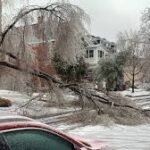








Severe winter weather has once again reminded Canadians how powerful nature can be. The recent Ottawa weather ice storm has brought freezing rain, dangerous road conditions, and widespread disruptions across parts of Ontario and Quebec. At the same time, many residents are dealing with a power outage in Montreal, as icy conditions affect power lines and infrastructure.
From hazardous travel to power outages and icy streets, the Montreal ice storm and Ottawa freezing rain event have become major weather stories across Canada. In this article, we’ll break down what’s happening, why ice storms are so dangerous, and what people should expect in the coming days.
Ottawa Weather Ice Storm: A Dangerous Winter Event
The Ottawa weather ice storm has developed as freezing rain moves across eastern Ontario. Unlike regular snowfall, freezing rain occurs when rain falls through cold air and freezes instantly when it hits surfaces like roads, trees, cars, and power lines.
This type of weather can quickly create dangerous conditions such as:
- Slippery roads and sidewalks
- Heavy ice buildup on trees
- Downed power lines
- Widespread travel delays
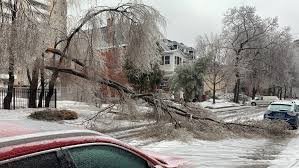
Ice accumulation from freezing rain can also weigh heavily on tree branches and electrical infrastructure, increasing the risk of outages and damage.
Why Ice Storms Cause Power Outages
One of the biggest concerns during a Montreal ice storm or Ottawa freezing rain event is the potential for power outages.
Ice storms are especially damaging to power systems because ice can accumulate on:
- Power lines
- Utility poles
- Trees near electrical infrastructure
When thick ice builds up, branches may snap and fall onto power lines. In severe cases, the weight of the ice itself can cause lines to sag or break.
This is why many areas experience power outages in Montreal and surrounding regions during major freezing rain events.
Montreal Power Outage: Impact on Residents
The Montreal power outage situation has affected households, businesses, and transportation systems across parts of the city.
Residents dealing with outages may face several challenges:
Heating Issues
During winter, losing electricity can also mean losing heating systems, which can be dangerous during freezing temperatures.
Traffic Problems
Traffic lights may stop working during power outages, creating dangerous intersections and slower traffic flow.
Communication Disruptions
Some internet services and mobile networks may be affected when power infrastructure is disrupted.
Because of these issues, local authorities often urge residents to limit travel during severe ice storms.
Montreal Ice Storm: Travel and Safety Concerns
The Montreal ice storm has made travel difficult across parts of Quebec.
Ice-covered roads can cause:
- Car accidents
- Delayed public transportation
- Flight disruptions
- School closures
Even walking outside can become dangerous, as sidewalks quickly turn into sheets of ice.
Authorities usually recommend several safety precautions during an ice storm:
- Avoid unnecessary travel
- Drive slowly and carefully
- Stay indoors when possible
- Prepare emergency supplies
How Ice Storms Form
Ice storms occur under very specific weather conditions. They typically develop when warm air passes over a layer of cold air near the ground.
Here’s how the process works:
- Snow forms high in the atmosphere.
- The snow melts into rain as it falls through warm air.
- The rain passes through cold air near the surface.
- When the rain hits the ground, it freezes instantly.
This process creates a thin but extremely dangerous layer of ice on surfaces.
Comparing Ottawa and Montreal Winter Storm Impacts
Although both cities frequently experience winter storms, ice storms can affect Ottawa and Montreal differently.
Ottawa
Ottawa often sees freezing rain events due to shifting temperatures between Ontario and Quebec weather systems.
Montreal
Montreal’s dense urban infrastructure means ice storms can cause major disruptions, especially when power lines and transportation systems are affected.
Both cities have experienced severe ice storms in the past that caused widespread outages and damage.
Preparing for Ice Storms in Canada
The Ottawa weather ice storm and Montreal power outage events highlight the importance of winter preparedness.
Residents are encouraged to prepare emergency kits containing:
- Flashlights and batteries
- Portable phone chargers
- Blankets and warm clothing
- Non-perishable food
- Bottled water
Having these supplies ready can make a big difference during extended power outages.
When Will the Ice Storm End?
Weather forecasts suggest that freezing rain may gradually transition to snow or rain as temperatures shift. However, even after precipitation stops, ice-covered roads and infrastructure can remain dangerous.
Cleanup and restoration efforts after a Montreal ice storm may take time, especially if large numbers of power lines or trees are affected.
Utility crews usually work around the clock to restore electricity after major outages.
The Bigger Picture: Increasing Extreme Weather Events
Events like the Ottawa ice storm and Montreal power outage highlight how extreme weather can disrupt daily life.
Climate patterns are becoming more unpredictable, which means cities must continue improving infrastructure and emergency response systems to handle severe storms.
Communities across Canada are investing in:
- Stronger electrical infrastructure
- Improved weather forecasting
- Emergency preparedness programs
These efforts aim to reduce the impact of future winter storms.
The Ottawa weather ice storm and Montreal ice storm serve as reminders of how quickly winter weather can turn dangerous. From icy roads to widespread power outages in Montreal, these storms affect thousands of people and require careful preparation.
Residents are encouraged to stay informed, follow local weather updates, and prioritize safety until conditions improve.
While ice storms are a regular part of Canadian winters, preparation and awareness can help communities stay safe during these powerful weather events.