








Introduction.
Food waste is something most people don’t think about—until they open the fridge and find vegetables that have gone bad or leftovers that were forgotten. A “smart kitchen” is not about expensive technology. It’s about being intentional, organized, and conscious with the food we buy and cook. Reducing food waste at home saves money, protects the environment, and builds better habits. The good news? Anyone can do it.
Why Food Waste Matters.
Every time food is thrown away, more than just food is wasted. Think about it:
- The water used to grow it
- The fuel used to transport it
- The electricity used to store it
- The time and money spent buying it
When food rots in landfills, it also produces methane, a gas that contributes to climate change. That means reducing food waste is not just a personal financial decision—it’s an environmental responsibility.
Simple steps to follow
Step 1: Plan Before You Shop.
A smart kitchen begins before you even enter the supermarket.
A) Make a Weekly Meal Plan
Know what you will cook during the week. This helps you:
- Buy only what you need
- Avoid impulse purchases
- Use ingredients efficiently
B) Check Your Kitchen First
Before shopping:
- Look inside your fridge
- Check your pantry
- Note what is close to expiring
This prevents buying duplicates and forgetting what you already have.
C) Shop with a List
A shopping list reduces unnecessary spending and lowers the chance of overbuying.
Step 2: Store Food Properly.
Sometimes food spoils simply because it is not stored correctly. This is how you can store some food stuffs.
Vegetables
- Keep leafy greens in breathable bags.
- Store potatoes and onions in cool, dry places (not in the fridge).
- Keep herbs in water like flowers.
Dairy
- Store milk and yogurt in the coldest part of the fridge.
- Avoid keeping them on the fridge door where temperature changes often.
Bread
- Freeze extra bread if you won’t finish it within a few days.
Small storage changes can extend shelf life significantly.
Step 3: Understand Expiry Dates
Many people throw food away because of confusion about labels.
- “Best Before” means quality may reduce after that date—but the food is often still safe.
- “Use By” means it should be consumed before that date for safety reasons.
Learning this difference can reduce unnecessary waste.
Step 4: Cook Smarter
A smart kitchen means cooking with awareness.
Use Leftovers Creatively
Instead of throwing away leftovers:
- Turn leftover rice into fried rice.
- Blend overripe fruits into smoothies.
- Use vegetable scraps to make soup stock.
Creativity reduces waste and saves money.
Cook Smaller Portions
If food is regularly left on plates:
- Reduce serving sizes.
- Allow people to take second servings if needed.
This prevents daily food disposal.
Step 5: Organize Your Fridge.
An organized fridge is a powerful tool against waste.
Follow the “First In, First Out” Rule
- Place older items at the front.
- Put new groceries at the back.
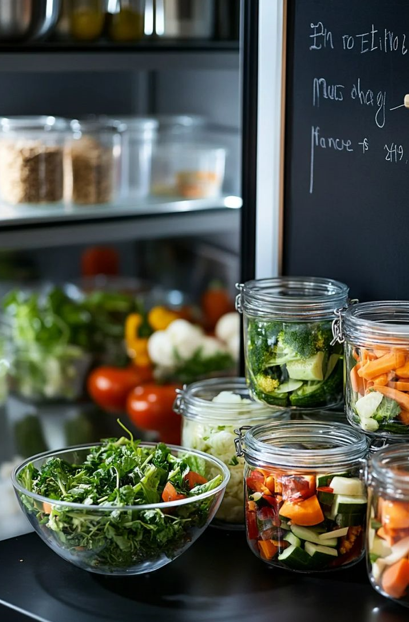
Use Clear Containers
When you can see your leftovers, you are more likely to eat them.
Label Food
Write dates on containers so you know when they were prepared.
Small Habits, Big Environmental Impact.
Sometimes we underestimate how small actions matter. But small daily kitchen habits can create powerful long-term impact.Examples of Small Habits:
- Finish leftovers before cooking something new.
- Choose “ugly” fruits and vegetables that supermarkets often ignore.
- Compost food scraps if possible.
- Avoid buying in bulk unless you truly need it.
If one household reduces food waste by even 25%, imagine the impact if thousands of households did the same.
Financial Benefits of Reducing Food Waste
A smart kitchen is also a money-saving kitchen.
When you reduce waste:
- You spend less on groceries.
- You avoid frequent emergency take-out meals.
- You reduce unnecessary shopping trips.
- You stretch your monthly food budget further.
Over time, these savings can become significant.
Technology Can Help Too.
While a smart kitchen does not require expensive gadgets, some simple tools can help:
- Grocery list apps
- Reminder apps for expiry dates
- Portion measurement tools
- Freezer labeling systems
Technology should support your habits—not replace them.
Building a Long-Term Mindset
Reducing food waste is not about being perfect. It is about being intentional. Ask yourself:
- Do I really need this much food?
- Can I use this ingredient in another recipe?
- Am I throwing this away too quickly?
When food is treated with value and respect, waste naturally decreases.
Conclusion
A smart kitchen is not defined by modern appliances. It is defined by smart decisions. Planning meals, storing food correctly, organizing your fridge, and reusing leftovers can dramatically reduce waste at home. By reducing food waste, you: Save money, Protect the environment, Build responsible habits and Contribute to a more sustainable future
Every meal is an opportunity to make a better choice. And it starts in your kitchen.