









Introduction.
Food plays a central role in human life. It provides the energy needed for daily activities, supports physical health, and brings people together through culture and tradition. However, the global food system also has a significant impact on the environment. From farming and processing to packaging and transportation, food production requires natural resources such as water, land, and energy. As the global population continues to grow, the demand for food increases. This growing demand can place pressure on ecosystems and contribute to environmental problems such as deforestation, greenhouse gas emissions, and water scarcity. For this reason, many individuals and communities are beginning to focus on sustainable food choices. Sustainable eating refers to selecting foods that are produced in ways that protect the environment, support local communities, and promote long-term food security. By becoming more aware of how food choices affect the planet, individuals can make decisions that benefit both their health and the environment.
Environmental Impact of Food Production.
Modern agriculture has made it possible to produce large quantities of food, but it also creates environmental challenges. Many farming practices rely heavily on chemical fertilizers, pesticides, and large amounts of water.
Some of the major environmental impacts include:
- Greenhouse gas emissions from livestock farming and agricultural machinery
- Deforestation caused by expanding farmland for crops and grazing
- Water pollution from fertilizers and pesticides entering rivers and lakes
- High energy consumption during food processing and transportation
- Soil degradation due to intensive farming methods
These environmental challenges highlight the importance of adopting more sustainable approaches to food production and consumption.
Benefits of Sustainable Eating.
Choosing sustainable foods can create positive outcomes for both individuals and the planet. Some important benefits include:
- Environmental protection – Sustainable practices reduce pollution and conserve natural resources.
- Better nutrition – Many sustainable diets include more fruits, vegetables, and whole foods.
- Support for local farmers – Buying local products helps strengthen community economies.
- Reduced food waste – Sustainable habits encourage more responsible consumption.
- Long-term food security – Protecting natural resources ensures future generations can access food.
These benefits demonstrate that sustainable eating is not only good for the environment but also beneficial for human health.
Practical Ways to Eat More Sustainably
Adopting sustainable food habits does not require dramatic lifestyle changes. Small adjustments can have a meaningful impact when practiced consistently.
1. Choosing Local and Seasonal Foods
Buying local foods helps reduce the environmental impact associated with long-distance transportation. Foods grown nearby usually travel shorter distances before reaching consumers. Benefits of choosing local and seasonal foods include:
- Fresher produce with better nutritional value
- Reduced fuel use during transportation
- Support for regional farmers and markets
- Lower packaging waste
Seasonal foods are also often more affordable and environmentally friendly.
2. Reducing Food Waste.
Food waste is one of the biggest challenges within the global food system. Large quantities of edible food are discarded every day in homes, restaurants, and supermarkets. Ways to reduce food waste include:
- Planning meals before shopping
- Purchasing only necessary ingredients
- Storing food properly to extend freshness
- Using leftovers creatively in new recipes
- Composting organic waste when possible
Reducing food waste helps conserve the resources used to grow and transport food.
3. Incorporating More Plant-Based Meals.
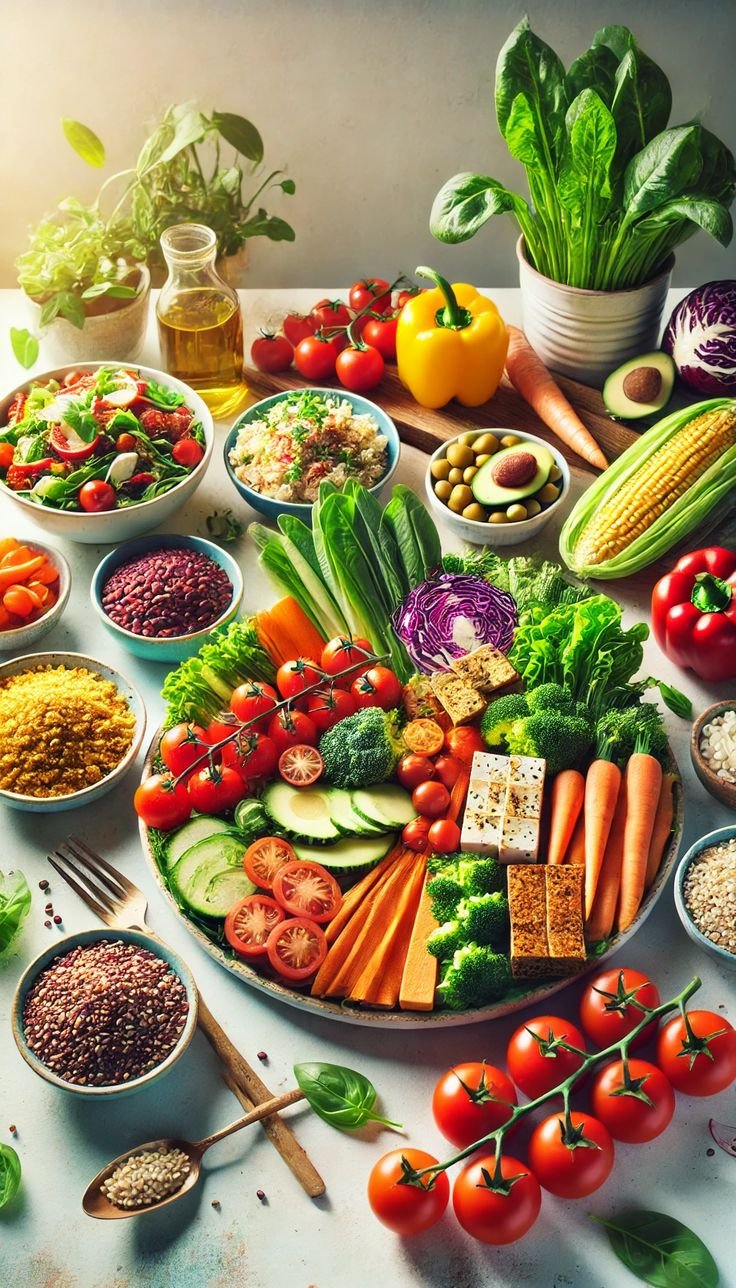
Plant-based foods generally require fewer resources than animal-based products. Increasing the number of plant-based meals in a diet can significantly reduce environmental impact. Plant-based eating can include foods such as:
- Vegetables and fruits
- Beans and legumes
- Whole grains
- Nuts and seeds
Benefits of plant-based meals include reduced greenhouse gas emissions, lower water use, and improved overall health.
4. Supporting Sustainable Food Producers.
Consumers have the power to influence the food industry through their purchasing decisions. Supporting producers who use environmentally responsible practices encourages more sustainable farming.
Consumers can support sustainability by:
- Purchasing organic or responsibly produced foods when possible
- Choosing products with minimal packaging
- Buying from farmers’ markets or local producers
- Learning about how food is produced and sourced
These choices encourage businesses and farmers to prioritize environmentally friendly methods.
The Role of Consumer Awareness.
Education and awareness play an important role in promoting sustainable food systems. When people understand how their food choices affect the environment, they are more likely to adopt responsible habits.
Consumer awareness can grow through:
- Learning about food production methods
- Reading labels and product information
- Participating in community food programs
- Sharing knowledge about sustainability with others
Collective awareness can influence the global food system and encourage long-term environmental protection.
Conclusion.
Sustainable food choices offer an effective way for individuals to contribute to environmental protection. While global food systems are complex, everyday decisions about what we eat can create meaningful change. By choosing local foods, reducing waste, incorporating more plant-based meals, and supporting responsible producers, individuals can help build a healthier and more sustainable food system.
These actions not only protect natural resources but also promote healthier lifestyles and stronger communities. As awareness of sustainability continues to grow, more people are recognizing the importance of responsible food consumption.
Ultimately, sustainable eating is about balance. It involves making thoughtful choices that support both personal health and the well-being of the planet. Through small but consistent actions, individuals can contribute to a future where food systems are more environmentally responsible and capable of supporting generations to come.