








Introduction.
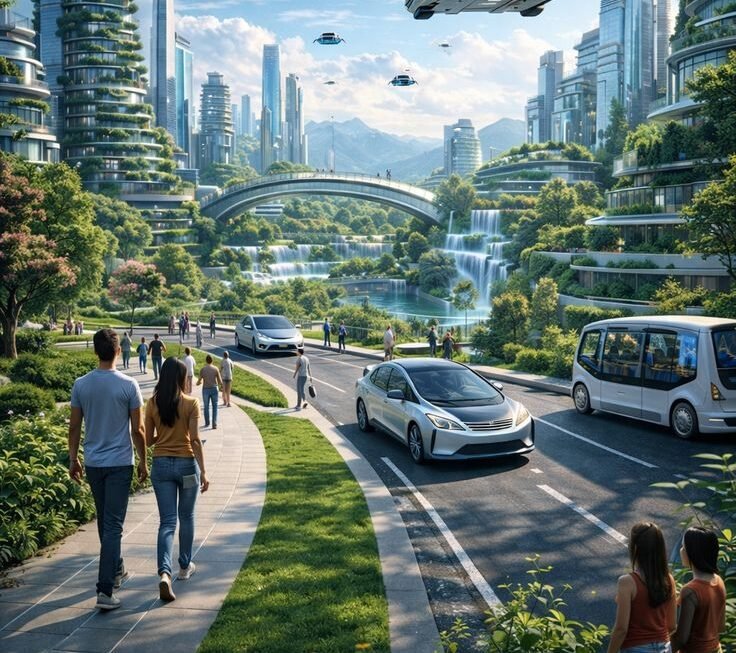
Cities are home to more than half of the world’s population, and urban areas continue to grow rapidly. While cities are hubs of innovation, culture, and economic activity, they also pose significant environmental challenges. High energy consumption, traffic congestion, pollution, and waste generation make urban living resource-intensive. However, cities also offer unique opportunities for sustainable living. Dense populations, shared infrastructure, and concentrated resources allow for impactful environmental initiatives. Urban sustainability focuses on creating greener, healthier, and more efficient cities while maintaining quality of life for residents. By integrating eco-friendly practices into urban design, policies, and daily routines, cities can lead the way toward a more sustainable future.
The Environmental Challenges of Urban Living.
Urban areas face several environmental pressures, including:
- High energy demand – Cities rely heavily on electricity for homes, offices, and public infrastructure.
- Air pollution – Vehicle emissions, industrial activity, and construction contribute to poor air quality.
- Waste management issues – Large populations generate massive amounts of waste, often overwhelming recycling systems.
- Limited green space – Dense buildings reduce areas for parks, trees, and natural habitats.
- Water scarcity – Urban water demand can strain local water resources.
Addressing these challenges requires deliberate planning and participation from residents, governments, and businesses alike.
Strategies for Building Sustainable Cities
Urban sustainability involves combining smart planning with community engagement. Cities around the world have successfully implemented strategies to reduce their environmental impact:
1. Promoting Public Transportation
Transportation is a major contributor to urban carbon emissions. Cities can reduce this impact by:
- Developing efficient bus and train networks
- Encouraging walking and cycling through dedicated lanes
- Implementing carpooling programs and electric vehicle incentives
Reducing reliance on private vehicles lowers emissions and improves air quality, while also easing traffic congestion.
2. Green Buildings and Energy Efficiency
Buildings consume large amounts of energy for heating, cooling, and lighting. Sustainable construction and retrofitting can make a big difference:
- Using energy-efficient appliances and lighting systems
- Installing solar panels and renewable energy sources
- Improving insulation and ventilation for reduced energy consumption
- Designing buildings to maximize natural light and airflow
Energy-efficient buildings lower utility costs while reducing urban carbon footprints.
3. Expanding Urban Green Spaces
Parks, gardens, and green rooftops are more than aesthetic features; they play a crucial role in urban sustainability:
- Trees absorb carbon dioxide and improve air quality
- Green spaces provide habitats for urban wildlife
- Parks encourage outdoor activity, improving public health
- Rooftop gardens can grow food locally, reducing transportation emissions
Investing in greenery transforms cities into healthier, more resilient environments.
4. Efficient Waste Management
Managing urban waste is essential for a cleaner and more sustainable city:
- Implementing recycling and composting programs
- Encouraging citizens to reduce single-use plastics
- Converting organic waste into biogas or fertilizers
- Promoting community clean-up initiatives
Efficient waste management reduces landfill use, protects natural resources, and fosters civic responsibility.
5. Water Conservation Measures
Water scarcity is a growing concern for urban areas. Sustainable cities adopt strategies to use water wisely:
- Installing low-flow faucets, showerheads, and toilets
- Collecting rainwater for irrigation or non-drinking purposes
- Fixing leaks promptly in public and private systems
- Encouraging residents to reuse greywater where safe
Conserving water helps cities cope with climate variability and reduces utility costs for residents.
The Role of Citizens in Urban Sustainability.
While government policies and urban planning are critical, citizens play an equally important role. Individual actions, multiplied across millions of residents, can significantly improve sustainability:
- Choosing eco-friendly transport – walking, cycling, or using public transit
- Reducing energy use at home – turning off lights and using efficient appliances
- Participating in recycling and composting programs
- Supporting local, sustainable businesses
- Planting trees or creating small urban gardens
When residents actively engage in sustainable practices, they help create a culture of environmental responsibility that influences entire communities.
Benefits of Sustainable Cities.
The advantages of urban sustainability go beyond environmental protection. Some key benefits include:
- Healthier communities – cleaner air, green spaces, and reduced pollution improve well-being
- Economic savings – energy efficiency, water conservation, and reduced waste lower costs
- Climate resilience – greener infrastructure helps cities adapt to extreme weather
- Enhanced quality of life – sustainable cities are often more pleasant, safe, and attractive
- Global leadership – cities that prioritize sustainability set examples for others worldwide
Sustainable urban development creates long-term benefits for both residents and the planet.
Conclusion.
Urban sustainability is no longer a luxury—it is a necessity. Cities, as centers of population and innovation, have the power to lead the global shift toward eco-friendly living. By promoting public transportation, building green infrastructure, expanding urban greenery, managing waste effectively, and conserving water, urban areas can reduce their environmental footprint significantly. Citizens also play a critical role. Small, consistent actions such as using energy wisely, recycling, planting trees, and supporting sustainable businesses make a measurable difference when adopted by communities. The future of cities depends on collaboration between policymakers, businesses, and residents. By prioritizing sustainability today, urban centers can become healthier, cleaner, and more resilient places to live. Green cities are not just about protecting the environment—they are about creating communities where people can thrive in harmony with the planet. Sustainable urban living proves that cities do not have to be harmful to the environment. With the right mindset, planning, and action, urban areas can become shining examples of eco-living in the modern world.