







Introduction
As cities grow and urban populations rise, access to fresh, healthy food becomes increasingly challenging. Many urban areas face food deserts—neighborhoods where residents have limited access to affordable and nutritious food. Additionally, urban living often disconnects people from nature, reducing awareness of where food comes from and how it is grown. Urban gardening is a solution that addresses these challenges while promoting eco-living and community engagement. Urban gardens are plots of land or containers in cities where residents grow fruits, vegetables, herbs, and flowers. These gardens can exist in backyards, rooftops, balconies, vacant lots, or community spaces. Beyond providing fresh produce, urban gardens offer numerous environmental, social, and economic benefits. Urban gardening encourages sustainable practices, supports local ecosystems, and fosters stronger community connections. By growing food in cities, individuals can reclaim green spaces, reduce food miles, and create healthier urban environments.
Types of Urban Gardening
Urban gardening can take many forms depending on available space, resources, and community involvement:
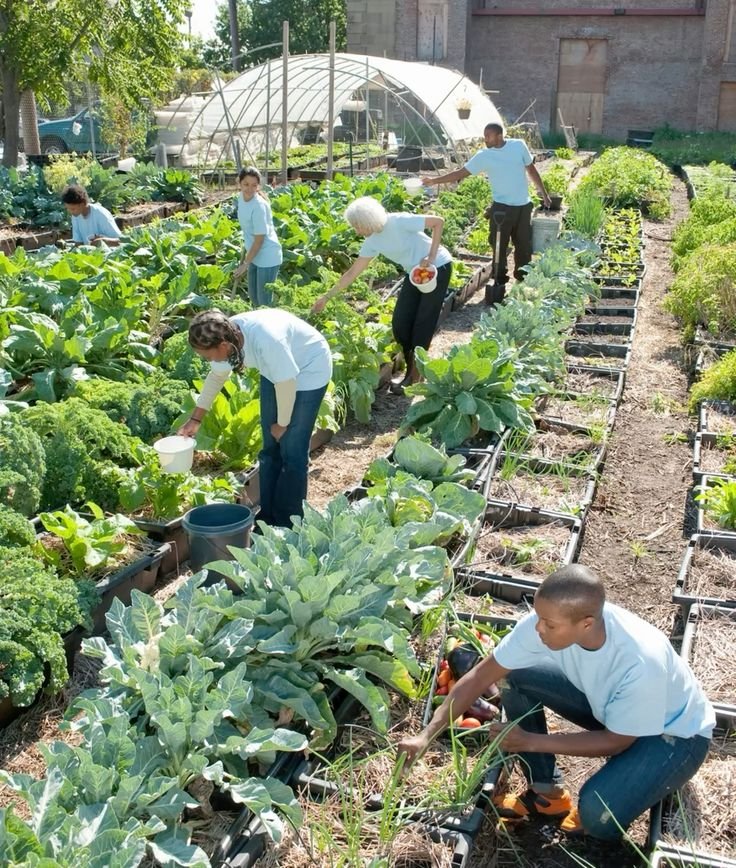
- Community Gardens: Shared plots managed by local residents for growing vegetables, fruits, and flowers
- Rooftop Gardens: Utilizing rooftops for planting to maximize space and reduce urban heat
- Container Gardening: Growing plants in pots, boxes, or recycled containers on balconies or patios
- Vertical Gardens: Using walls or vertical structures to grow plants in limited space
- Hydroponic and Aquaponic Systems: Soil-free systems that use nutrient-rich water to grow plants efficiently
Each type of urban gardening allows city dwellers to grow food and greenery, regardless of space limitations.
Environmental Benefits
Urban gardening has multiple environmental advantages that contribute to eco-living:
- Reduces Carbon Footprint: Growing food locally reduces transportation emissions associated with delivering produce
- Improves Air Quality: Plants absorb carbon dioxide and release oxygen, improving urban air quality
- Manages Stormwater: Gardens can absorb rainwater, reducing flooding and water runoff
- Promotes Biodiversity: Flowers and plants attract pollinators such as bees and butterflies, supporting urban ecosystems
- Reduces Waste: Composting organic waste for garden soil reduces landfill contribution and creates natural fertilizer
By incorporating greenery into cities, urban gardens make urban environments healthier and more sustainable.
Social and Community Benefits
Urban gardening brings people together and strengthens communities through shared goals and collaborative activities. Social benefits include:
- Community Engagement: Residents work together to plant, maintain, and harvest gardens
- Educational Opportunities: Schools and local programs teach children and adults about sustainable agriculture and nutrition
- Food Security: Urban gardens provide affordable access to fresh, nutritious produce
- Mental Health: Gardening reduces stress, promotes relaxation, and encourages outdoor activity
- Cultural Exchange: Community gardens often reflect the diverse cultural practices of the neighborhood, with shared knowledge about different crops and cooking methods
These benefits create stronger, more connected urban communities.
Economic Advantages
Urban gardens can also provide financial benefits for individuals and neighborhoods:
- Savings on Groceries: Growing your own fruits and vegetables reduces household food expenses
- Local Job Opportunities: Some urban gardens employ gardeners or coordinators, creating employment
- Boosting Property Values: Green spaces increase neighborhood attractiveness and can raise property values
- Supporting Local Markets: Excess produce can be sold or donated to local markets and food banks, promoting circular economy practices
These advantages show that urban gardening is not only environmentally and socially beneficial but also economically valuable.
Practical Tips for Starting an Urban Garden
Starting an urban garden may seem challenging, but simple steps can make it manageable:
- Assess Available Space: Identify rooftops, balconies, community plots, or vacant lots
- Choose Suitable Plants: Select crops appropriate for local climate and available sunlight
- Use Containers or Raised Beds: Maximize space and improve soil quality for healthy growth
- Compost Organic Waste: Recycle kitchen scraps to create nutrient-rich soil
- Engage the Community: Collaborate with neighbors, schools, or local organizations for support
These tips help beginners establish productive and sustainable urban gardens.
Overcoming Challenges
Urban gardening faces challenges such as limited space, pollution, or lack of knowledge. Solutions include:
- Vertical and container gardening to address space constraints
- Regular soil testing and organic fertilizers to mitigate contamination
- Workshops and community training to educate residents about gardening techniques
- Partnerships with local authorities to secure land and resources
By addressing these challenges, urban gardening can thrive even in densely populated cities.
Conclusion
Urban gardening is a practical and impactful approach to eco-living. By creating green spaces in cities, residents can grow fresh food, improve the environment, and strengthen community ties. The benefits extend beyond individual gardens to include environmental protection, social cohesion, and economic savings. Whether on a rooftop, in a community plot, or in containers on a balcony, urban gardening provides city dwellers with the opportunity to reconnect with nature, adopt sustainable practices, and contribute to the well-being of their communities. As cities continue to expand, urban gardens will play a crucial role in promoting healthier lifestyles, reducing environmental impact, and creating resilient communities. Every plant grown in an urban space is a step toward a greener, more sustainable, and more connected world.